






The Unseen Structural Engineers of Fashion
In the ecosystem of a fashion house, the designer is the visionary, the one who dreams up the concept, color, and mood. They create the sketch, a beautiful but flat representation of an idea. The pattern cutter is the engineer who makes that vision physically
possible. They are responsible for translating a two-dimensional drawing into a three-dimensional, wearable garment that fits a specific human body. Think of them as the bridge between imagination and reality. While the designer asks, "What should this look like?", the pattern cutter asks, "How do we build this?" They create the intricate paper or digital templates that guide every cut and stitch, ensuring the final product not only matches the sketch but also functions as clothing. It’s a highly technical role that demands precision, creativity, and a deep understanding of the human form.
From Sketch to Blueprint
The process begins when a designer hands over a sketch. The pattern cutter's first job is to interpret this drawing and figure out how to construct it. There are two primary methods they might use: flat pattern drafting or draping. Flat drafting is like architectural drawing; the cutter uses precise measurements to draft the pattern pieces on paper or with CAD software. This method is perfect for structured, tailored garments. For more fluid, complex, or asymmetrical gowns—the kind that often steal the show at the Emmys—pattern cutters turn to draping. Also known as moulage, this technique involves sculpting fabric, usually an inexpensive muslin, directly onto a dress form. By pinning, folding, and manipulating the cloth, they can find the exact lines and shapes of the design in 3D, creating a one-of-a-kind template for a truly couture piece.
A Masterclass in Materials
A pattern cutter must be a master of materials, because the choice of fabric dictates everything. A design that works in heavy duchess satin will completely fail in delicate chiffon, and vice versa. The cutter’s patterns must account for the weight, stretch, and drape of the chosen textile. They understand that a bias cut will make fabric cling and flow, while a straight grain provides stability. For red carpet gowns, which often feature unforgiving materials like silk, organza, or fabrics with intricate beadwork, this knowledge is critical. Before cutting into thousands of dollars' worth of final fabric, a prototype called a toile (or muslin) is created. This sample garment allows the cutter, designer, and celebrity stylist to assess the fit and make adjustments, perfecting the pattern until every seam and dart is flawless.
Solving an Impossible Puzzle
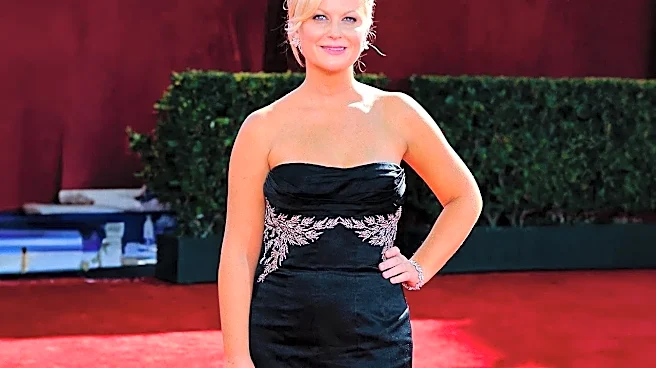
Many of the most memorable Emmys gowns seem to defy gravity with their sculptural shapes and daring silhouettes. This is where the pattern cutter truly shines as a problem-solver. Their work isn't just about cutting shapes; it's about building the hidden architecture that makes the impossible possible. This can involve engineering an internal corselette with boning to provide structure and support for a strapless gown, ensuring it stays perfectly in place through hours of wear. They might have to figure out how to balance a dramatic bustle, create volume without bulk, or ensure a seemingly delicate strap can support the weight of an embellished skirt. Every element, from the placement of a dart to the curve of a seam, is a deliberate decision designed to flatter the wearer's body and bring the designer's fantasy to life. It's a quiet, meticulous process that takes months of work, but the spectacular result is a gown that looks effortlessly perfect on television's biggest night.