







The Peacocking Paradise
Before we talk about ankles, we have to talk about Pitti Uomo. Officially, it’s a biannual menswear trade show in Florence, Italy, where brands and buyers connect. Unofficially, it’s the Super Bowl of street style. For a few days every January and June,
the plaza outside the Fortezza da Basso transforms into a live-action runway. Photographers swarm, and attendees—dubbed “Pitti Peacocks”—show off their most creative, daring, and impeccably tailored outfits. It’s a laboratory where future trends are born and old ones are put to the test. What happens at Pitti doesn’t stay at Pitti; it trickles down to department stores, Instagram feeds, and eventually, the way mainstream American men think about dressing.
The Rise of the 'Sprezzatura' Ankle
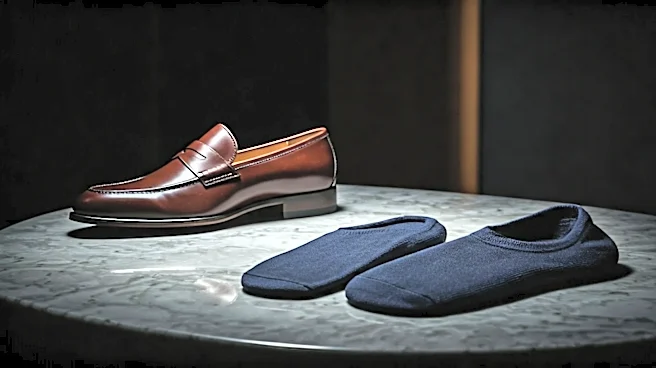
In the late 2000s and early 2010s, as menswear blogs and Instagram began to explode, a specific look dominated the Pitti scene: the bare ankle. Men paired sharply tailored suits and sport coats with sockless loafers. It was a visual shorthand for a certain kind of Italian cool known as *sprezzatura*—a studied carelessness, the art of making something difficult look effortless. The sockless look was a deliberate break from the stuffy, corporate uniform of Wall Street. It signaled a new, more relaxed approach to tailoring. It was youthful, a little rebellious, and perfect for a Mediterranean climate. For a decade, the no-show sock became a default accessory for any man wanting to appear stylishly in-the-know, from a summer wedding in the Hamptons to a casual Friday at a tech startup.
The Classicist Counter-Revolution
But in fashion, every trend invites a backlash. As the bare ankle went from a niche style statement to a global default, a counter-movement began to brew among menswear purists. For them, going sockless wasn’t effortless cool; it was a sloppy, uncomfortable, and ultimately disrespectful gesture toward the craft of tailoring. They argued that a good suit or a fine leather shoe deserved the companionship of a quality sock. Socks, they contended, are functional—they protect your shoes from sweat and your feet from blisters. More importantly, they are a crucial aesthetic element, providing a smooth transition from trouser to shoe and offering an opportunity for a subtle pop of color or pattern. A well-chosen sock doesn't just complete an outfit; it demonstrates an appreciation for the rules and traditions of dressing well. The return of the over-the-calf sock became a quiet act of defiance.
More Than Just a Fashion Choice
This is why the debate matters. It’s not really about socks versus no socks. It's a proxy war over the very definition of “classic menswear” in the 21st century. The bare ankle represents a modern, internet-fueled, and slightly more democratized vision of style. It’s about personal expression, bending the rules, and prioritizing a certain aesthetic—even at the expense of traditional function. It’s a style born from images, easily replicated, and perfect for social media.
The sock, on the other hand, represents the old guard. It stands for tradition, structure, and a belief that there are established “right” ways to do things. It champions a slower, more considered approach to dressing, one rooted in history and craftsmanship rather than fleeting trends. When you see a man in a perfectly draped suit with elegantly patterned socks, you’re not just seeing an outfit; you’re seeing a philosophical stance. He is siding with permanence over popularity, with the established canon over the flavor of the month.