


Myth: It’s a Miracle Cure for Baldness
Scroll through social media and you’ll see dramatic claims positioning rosemary oil as a magic elixir that can reverse any type of hair loss, practically overnight. Influencers point to bottles of the essential oil as the singular reason for their newfound
volume and length. The narrative is simple and seductive: if you’re losing hair, this cheap, natural product is the answer. This portrayal suggests a level of potency that can cure advanced hair loss and restore a full head of hair with just a few applications, a promise that understandably captures the attention of millions.
Reality: It’s a Promising, Slow-Working Alternative for Some Hair Loss
The truth is rooted in a well-known, but often misinterpreted, 2015 scientific study. In that trial, 100 people with androgenetic alopecia (male or female pattern baldness) were treated with either rosemary oil or minoxidil 2%, the active ingredient in Rogaine. After six months, both groups saw a similar, significant increase in hair count. The key takeaways are often ignored in the social media hype: it took a full six months to see results, and it was only tested on one specific type of genetic hair loss. Furthermore, the rosemary oil group reported less scalp itching than the minoxidil group, making it a gentler alternative for some, but not a miracle cure. The science is promising, but it's not the instant fix it's often made out to be.
Myth: Pure Oil, Applied Often, Works Best
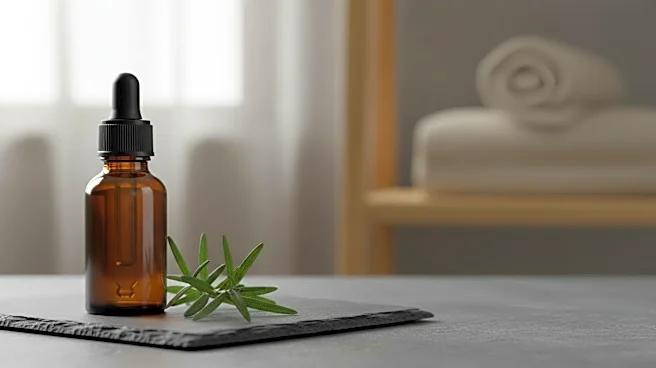
A common mistake driven by the “more is more” mindset is applying concentrated rosemary essential oil directly to the scalp, and doing so frequently. The assumption is that a more potent application will lead to faster, more dramatic results. Some online tutorials even show users dripping undiluted oil across their part line. This approach not only wastes the product but also ignores the basic safety protocols for using highly concentrated essential oils, treating it more like a gentle conditioner than the powerful plant extract it is.
Reality: Dilution and Consistency Are Non-Negotiable
Dermatologists warn that applying undiluted rosemary oil directly to the scalp can cause significant irritation, redness, inflammation, and even allergic reactions like contact dermatitis. In some cases, this irritation can actually worsen hair shedding. The proper method is to dilute a few drops of rosemary oil into a carrier oil, such as jojoba or coconut oil, before massaging it into the scalp. A patch test on a small area of skin is recommended before full application. The 2015 study that showed positive results required consistent, long-term use. The takeaway is that gentle, patient, and regular application is the only way it might work; dousing your scalp in pure oil is more likely to cause harm than good.
Myth: It Works for Any Kind of Thinning Hair
The blanket recommendation of rosemary oil for all hair woes is a significant misreading of its potential benefits. Many people experiencing hair thinning from stress (telogen effluvium), nutritional deficiencies, or autoimmune conditions reach for the oil hoping it will solve their problem. The viral trend rarely distinguishes between different causes of hair loss, presenting rosemary oil as a one-size-fits-all solution.
Reality: Its Proven Benefit Is Specific
The primary evidence for rosemary oil's effectiveness is for androgenetic alopecia, which is hair loss driven by hormones and genetics. Its proposed mechanism involves improving circulation to the scalp and potentially having anti-inflammatory and antioxidant effects. While improved circulation can create a healthier scalp environment for hair growth in general, there is little to no strong evidence that it can reverse hair loss from other underlying medical or environmental causes. For those issues, addressing the root cause—be it stress management, dietary changes, or medical treatment for a health condition—is far more critical.