




The Universal Appeal of the Open Neckline
There’s a reason the off-the-shoulder silhouette has endured for decades, from Brigitte Bardot in the ‘50s to modern style icons. It’s universally flattering, drawing attention to the collarbone and shoulders in a way that feels elegant and subtly alluring
without being overly revealing. It’s the perfect blend of casual ease and intentional style. But as you browse online, you'll find a massive price spectrum. A fast-fashion version might cost less than a cocktail, while a designer piece from a brand like Khaite or Zimmermann can command a price well into the hundreds. The question is, are you just paying for a label, or are there tangible differences in quality that justify the investment?
The Mid-Range Contender: Accessible and On-Trend
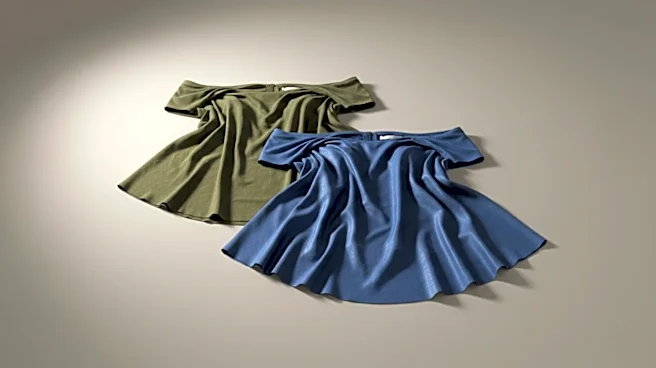
Your typical mid-range off-the-shoulder top, from brands like J.Crew or Madewell, is designed for accessibility and trend-responsiveness. The focus is on delivering a current style at a price point that doesn’t feel like a major commitment. Fabrics are often practical and easy to care for, like cotton/elastane blends, matte jerseys made from viscose, or lightweight linen mixes. These materials are chosen for their cost-effectiveness and ability to create a streamlined, comfortable fit. Construction is clean and efficient, usually featuring a simple elasticated band at the neckline to hold the top in place and machine-stitched seams. While perfectly serviceable and stylish for a season or two, these tops aren't necessarily built to be heirlooms. The elastic may lose its tension over time, and the fabrics might show wear more quickly with repeated washing.
The Premium Proposition: An Investment in Craft
When you step into the premium or luxury category, the philosophy shifts from trendy to timeless. Designers like Khaite build their off-the-shoulder tops not just as garments, but as sculpted pieces. The focus is on material excellence and superior construction. Fabrics are far more considered, such as finely ribbed knits with a high percentage of viscose for drape and fit, luxurious wool blends, or crisp, structured silk organza. These textiles are chosen for their specific properties: how they hold their shape, how they feel against the skin, and how they drape across the body. Construction is where the price difference becomes most apparent. Instead of a simple elastic band, you might find an intricately engineered neckline designed to arch perfectly across the décolletage, or internal structuring that ensures the top stays put without pinching or slipping. Seams are meticulously finished, and the overall garment has a weight and presence that mass-market pieces lack.
Head-to-Head: Fabric & Feel
Here's the most immediate difference: touch. A mid-range cotton top will feel pleasant and breathable. A premium top made of high-grade cotton poplin, however, will feel crisper, smoother, and more substantial. The same goes for knits. A standard viscose/poly blend is soft, but a luxury ribbed-knit from a brand like Khaite often uses a specific blend (like 83% viscose, 17% polyester) to create a unique combination of stretch, structure, and a smooth, body-skimming fit that doesn't cling. Premium brands invest heavily in sourcing rare and high-quality fibers like cashmere, fine silks, and superior wools that offer better longevity, feel, and performance. You’re paying for the raw material's quality and rarity.
Head-to-Head: Fit & Construction
Fit is the other quiet giveaway of a luxury garment. In a mid-range top, the goal is a good-enough fit for a wide range of body types, often achieved with generous stretch. In a premium top, the fit is an integral part of the design. The 'Maria' sweater from Khaite, for example, is famous for its sculpted neckline that sits just so, a feat of pattern-making and textile engineering, not just elastic. This level of precision prevents the constant, annoying need to readjust the neckline. The seams, the way the hem is finished, and the quality of any smocking or ruching are all elevated. These details ensure the garment not only looks better but also holds its intended shape for years, resisting the warping and stretching that can plague lower-quality items.