
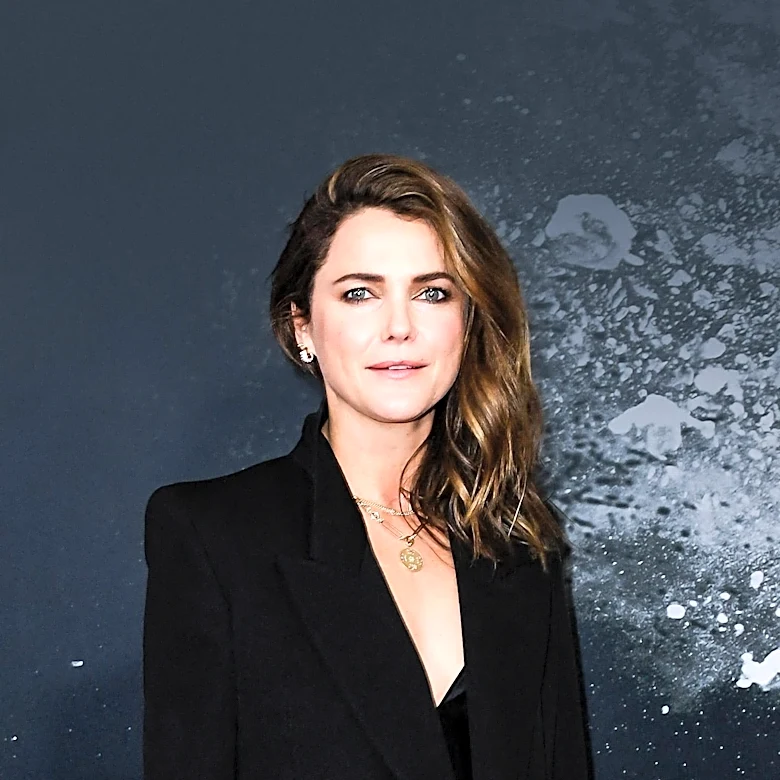

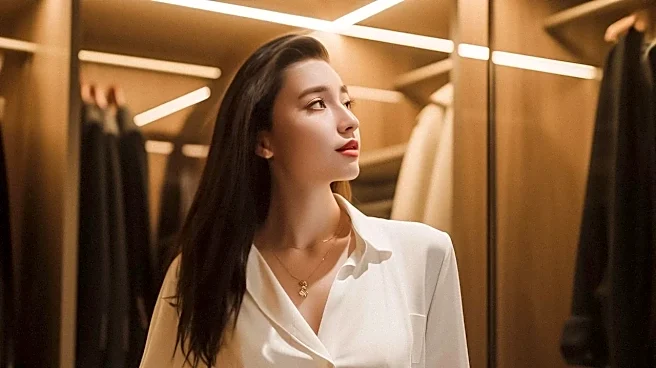
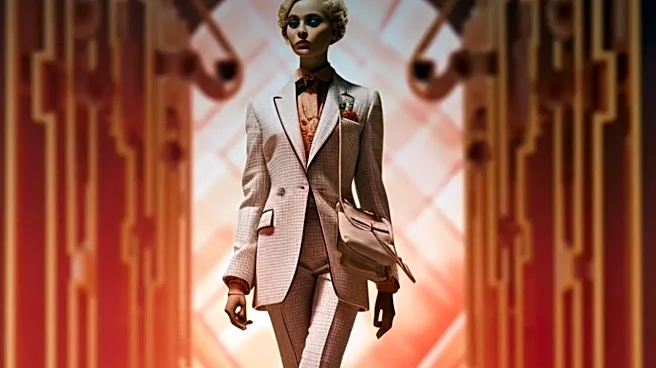
That moment before you post an outfit picture—the quick zoom, the brightness adjustment—has become a new, final step in getting dressed. Fashion literacy is no longer just about fit and fabric; it's about how your clothes look on a phone.
The Screen Is the New Mirror
Before you even
step out the door, there's a good chance you—or a friend—have already documented your outfit. For millions, personal style is a story told through a grid of images on platforms like Instagram and TikTok. This isn't just about vanity; it’s about participation in a visual culture where clothing is a primary form of self-expression. The smartphone camera has become an essential tool, transforming the private act of choosing an outfit into a public performance. This shift means the mirror's reflection is no longer the final word. The ultimate test is how a look translates through a lens and onto a six-inch screen, where it will be liked, shared, and saved. As a result, we've developed an entirely new set of criteria for what makes an outfit 'good,' prioritizing its digital appeal as much as its real-world comfort or function.
What Makes an Outfit 'Photogenic'?
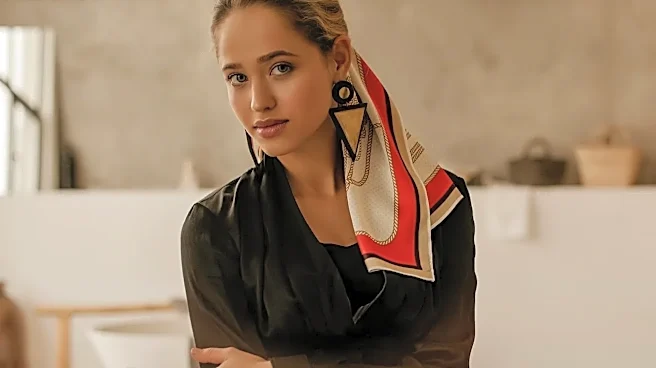
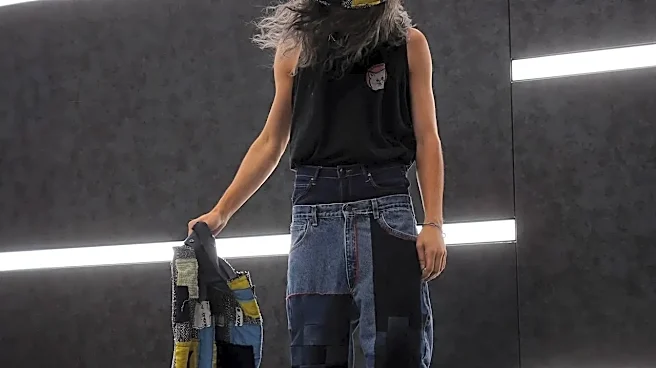
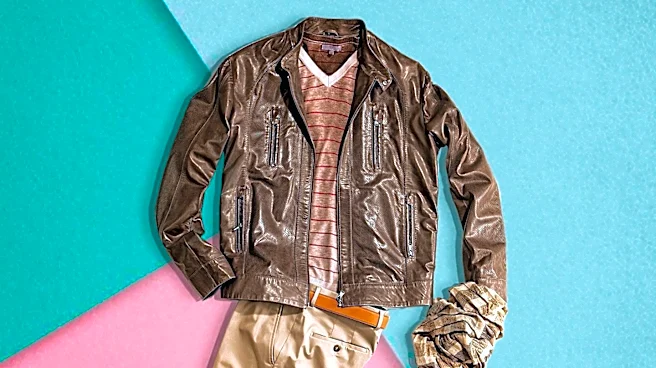
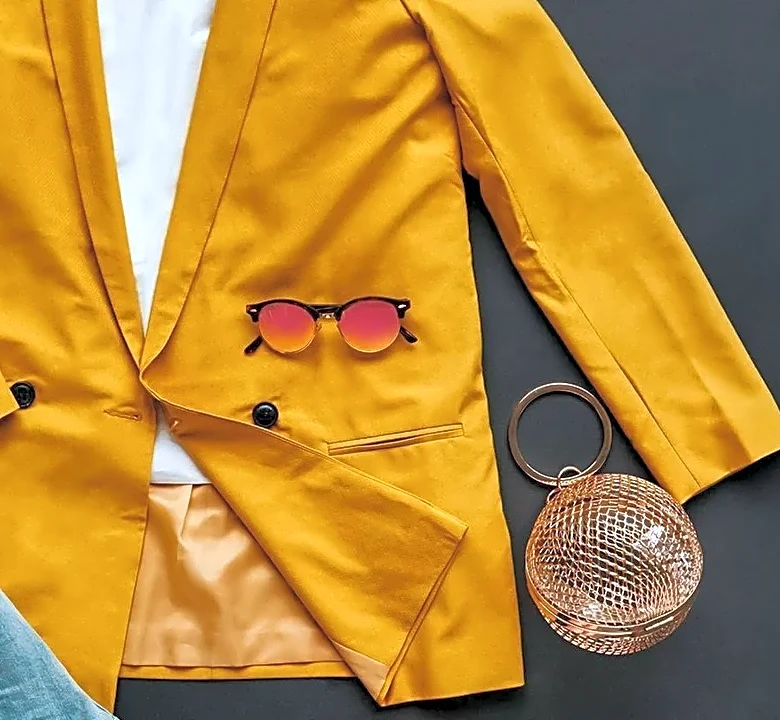
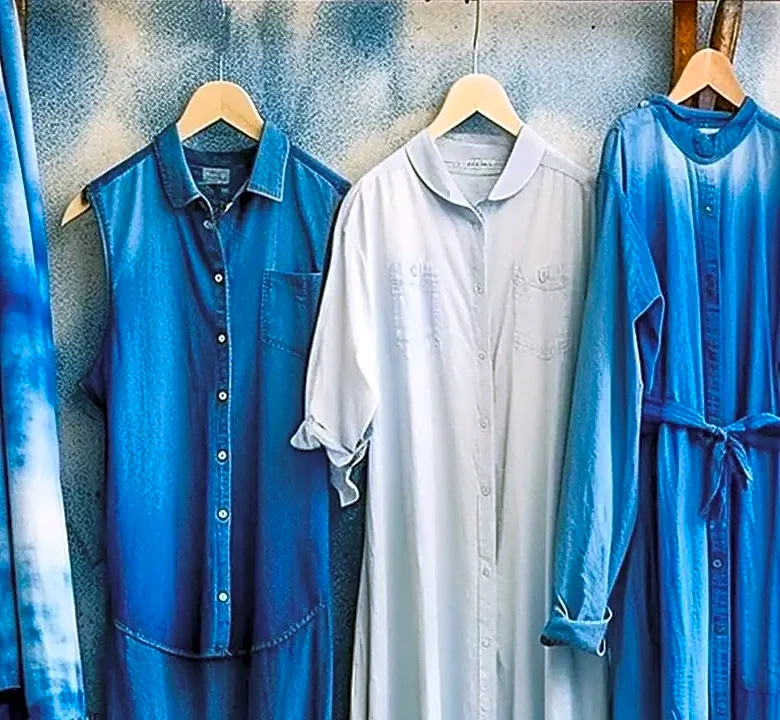
Not all clothes are created equal in the eyes of a camera. Garments that pop on screen often share specific qualities. Bold, vibrant colors and strong color-blocking stand out in a crowded feed, a phenomenon related to 'dopamine dressing'—the idea that wearing bright, joyful clothes can boost your mood. Texture is another key element; fabrics with interesting weaves, sheens, or embellishments add depth and dimension that prevent a photo from looking flat. Silhouettes that are slightly exaggerated—think wide-leg pants, puff sleeves, or oversized blazers—also maintain their shape and impact in a two-dimensional image. In contrast, subtle patterns, delicate details, or overly complex layered looks can become muddled and lost in a quick scroll. The goal is visual clarity and immediate impact, something that reads well in the few seconds you have to capture someone's attention online.
How Brands Are Designing for the Grid
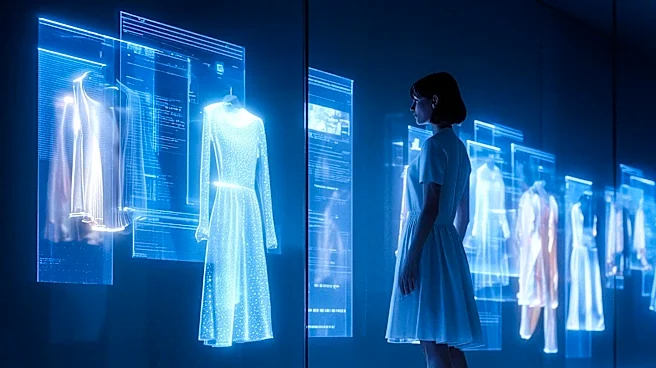
The fashion industry has been quick to adapt to this new reality. Designers and brands are increasingly creating 'Instagrammable' pieces intentionally designed to be photogenic. This can mean focusing on a single, highly shareable statement item per collection, like a uniquely shaped handbag or a brightly colored coat. The entire marketing ecosystem has been rewired, with brands prioritizing content that showcases how clothes look, fit, and move in real life through Reels and user-generated content. Some brands now build their entire aesthetic around a consistent visual identity that's optimized for a social media grid, using specific color palettes and photo styles. This digital-first approach acknowledges that for many shoppers, the first encounter with a garment isn't in a store, but on their phone. The photo isn't just a record of the clothing; it's the primary advertisement.
Dressing the Digital Self
This evolution raises interesting questions about authenticity and personal style. Are we dressing for ourselves, or for our online audience? The pressure to present a polished, curated self can lead to a sense of 'self-objectification,' where we constantly see ourselves from an outside perspective. This can sometimes create a disconnect between an outfit that feels good to wear and one that simply photographs well. However, this digital testing ground also offers a new avenue for creative experimentation. People can try out different aesthetics online, finding confidence in a new style before wearing it in their daily lives. The process of taking and sharing photos can become a way to better understand what makes you feel confident and seen, turning the act of getting dressed into a more conscious and deliberate form of self expression.