



The September Gauntlet
The fall television season is the industry's equivalent of the Super Bowl and Black Friday rolled into one. With broadcast networks, cable channels, and streaming services all debuting their biggest and best new shows, the competition for viewers is ferocious.
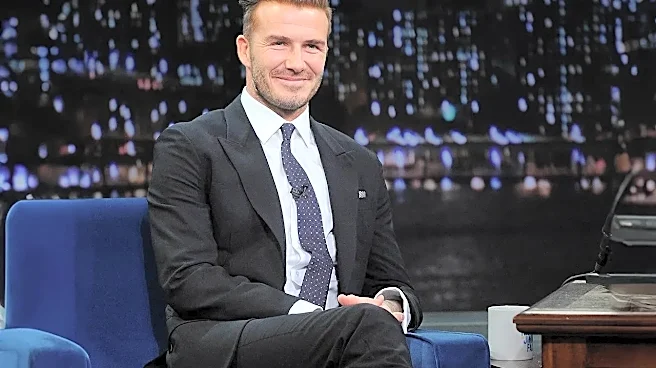
Breaking a new series out of the pack requires a marketing blitz, and the late-night talk show circuit is a critical battleground. These shows don't just fill airtime; they serve as powerful promotional platforms for their parent companies' shiniest new assets. Think of it as a necessary first step. Before an audience will commit to a 10-hour season of a new show, they often need a reason to care about the people in it. A charming talk show appearance is the perfect introduction.
The Art of the Matchup
Not all late-night couches are created equal. The decision of which star appears on which show is a strategic game of demographic matchmaking. A star from a new, edgy HBO drama like 'War' or Netflix's literary adaptation 'East of Eden' might be booked on 'Late Night with Seth Meyers,' known for its more nuanced, culturally savvy interviews. Meanwhile, an actor leading a broad-appeal comedy might find a better fit with the game-centric, viral-moment-making machine of 'The Tonight Show Starring Jimmy Fallon'. The goal is to place the talent in an environment where they can best connect with an audience that is most likely to be interested in their new project. It's about finding the host and the format that will make the actor—and by extension, their show—shine brightest.
More Than Just an Interview
The days of a simple, dry Q&A are long gone. A successful late-night appearance is a performance in itself, meticulously planned to make a star appear relatable, funny, and utterly charming. Producers work with the guest's team in advance to map out conversational beats and pre-select engaging anecdotes. The goal isn't just to plug the show; it's to sell the persona. Did you see that hilarious story Jamie Foxx told on Kimmel, or the surprisingly fun game Cara Delevingne played on Fallon? Those moments are designed to be shareable. They transform an actor from a face on a poster into a personality you'd want to hang out with—and whose new show you're suddenly more likely to check out.
The Viral Afterlife
In today's media landscape, the interview's biggest impact may not even happen during its live broadcast. The real prize is the 'viral clip'—a three-to-five-minute segment that gets uploaded to YouTube, X (formerly Twitter), and TikTok the next morning. While a few million people might watch the show live, a perfectly crafted, funny, or heartfelt clip can rack up tens of millions of views in the days that follow. This extends the promotional value far beyond the traditional TV audience, reaching potential viewers who don't even watch late-night television. Networks now see these shows not just as linear programs but as content engines, creating a constant stream of shareable marketing materials that keep their new shows in the cultural conversation long after the credits have rolled.