




Every family has its own brand of holiday chaos. That mix of love, resentment, and turkey-fueled tension is an annual tradition. One film captures this feeling better than any other: Jodie Foster's 1995 masterpiece, 'Home for the Holidays'.
A Symphony of Overlapping Chaos
Most movie
dialogue is a clean, orderly exchange. Character A speaks, then Character B responds. Real families don't work that way. Jodie Foster’s direction and W.D. Richter’s screenplay understand this in their bones. The Larson family gathering isn't a series of conversations; it's a cacophony. People interrupt, talk over each other, and carry on three different arguments at once. The matriarch Adele (Anne Bancroft) offers commentary from the kitchen while her husband Henry (Charles Durning) tries to tell a story, and jejich uptight daughter Joanne (Cynthia Stevenson) issues critiques from the dining room. This verbal pile-up is the film’s secret weapon. It’s not just noise; it’s the sound of intimacy, history, and unresolved tension all bubbling up at once. It feels authentic because it mirrors the sensory overload of walking into a house filled with people who know you too well.
Performances That Feel Uncomfortably Lived-In
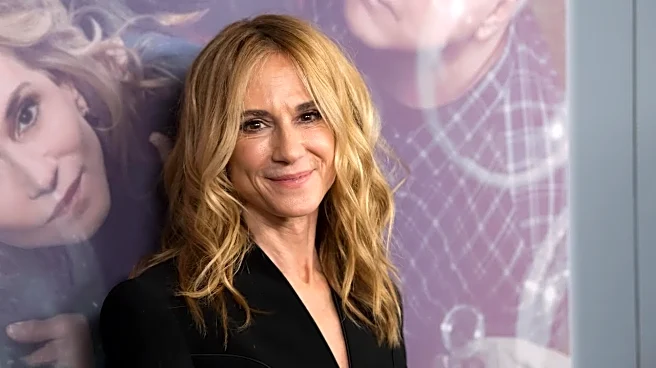
An ensemble cast this gifted could easily descend into a competition of big performances, but 'Home for the Holidays' succeeds because of its chemistry. Holly Hunter stars as Claudia, the film's weary, relatable center. Having just lost her job and learned her teenage daughter (Claire Danes) plans to lose her virginity, she arrives home sick, exhausted, and desperately needing an ally. She finds one in her gay brother, Tommy, played with manic, heartbreaking energy by Robert Downey Jr., who was encouraged to improvise. Their bond feels like the genuine, messy alliance of siblings who have weathered decades of family insanity together. Surrounding them are characters that feel less like archetypes and more like people you’ve actually met: the quietly judgmental sister, the eccentric aunt, and the parents who love you dearly but can still treat you like a child. There’s a shorthand between the actors that sells the family's long, complicated history.
Direction That Finds Love in the Madness
In the hands of another director, the Larsons’ Thanksgiving could have been a mean-spirited affair, mocking its characters for their flaws. But Jodie Foster directs with a profound sense of empathy. The camera often feels like another family member, moving through the cluttered, mail-order-catalog-filled house and capturing small, intimate moments amidst the broader chaos. The film finds the humor not in punchlines, but in painful recognition. It’s funny because it hurts, and it hurts because it’s true. A turkey sliding onto a lap is a moment of slapstick, but the real comedy comes from the simmering resentments that boil over, like when Joanne reveals Tommy’s secret marriage during the argument. Foster never judges her characters; instead, she observes them with a warmth that acknowledges their dysfunction is inextricably linked to their love for one another.
The Bittersweet Truth of Going Home
More than just a holiday movie, 'Home for the Holidays' is about the strange, time-warping experience of returning to your childhood home as an adult. You arrive as a person with your own life, but one offhand comment can instantly revert you to your teenage self. The film captures the dual desires to be comforted by family and to escape them entirely. Claudia feels both alienated from her family and panicked to be out of the loop. This paradox is what makes the film endure. It acknowledges that family isn't about perfection. It’s about the people who can drive you crazier than anyone else, but who are also, for better or worse, your constant. The final montage of quiet, unrecorded moments—a dance between parents, a shared look—reinforces the film's ultimate point: the most important memories aren't the ones captured on camera, but the small, imperfect moments of connection.