




A Monument to Conquest
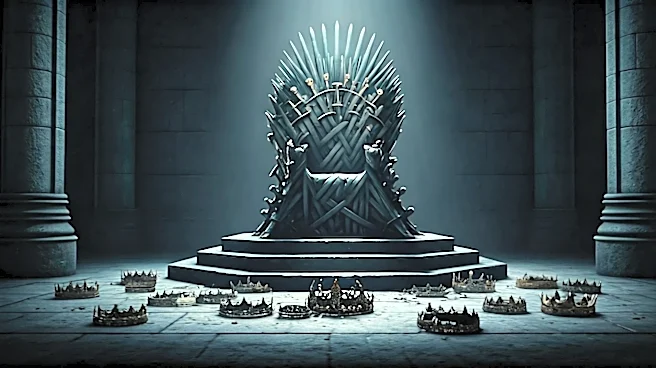
The story of the Iron Throne begins with an act of total domination. Three hundred years before the events of *Game of Thrones*, Aegon Targaryen and his two sister-wives, Visenya and Rhaenys, arrived in Westeros from Dragonstone with three dragons. Over
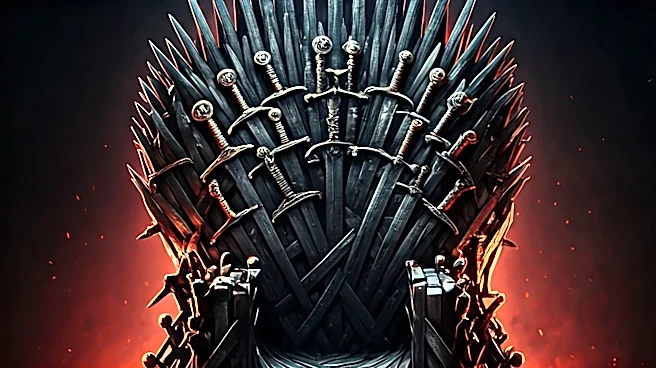
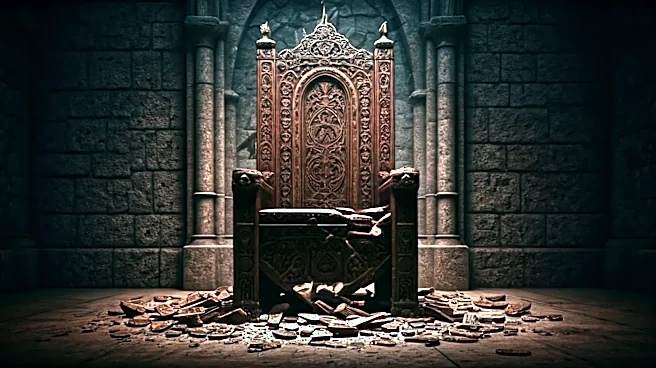
the course of a brutal, two-year war known as the Conquest, they systematically subjugated six of the seven independent kingdoms. To create a symbol of his new, unified realm, Aegon I gathered the swords of his vanquished foes. According to legend, a thousand blades were heated in the fiery breath of his great dragon, Balerion the Black Dread, and hammered into the shape of a throne by smiths. It was a visceral display of power: the weapons that once defended the old kingdoms were now fused into the seat of the new one, a constant reminder to every lord in Westeros of who was in charge and how they got there.
“A King Should Never Sit Easy”
But Aegon’s goal wasn't just intimidation. He was a conqueror, but he was also a shrewd nation-builder who understood the corrupting nature of power. The throne's most dangerous design choice—its sharp, uncomfortable, and perilous construction—was entirely intentional. It was built on a core philosophical principle. As the lore states, Aegon I decreed that a king should never sit easy. He wanted the throne to be a constant, physical reminder of the duties and dangers of leadership. Ruling is not a comfortable reward; it’s a sharp, precarious burden. Every time a monarch sat down, they would feel the cold, unforgiving steel. A moment of carelessness or weakness could result in a cut, a physical manifestation of a political misstep. The throne was designed to be a teacher, and its lessons were written in pain.
Martin’s Monstrosity vs. HBO’s Chair
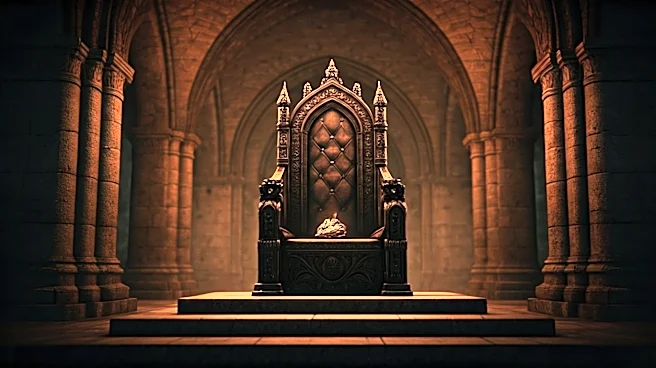
While the throne in HBO's *Game of Thrones* is iconic, it's a dramatically scaled-down version of the one George R.R. Martin imagined. In the *A Song of Ice and Fire* novels, the Iron Throne is a gargantuan, asymmetrical beast. It’s a twisted, hulking monstrosity that looms over the Great Hall, so tall that the king has to climb a flight of stairs to reach the seat. It’s described as a snarling tangle of blades, barbs, and sharp metal edges. Martin has famously said the show's version isn't quite right, though he understands the practical limitations of building his monstrous vision for a TV set. The show needed a functional prop, not a two-story deathtrap. However, the prequel series *House of the Dragon* moved closer to the book's concept, presenting a larger, more menacing throne surrounded by a perimeter of upturned swords, reinforcing its inherent danger in a way its predecessor did not.
A Prophecy Written in Scars
Throughout Westerosi history, the throne has been a character in its own right, passing judgment on those who sit upon it. It is said that the throne “rejects” unworthy or weak rulers, and the proof is in their scars. King Aerys II, better known as the Mad King, was so frequently cut by the throne that he was nicknamed “King Scab.” His paranoia and cruelty were mirrored by the constant wounds he received from the very seat of his power. This theme is even more central in *House of the Dragon*. King Viserys I, a good man but an indecisive and conflict-averse ruler, is constantly nicked and cut by the throne. These small wounds fester and refuse to heal, symbolizing the rot growing within his family and his kingdom. A cut on his finger eventually leads to an infection that costs him two fingers, a grim foreshadowing of how his inability to make hard choices will tear the realm apart. The throne’s dangerous design isn't just a background detail; it's an active narrative device that makes the political decay brutally physical.