



1. Conduct a 'Closet Audit'
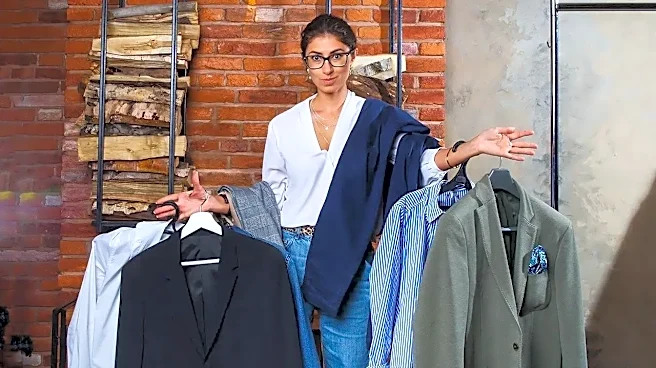
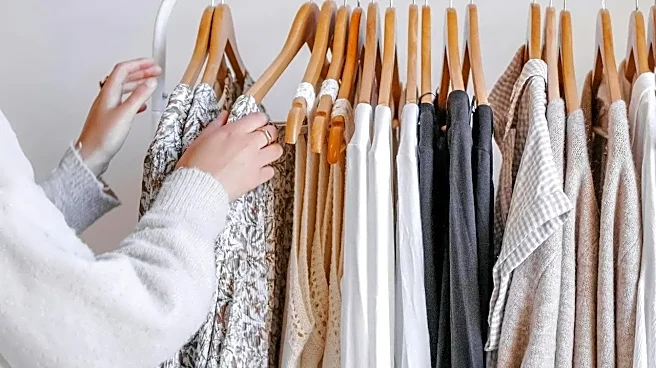
Before you can build new outfits, you need a clear picture of your inventory. Set aside some time to pull every piece of clothing out of your closet and drawers. The goal isn't a massive purge but to gain visibility. Create four piles: 'Keep' (you love
it, it fits), 'Tailor' (it would be great with a small adjustment), 'Maybe' (you're undecided), and 'Exit' (it no longer fits your body or lifestyle). By seeing everything you own in one place, you can start to identify forgotten gems and understand what you're working with. This process moves you from a state of overwhelm to one of organized potential.
2. Investigate the 'Why'
For each item in your 'Maybe' pile—and even for the 'Keep' items you rarely grab—ask yourself one simple question: 'Why don't I wear this?' The answer is often revealing. Does it not fit quite right? Is the fabric uncomfortable? Do you feel it's 'too fancy' for everyday life? Or, most commonly, do you simply not know what to pair it with? Understanding the core problem is the first step toward a solution. If an item is uncomfortable or makes you feel bad, it might be time to let it go. But if it's a styling issue, that’s a problem you can solve.
3. Challenge Yourself with the 'Rule of Three'
One of the most effective ways to break out of a style rut is to give yourself a small, achievable challenge. Pick one item you rarely wear—a bold jacket, a patterned skirt, a pair of statement trousers—and task yourself with creating three distinct outfits around it using only pieces you already own. The first outfit might be your usual pairing. For the second, change the shoes and add a different layer. For the third, try tucking it in, belting it, or pairing it with a completely unexpected color. Document each successful combination with a quick phone photo. This exercise forces creativity and proves that a single piece can be far more versatile than you imagined.
4. Master the 'Third Piece' Rule
Often, an outfit feels incomplete because it's just two pieces: a top and a bottom. Stylists know that the secret to a polished, intentional look is adding a 'third piece'. This is your opportunity to bring those underused items into play. Think of your top as piece one and your pants or skirt as piece two. The third piece is that finishing layer that adds depth and personality. It could be a blazer, a cardigan, a vest, a statement scarf, or even a bold necklace. That silk blouse you save for special occasions? Try it under a denim jacket. That structured blazer from an old job? Throw it over a simple t-shirt and jeans. This simple rule instantly elevates a look from just 'getting dressed' to 'styling an outfit'.
5. 'Shop' Your Closet for Gaps
As you experiment, you might find that you can't wear a specific top because you lack the right layering piece, or a skirt sits unworn because you don't have the right shoes. Instead of aimlessly shopping for new things, use this information to create a highly specific shopping list. Maybe you realize a simple, high-quality white t-shirt would unlock three different bottoms, or a neutral belt could make five dresses more wearable. This targeted approach ensures that any new purchases are strategic investments designed to maximize the clothes you already own. You're no longer buying random items; you're buying the missing keys to a more functional and creative wardrobe.
6. Rethink Your Organization
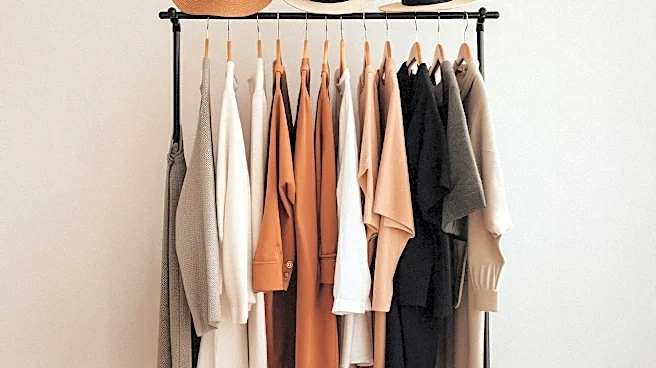
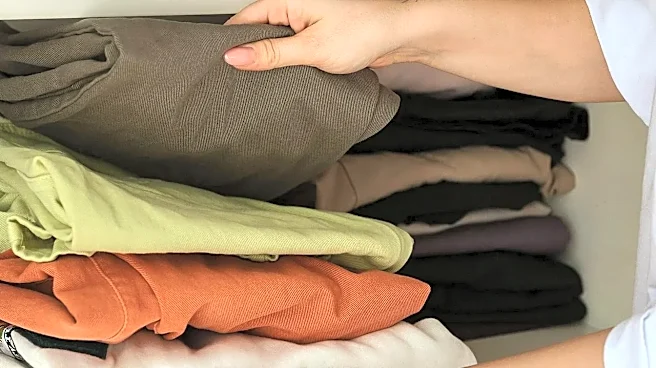
If your favorite items are always front and center, you'll always grab them out of habit. Break the cycle with a few organizational tricks. When you put clean laundry away, hang those items at the back of their section, forcing older, unworn pieces to the front. You can also create a dedicated section in your closet for a 'wear next' challenge, moving a few neglected pieces there each week as a visual reminder. The simple act of changing an item's physical location can be enough to jog your memory and inspire you to finally wear it. It's about making creativity easier than defaulting to the same old combinations.