




Richie Jerimovich: From Grunge to Gucci
In the early seasons of 'The Bear,' Richie (Ebon Moss-Bachrach) was a man stuck in the past, and his wardrobe screamed it. Clinging to worn-out tees from "The Beef," he was a walking relic of the restaurant's grimy history. His clothes were a defense
mechanism, a stubborn refusal to move forward. But as Richie found a new sense of purpose and self-respect, his style underwent one of television's most rewarding transformations. Costume designer Courtney Wheeler describes his evolution into tailored suits as putting on "a kind of armor," but this time, it's not for defense. It’s a projection of the capable, confident man he is becoming. The suits make him feel good, reflecting an internal shift from chaotic resentment to sharp, focused ambition. It’s a visual representation of a man finally deciding to wear his own future, not the ghosts of his past.
Sydney Adamu: A Wardrobe Full of Identity
Sydney Adamu’s (Ayo Edebiri) journey in 'The Bear' is one of a brilliant chef finding her voice and authority in a male-dominated kitchen. Her wardrobe, curated by costume designer Courtney Wheeler, is a masterclass in subtle storytelling. Her collection of vintage T-shirts and sweatshirts isn't just about cool aesthetics; it's a deeply personal archive. This season featured shirts referencing Black American history, including a Negro league sweatshirt. Wheeler notes that these pieces help ground Sydney and convey her point of view, especially in spaces where she might otherwise be silenced. As she gains confidence, her style becomes more assertive—layering a crisp button-up under her chef's whites or sporting a vintage Escada jacket. Her clothes are her silent collaborators, ensuring that even when she’s focused on the plate, her identity and perspective are always part of the dish.
Lord Toranaga: Power Woven in Silk
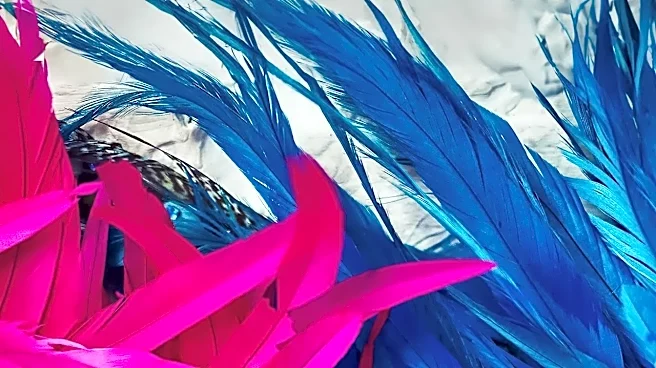
In a series like 'Shōgun,' costume is a language of power, and no one speaks it more fluently than Lord Yoshii Toranaga (Hiroyuki Sanada). Costume designer Carlos Rosario was tasked with creating a wardrobe that communicated status, strategy, and tradition. For nobles, layers of luxurious, hand-painted silk signal wealth and abundance. But Toranaga’s attire does more than just display his rank; it reflects his state of mind. During tense negotiations or moments of quiet contemplation, he might appear in the simple, elegant kosode of a samurai. In contrast, his battle armor, paired with a stunning vest called a jinbaori, is a declaration of power and intent. One of his jinbaoris, intricately made with hundreds of hand-attached peacock feathers, took hundreds of hours to create and showcases the immense wealth and authority he wields, reminding allies and enemies alike that his influence is as carefully constructed as his wardrobe.
The Ghoul: A Post-Apocalyptic Cowboy's Patina
In the world of 'Fallout,' survival is everything, and a character’s look tells the story of their long, hard road. For Walton Goggins' The Ghoul, his costume is as much a part of him as his irradiated skin. Originally a pre-war actor named Cooper Howard, his signature cowboy outfit becomes a key narrative thread. Costume designer Amy Westcott pitched the idea of aging his original pre-war costume to an extreme degree for his Ghoul persona. The result is a battered, weathered version of his former self—a constant, visual reminder of the man he lost. Recent set photos from the upcoming season show a noticeably less weathered version of his outfit, hinting at a possible narrative shift. Whether this signals a flashback to his past or a new chapter in his journey, the state of his iconic duster and cattleman's hat is a direct reflection of his place in the harsh, unforgiving wasteland.