

The Path Not Taken: #Menswear
Cast your mind back to the early 2010s. The dominant force in men’s style wasn’t hoodies and graphic tees; it was the tailored, heritage-obsessed world of #menswear. Driven by influential fashion blogs and street style photographers at events like Pitti
Uomo in Florence, this movement celebrated classic menswear with a modern twist. Think slim-fit suits, colorful socks, pocket squares, and an almost academic appreciation for craftsmanship. This was a world of dandies and dapper gents, where the goal was to look put-together and sophisticated. For a moment, it seemed like the future of mainstream men's fashion would be about subtle elegance, heritage brands, and looking sharp. The streetwear scene existed, but it was still a subculture, bubbling under a surface dominated by blazers and brogues. This was the alternate reality—a quieter, more traditionalist decade that almost was.
The Cultural Disruption: Kanye and Virgil
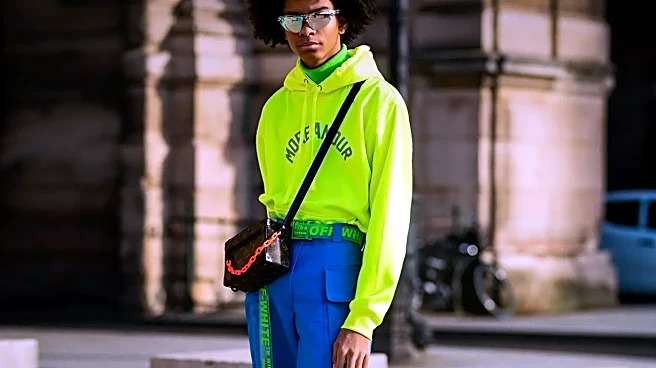
The pivot away from tailored traditionalism can be credited in large part to a few seismic cultural figures, most notably Kanye West and his protégé, Virgil Abloh. While the #menswear blogs were celebrating heritage, West and Abloh were busy merging hip-hop, high art, and luxury fashion into something entirely new. As Kanye's creative director, Abloh helped shape a visual language that broke down the old barriers. His own early ventures, Pyrex Vision and then the game-changing Off-White, treated fashion as a medium for cultural commentary. They championed a high-low aesthetic, proving that a hoodie could be as culturally significant as a bespoke suit. This new guard wasn't interested in fitting into the established fashion world; they wanted to remake it in their own image, bringing their audience and their cultural reference points with them. They made streetwear aspirational, intellectual, and, most importantly, cool on a global scale.
The Platform Shift: Instagram and Hype
While the creative vision was changing, so was the technology. The rise of Instagram completely rewired how trends were born and spread. The meticulous blog posts of the #menswear era gave way to the instant visual impact of an outfit of the day (#OOTD). This new landscape was perfect for the bold, graphic nature of streetwear. A Supreme box logo or an Off-White diagonal stripe was immediately recognizable in a feed, creating a new kind of visual currency. Brands mastered this new reality by adopting the "drop model," releasing limited-edition products at specific times to generate immense hype. This wasn't about long-lasting quality in the traditional sense; it was about exclusivity, community, and the thrill of the chase. Sneaker culture, in particular, exploded in this environment, turning footwear into a collectible asset class and cementing the idea that what you wore was less about taste and more about access.
The Unlikely Alliance: Luxury Meets Street
The final turn that cemented streetwear's dominance was its collision with the world of high fashion. For decades, luxury houses were fiercely protective of their brands. In 2000, Louis Vuitton even sent Supreme a cease-and-desist letter for using its monogram. But by the mid-2010s, luxury brands realized they couldn't ignore the cultural tidal wave. The pivotal moment came in 2017 with the official Louis Vuitton x Supreme collaboration, a partnership that would have been unthinkable just years earlier. This collection didn't just blur the lines between luxury and street; it erased them. It legitimized streetwear in the eyes of the old guard and introduced hype culture to a new, wealthy clientele. Soon after, Virgil Abloh was appointed artistic director of Louis Vuitton's menswear, a move that symbolized the complete takeover. Streetwear was no longer the challenger; it was the establishment.