




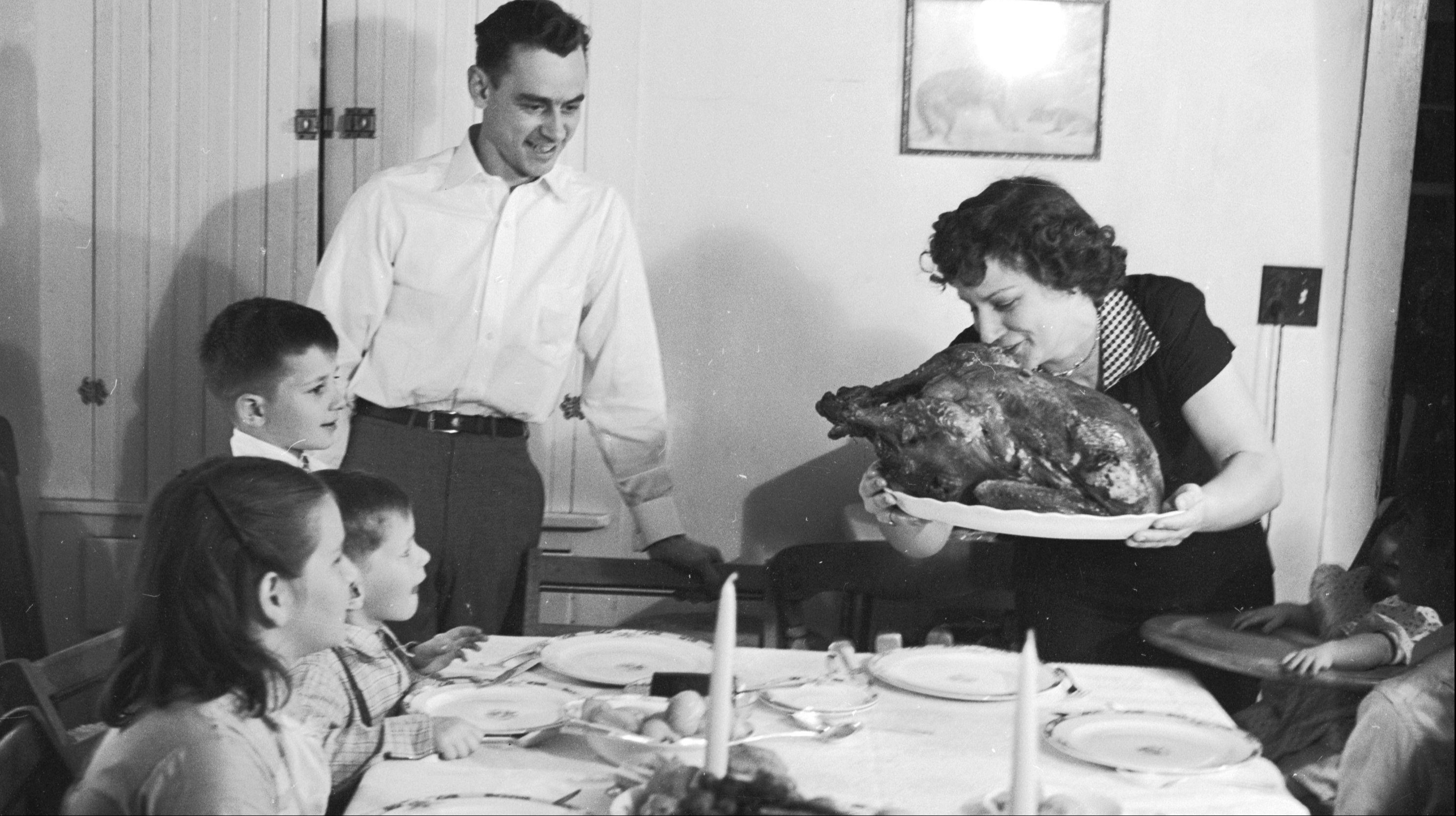
In Gurinder Chadha's 2000 film 'What's Cooking?', Thanksgiving isn't just a meal; it's the entire script. The film uses the classic American holiday to reveal deep family truths without a single line of clumsy exposition.
Four Kitchens, One Story
On its surface, 'What's Cooking?'
is a simple holiday movie about four diverse families in a Los Angeles neighborhood preparing for Thanksgiving dinner. There’s the Williams family, who are African American; the Avila family, who are Latino; the Nguyen family, who are Vietnamese; and the Seelig family, who are Jewish. Director Gurinder Chadha deftly cuts between their kitchens, creating a rhythm that’s both chaotic and comforting. But the film's genius lies in what it doesn't say. Instead of using dialogue to explain who these people are, it shows us through their food. The choice of mac and cheese, the debate over spring rolls versus turkey, or the perfect tamales become a narrative shorthand for assimilation, tradition, rebellion, and reconciliation.
Secrets on the Menu
Each family’s table is laden not just with food, but with unspoken tensions. In the Williams household, Audrey (Alfre Woodard) prepares a gourmet, perfectionist meal, a clear reflection of her desire for a flawless family image. Her efforts are undermined by a meddling mother-in-law who complains about the absence of traditional soul food dishes like mac and cheese, and a husband (Dennis Haysbert) whose political work for a conservative governor clashes with their son's progressive ideals. The food becomes a battlefield for class, generation, and identity within the Black middle-class experience. Every perfectly placed garnish is an attempt to control a family situation that is rapidly spiraling out of her grasp.
A Taste of Taboo
For the Jewish Seelig family, the tension is about acceptance. Rachel (Kyra Sedgwick) brings her long-term partner, Carla (Julianna Margulies), home for the holiday, but her parents are desperate to hide the nature of their relationship from conservative relatives. They are given separate beds, and a list of 'off-limits' topics is established for dinner conversation. The traditional Thanksgiving spread is, in this context, a tool of conformity—an attempt to present a 'normal' family picture. The drama doesn't come from a dramatic speech, but from the excruciating awkwardness of a relative asking Rachel why a 'beautiful girl' like her isn't married yet, a question that hangs over the kugel and turkey like a threat.
When Generations Collide
The film explores generational and cultural clashes most vividly in the Vietnamese Nguyen and Latino Avila homes. The Nguyen matriarch, Trinh (Joan Chen), is stressed by her children’s Americanization; she finds a condom in her daughter’s coat and discovers her son is hiding a gun. Her internal conflict is externalized by her cooking two separate meals: a traditional Vietnamese feast and a classic American turkey. Meanwhile, Elizabeth Avila (Mercedes Ruehl) is blindsided when her son invites her estranged, cheating husband to dinner, forcing her to confront her past while trying to embrace a new relationship. In both homes, the food on the table is a physical manifestation of the cultural and emotional tug-of-war each family is experiencing—a battle between holding on and letting go.