






More Than Just a Game
For much of mainstream America, a major soccer tournament like the World Cup or Copa América is a fun, four-week diversion—a chance to learn some new names and maybe buy a jersey. For the nation’s immigrant communities, it’s something else entirely. It’s
a 90-minute portal back home. It's a visceral, high-stakes expression of national identity, history, and collective memory played out on a field thousands of miles away. When Argentina or Mexico or Nigeria plays, the game isn't just sport; it's a proxy for pride, a defense of honor, and a chance to, for a brief moment, feel unequivocally victorious. This emotional weight is the primary ingredient that alters the American sports palate. It transforms a simple athletic contest into a deeply personal, communal, and often spiritual event.
The Stadium Is the Neighborhood
The quintessential American sports experience often involves a ticket to a gleaming stadium or a booth at a corporate sports bar. But for many immigrant fans, the stadium is the neighborhood itself. During a big match, a Colombian bakery in Jackson Heights, Queens, becomes a sea of yellow jerseys, the air thick with the smell of pandebono and the roar of a hundred transplanted hearts beating as one. In Los Angeles, plazas and restaurants in East L.A. become unofficial fan zones for El Tri, with car horns providing the soundtrack for every goal. These aren't just viewing parties; they are temporary reclamations of public space. A humble butcher shop, a bustling restaurant, or a quiet community hall is transformed into a sacred ground where the rituals of fandom—the chants, the prayers, the shared agony and ecstasy—can be performed openly and with fierce devotion.
A Taste of Home, Literally
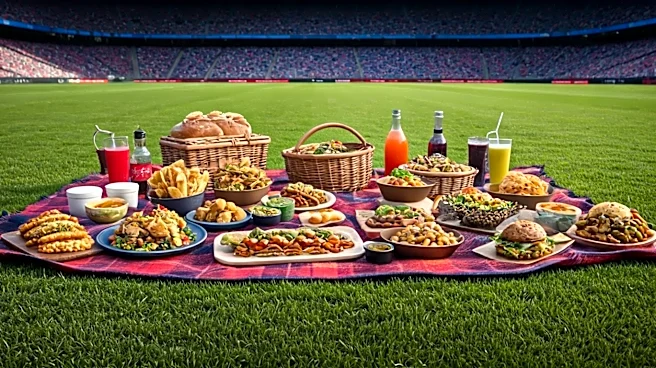
The headline’s metaphor is also literal. The American soccer experience is flavored by the foods of the world. Forget lukewarm light beer and generic nachos. Here, the taste of victory is a Brazilian picanha grilled to perfection in a Newark churrascaria. It’s the sweet relief of a cold Mexican lager after a tense penalty shootout. It’s the communal sharing of dozens of empanadas, each bite a connection to family recipes and national tradition. Food and drink aren't just concessions; they are an integral part of the broadcast. The stress of a 0-0 match is managed with nervous sips of maté. A stunning goal is celebrated with a toast of something strong and familiar. This culinary dimension adds a layer of sensory richness that grounds the viewing experience in culture, making the game feel less like a global media product and more like a family gathering.
Passing the Torch, and the Remote
These celebrations are also about the future. For first-generation immigrants, sharing their national team’s journey is a way to pass down a piece of their heritage to their American-born children. It’s a living lesson in geography, language, and cultural pride that no textbook can offer. This often creates a beautiful and complex dynamic in second- and third-generation fans. You’ll find teenagers wearing a U.S. Men’s National Team jersey one day and a Brazil or Italy kit the next. They learn to navigate dual allegiances, understanding that you can love the country you’re from and the country you’re in. This fusion is creating a new type of American soccer fan—one who is globally aware, culturally fluent, and understands that a love for the game doesn't have to be a zero-sum choice.