
More Than Just a Bigger Room
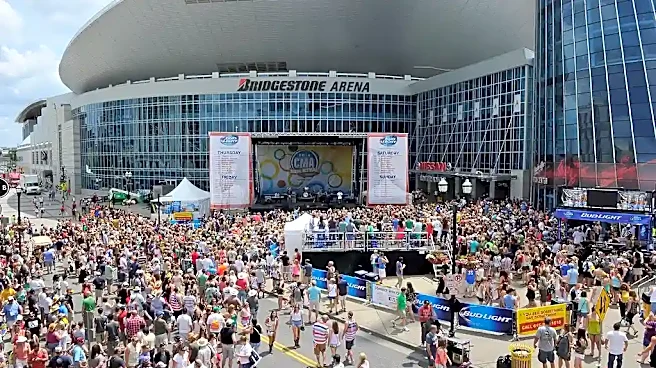
For decades, the CMA Awards have been a Nashville institution, but their move to Bridgestone Arena back in 2006 permanently shifted the show's DNA. Before then, the ceremony lived in more traditional theaters
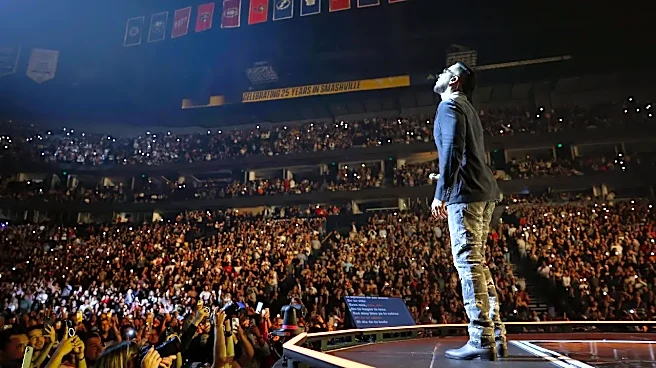
like the Grand Ole Opry House. An arena isn't just a larger venue; it’s a different beast entirely. With a capacity that can approach 20,000, the space is designed for sporting events and blockbuster concerts, not the relative intimacy of an awards show. This creates an immediate challenge for television producers: how do you make a show feel both epic for the roaring crowd and personal for the millions watching from their living rooms? The answer lies in completely rethinking the production, from the stage design to how artists connect with a camera lens that might be hundreds of feet away.
A New Playground for Cameras
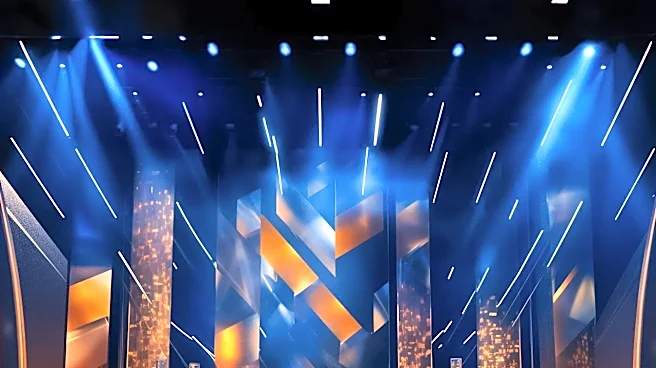
In a standard theater, camera placement is relatively fixed. In an arena, the possibilities—and necessities—explode. To capture the energy, producers employ a fleet of cameras, including sky-cams that glide over the audience, rail-cams tracking artists across the stage, and handhelds that get right in the action. One of the biggest shifts is creating what the industry calls 'individual looks' for each performance. Instead of a one-size-fits-all stage, each artist gets a unique visual and technical setup. This allows for a performance by someone like Chris Stapleton to feel raw and intimate, while a high-energy number from Lainey Wilson can use the full scale of the arena with massive LED backdrops and pyrotechnics. The lighting grid alone is a monumental task, designed to make every corner of the enormous space look flawless on camera while guiding the TV viewer’s eye to the focal point.
Unleashing the Artists
The arena floor becomes a blank canvas for artists who are used to commanding stadium-sized crowds on tour. The larger footprint allows for multi-stage designs, elaborate choreography, and special effects that would be impossible in a smaller venue. For the 2026 awards, this means a powerhouse lineup including Luke Combs and a special tribute to Brooks & Dunn can go bigger than ever. Performers can build entire worlds for a three-minute song. This might involve complex set pieces, a full string section, or even surprise collaborations that leverage the venue’s space. The trade-off is that artists have to work harder to project their performance to the very last row, all while maintaining the subtle connection needed for a television close-up. It's a dual-performance, playing to the rafters and the camera simultaneously.
Two Shows, One Night
Ultimately, the CMA Awards in an arena are two different shows happening at once. There's the live event for the thousands of fans and industry members in attendance, an experience driven by collective energy and thunderous sound. Then there's the broadcast, a carefully curated story told through dozens of camera angles, meticulous audio mixing, and seamless transitions. The production team's job is to bridge that gap. Audio engineers work to balance the roar of the crowd with the clarity of the vocals, ensuring the at-home audience feels the room's energy without being overwhelmed. Directors cut between wide shots establishing the arena's scale and tight shots that capture a singer's emotion, creating a rhythm that keeps viewers engaged. It's a high-wire act of technical precision and creative storytelling, all unfolding live.