



A Vibe, Not a Mandate
After every fashion month, the industry works to identify the key takeaways from New York, London, Milan, and Paris. While certain themes always emerge—a dominant color, a recurring silhouette—London consistently resists a simple summary. Where one city
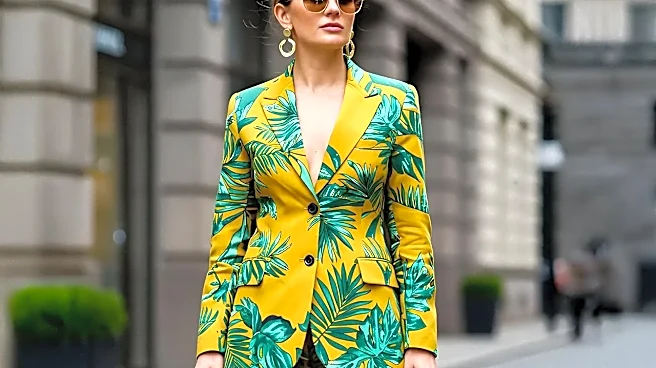
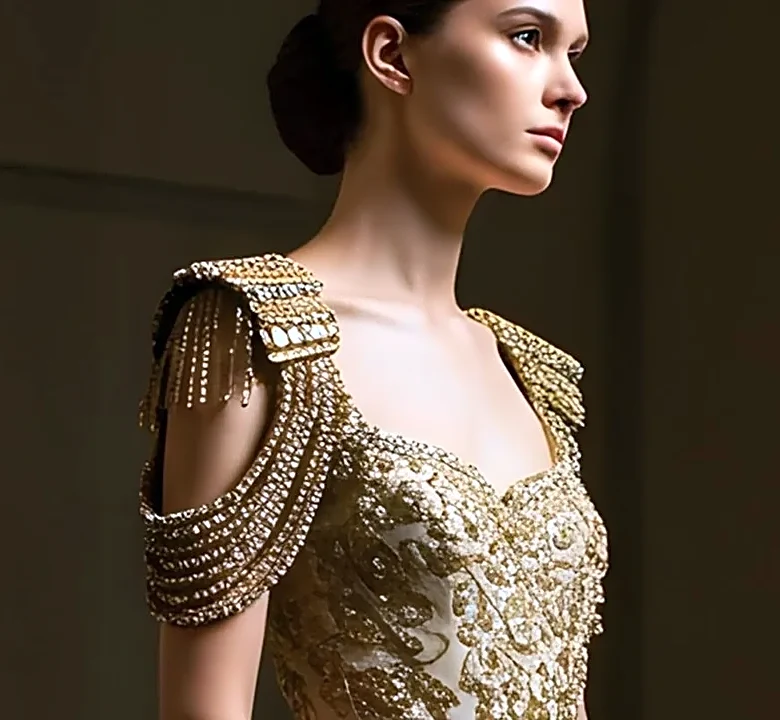
polishes and another glamorizes, London experiments. This September was no different. Shows across the city for Spring/Summer 2027 showcased a sprawling range of ideas, from the sharp, architectural tailoring seen at some shows to the romantic, voluminous drama at others. You could find neon colors and natural motifs, cinematic minimalism, and bold, 'look-at-me' ensembles, sometimes on the same street. The result is less a set of instructions and more of a mood: a celebration of individuality that encourages personal style over following a formula.
The Art School Pipeline
You can’t talk about London fashion without talking about its world-famous art schools. Institutions like Central Saint Martins and the London College of Fashion are the engine room of the city's creative scene. These schools are legendary for prioritizing radical self-expression, conceptual thinking, and artistic experimentation over purely commercial concerns. Students are encouraged to challenge norms, deconstruct ideas, and use clothing to explore social and political agendas. This produces designers who see fashion as an art practice. Many of the most-watched emerging designers at the recent fashion week were graduates of these programs, bringing practices that blend garment construction with everything from sculpture to digital art and cultural research. This constant influx of talent, trained to prioritize a unique point of view, ensures the city's fashion landscape remains eclectic and unpredictable.
An Incubator for New Talent
London has a well-earned reputation as a launchpad for young designers. Initiatives from the British Fashion Council, like the NEWGEN program and Fashion Scout's 'Ones to Watch', provide crucial funding, mentorship, and a platform for emerging talent who might otherwise be shut out of a capital-intensive industry. This focus on what's next is a defining feature of the week's schedule, which mixes global powerhouses like Burberry and McQueen with designers making their runway debut. This ecosystem allows creativity to flourish before commercial pressures take over. Young designers often work with upcycled materials, deadstock fabrics, and innovative, cost-effective techniques out of necessity, leading to collections that feel personal, resourceful, and raw. This makes London a genuine discovery zone, where the next big idea is just as likely to come from a little-known name as an established house.
The Legacy of Subculture and Street Style
London's fashion identity is inseparable from its history of subversion. From the sartorial anarchy of punk to the DIY creativity of New Romantics, the city's style has always been forged on the streets, not handed down from on high. This legacy of rebellion and individuality is baked into its DNA. Designers frequently draw inspiration from the city's diverse communities, music scenes, and multicultural fabric. You can see it in the way traditional British codes—tailoring from Savile Row, heritage checks, countryside wax jackets—are constantly reinterpreted, deconstructed, and mixed with unexpected elements. This blend of high and low, of classicism and chaos, is what makes London street style so influential and its runway collections so hard to pin down. The city doesn't just present trends; it creates a space where personal style is the trend.