


A Rock and Roll Creation Myth
The single most discussed element of the trailer is its shocking and brilliant musical choice: Led Zeppelin's 'Stairway to Heaven'. This isn't the orchestral swell of fantasy films past; it's a '70s rock anthem. Gerwig herself has called her vision a 'rock
opera' inspired by David Bowie, clarifying it's not a musical but a film with a rock-and-roll soul. This immediately signals a tonal departure. The decision to use a song so iconic—and one the band rarely licenses for films—suggests the film's tone will be epic and spiritual, but also rebellious and a little trippy. It frames the creation of Narnia not just as a divine act, but as a piece of cosmic, psychedelic art.
From Drab England to Cosmic Color
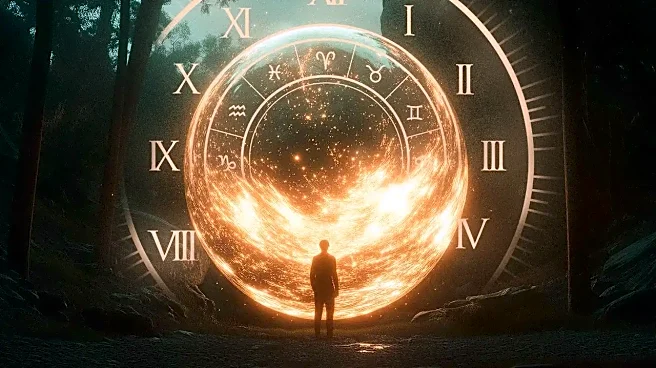
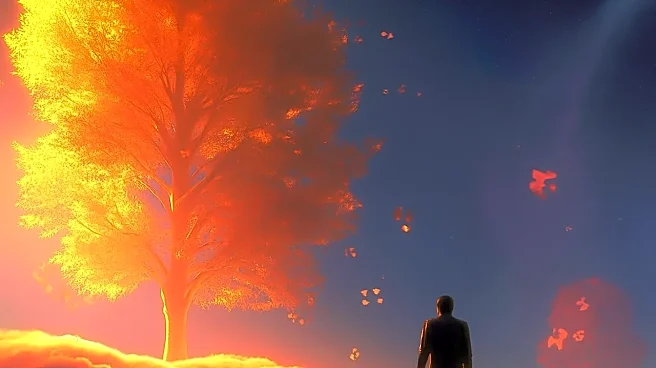
Visually, the trailer creates a stark contrast between two worlds. We see glimpses of a drab, grey London, which is upended when the children, Polly and Digory, are whisked away. What follows isn't the gentle, storybook Narnia of previous adaptations. Instead, Gerwig presents vibrant, cosmic imagery, with Aslan appearing as an outline of stars before taking form. The dead world of Charn, home to the future White Witch, Jadis, is shown as a desolate, ruined city under a dying red sun. This suggests a tone that fully embraces the strangeness of C.S. Lewis's work—a world born from both spectacular beauty and deep, ancient horror. The visuals are grand, but also eerie and unsettling.
A Modern Sensibility, A Foundational Story
Gerwig made a significant change by moving the story's setting from the early 1900s to 1955, the year the book was published. This places the characters in a post-war Britain on the cusp of the rock-and-roll era, linking the film's aesthetic to a real-world cultural shift. This choice suggests a tonal blend: the classicism of Lewis's allegory mixed with a more modern, emotionally accessible character study. Gerwig has a knack for exploring the inner lives of her characters, especially young women, and the trailer hints at a focus on the children's awe, fear, and moral choices. The film seems less concerned with being a period piece and more interested in the timeless feelings of being a child discovering a world bigger and more dangerous than you imagined.
Creation over Destruction
In a Q&A event, Gerwig made a revealing comment: 'Movies this size are usually about destruction. With The Magician's Nephew, she gets to build a world.' This ethos seems central to the film's tone. The trailer's most powerful moments are not of battle, but of genesis—Aslan singing the world into existence. While we see Emma Mackey's imposing Jadis, hinting at the evil to come, the trailer's heart is in the act of creation. This points to a tone that is fundamentally optimistic and full of wonder, even as it acknowledges the darkness. It’s a story about beginnings, and Gerwig appears to be leaning into the awe and majesty of witnessing the birth of a universe.