






Craftsmanship vs. Convenience
The most visible difference lies in the creation process. A typical Halloween costume is a purchase of convenience—a pre-packaged outfit bought for a single night of fun. Cosplay, on the other hand, is an art form rooted in craftsmanship. Many cosplayers
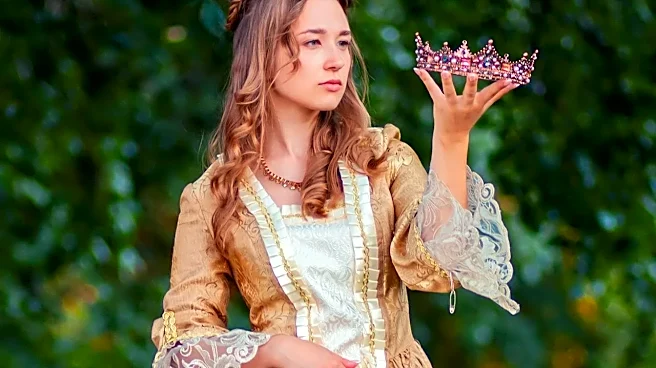
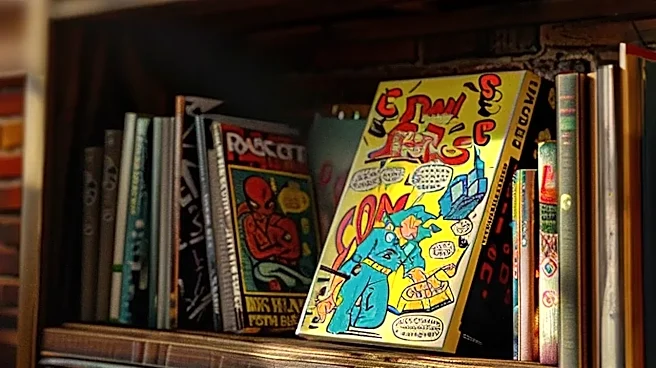
spend months, or even a full year, designing, sewing, sculpting, and engineering their outfits from scratch. They meticulously study screen grabs, comic panels, and character art to replicate every detail, from the specific shade of a hero's cape to the precise weathering on a villain's armor. While store-bought elements are sometimes used, the focus is on personal effort and skill, turning the act of making the costume into a core part of the hobby itself. It's a labor of love, dedicated to authenticity.
Character Embodiment vs. General Theme
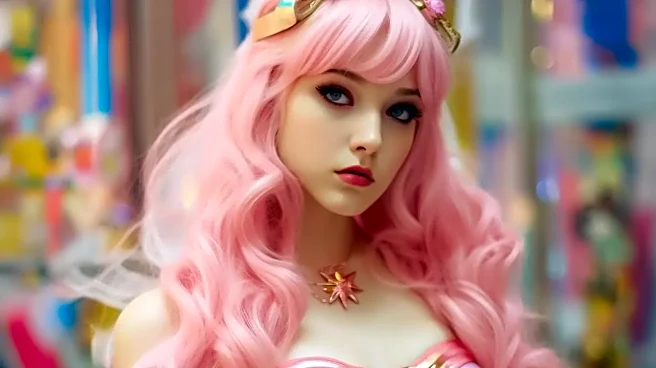
Halloween costumes often revolve around broad concepts: a ghost, a witch, a generic superhero. Cosplay is about specificity. A cosplayer isn't just dressed as a Jedi; they are a specific version of Obi-Wan Kenobi from a particular film or series. This practice, called "costume play," is about embodying a character, not just wearing their clothes. It often involves adopting the character's mannerisms, poses, and personality for photos and interactions. At an event like NYCC, you’ll see dozens of Spider-Man variants, but each cosplayer is often channeling a specific iteration from a comic book arc, film, or video game, a distinction fellow fans instantly recognize and appreciate.
A Year-Round Community vs. a One-Night Occasion
Halloween is a holiday; cosplay is a hobby. This distinction defines the culture surrounding each. Halloween is a widespread, annual social ritual tied to October 31st. Cosplay is a year-round subculture. The community is built around conventions like New York Comic Con, Anime NYC, and countless other local meetups where fans gather to showcase their work, share techniques, and celebrate their shared passions. It’s a social glue that connects people who might otherwise never meet, creating a vibrant network built on mutual interest and creative expression. For many, cosplay is an integral part of their social life and identity, far removed from a once-a-year party.
Performance and Fandom vs. Parties and Candy
While both activities involve dressing up, the intended audience and purpose differ significantly. A Halloween costume is for a party or trick-or-treating. A cosplay is often for a performance, even a passive one. At conventions, organizers schedule official cosplay meetups and photo opportunities for fans of specific franchises, like Marvel or DC. The act of being seen, photographed, and appreciated by fellow fans for the accuracy and artistry of your work is a central part of the experience. It's an outward expression of deep fandom, a way to pay tribute to a character or story that holds personal significance. The reward isn't candy; it’s the joy of bringing a fictional character to life for yourself and for a community that shares your love for them.