




A Mission, Not a Marriage
The most immediately noticeable difference in Moana is the complete lack of a romantic subplot. While past princesses from Snow White to Tiana had stories that revolved around or were significantly driven by finding a partner, Moana’s quest is entirely
her own. She is the daughter of the chief, preparing to lead her people. Her journey isn’t to escape a curse or win a man's affection, but to confront a demigod and restore life to her dying island. This deliberate choice by the filmmakers allows her character to be defined by her courage, intelligence, and sense of duty, rather than by her relationship status. She even pushes back when Maui calls her a “princess,” clarifying her role as a future leader. This simple but profound shift makes her a heroine on an epic journey, not a damsel awaiting a fairytale ending.
For the People, Not the Prince
While many princess stories are about personal transformation or escape, Moana’s adventure is rooted in communal responsibility. The blight affecting Motunui isn’t a personal problem; it’s an ecological crisis threatening her entire community’s way of life. Her motivation is not to rebel for her own freedom, but to serve her people by venturing beyond the reef—an act forbidden by her father out of fear. She is driven by a genuine desire to be a good leader. This makes her quest feel grander in scale. It’s not about changing her own fate, but restoring the world and honoring the legacy of her ancestors, the master wayfinders. Her victory isn’t a personal happily-ever-after; it’s the revival of her culture and the salvation of her home.
An Adventure Rooted in Culture
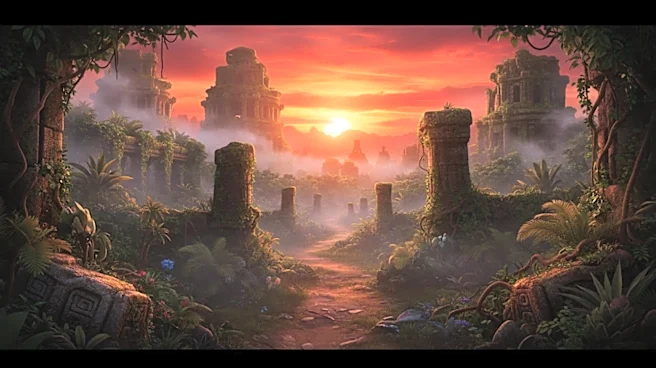
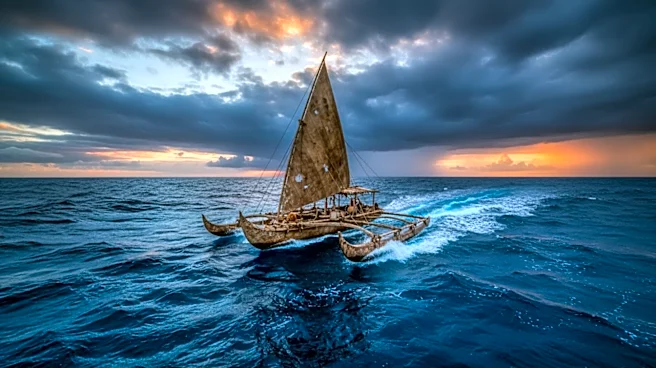
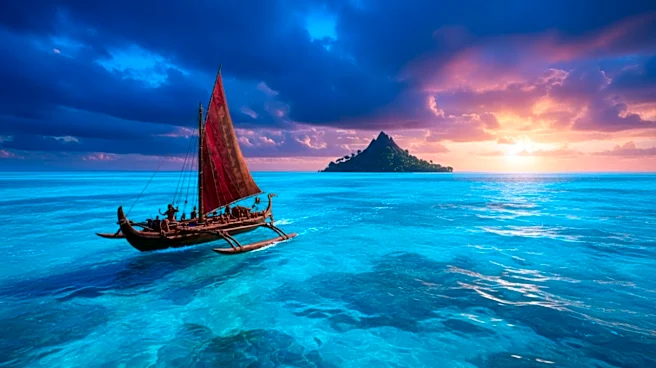
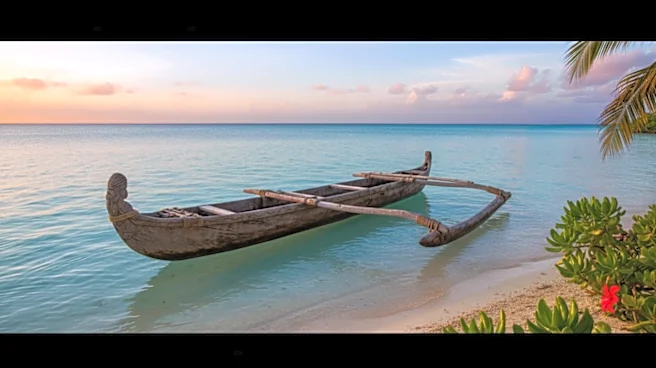
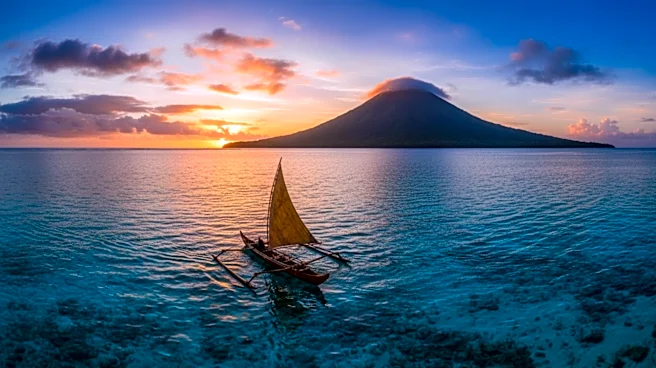
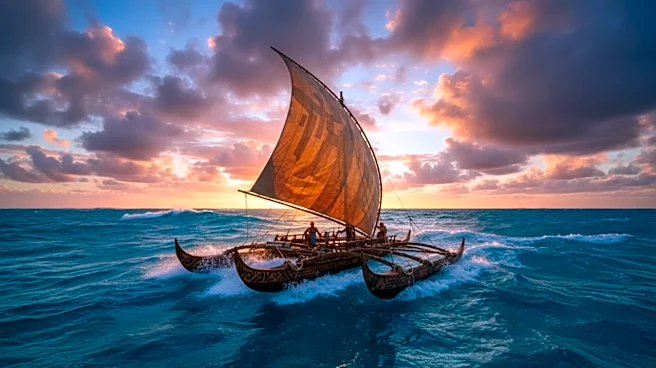
Unlike the European fairytale settings of Cinderella or Sleeping Beauty, Moana is deeply immersed in the real-world mythology and history of Oceania. To ensure authenticity, Disney established an “Oceanic Story Trust,” a group of anthropologists, cultural practitioners, historians, and artists from across the Pacific Islands who consulted on everything from mythology to costume design. This commitment brings a tangible weight to the story. The film’s narrative is inspired by the real history of Polynesian wayfinders, who were among the greatest navigators in human history, and seeks to imagine an answer to the historical mystery of “The Long Pause,” a period when their voyages inexplicably stopped for a millennium. This grounding in a specific, rich cultural tradition gives Moana's world a depth that a generic fantasy kingdom simply cannot match.
Healing the Villain, Not Defeating Her
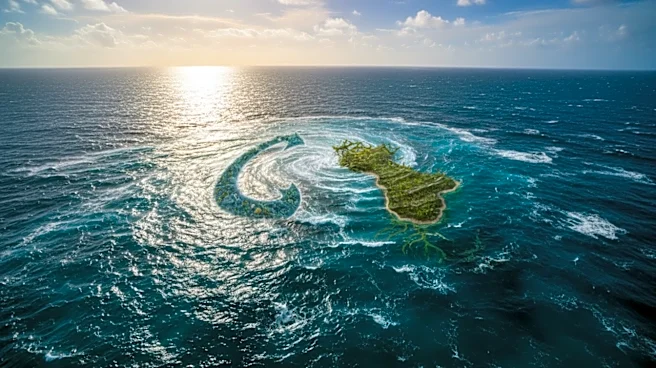
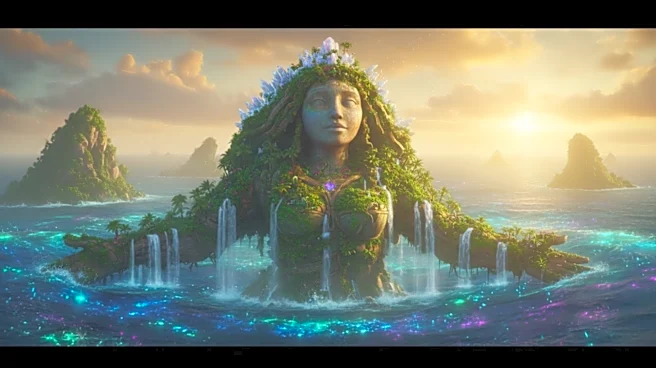
Perhaps the most powerful departure from the princess formula is the film’s climax. Moana doesn’t face a purely evil sorceress like Ursula or Maleficent. The fiery antagonist, Te Kā, is revealed to be the corrupted form of Te Fiti, the life-giving island goddess, after her heart was stolen. Realizing this, Moana doesn’t defeat Te Kā in a final battle. Instead, in a radical act of empathy, she walks calmly toward the lava monster and restores the heart. The story’s resolution is an act of healing, not of violence. It teaches that the source of destruction is often a wound that needs mending. This transforms the climax from a simple good-versus-evil fight into a profound statement about compassion, understanding, and restoration, elevating the entire narrative beyond a simple adventure story.