



A Quick Pleat Glossary
Before diving in, let's clarify the key players. Pleats are essentially folds in fabric used to add fullness and allow movement. In the world of tennis skirts, two styles are most common. First, accordion pleats, which are narrow, evenly spaced folds that
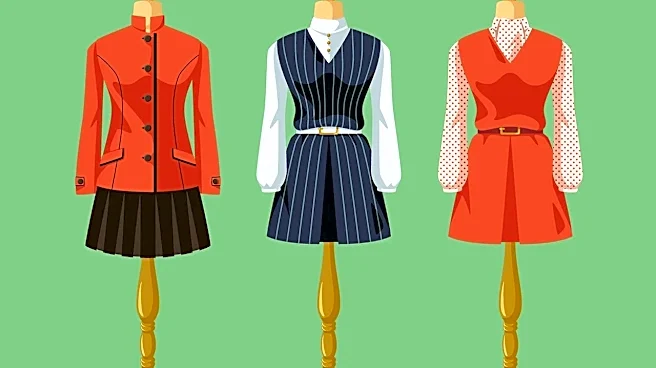
look like the bellows of an accordion and create a lot of texture and dynamic motion. The popular "micro-pleat" or "crystal pleat" is essentially a very narrow version of this. Then you have the knife pleat: a series of crisp folds, all pressed and facing in the same direction. Think of a classic kilt or school uniform skirt; that’s the knife pleat at work. It creates a clean, directional flow rather than an all-over flutter.
The Undisputed Reign of the Micro-Pleat
Walk through any sporting goods store and you’ll find that the vast majority of modern tennis skirts feature accordion-style micro-pleats. There’s a good reason for this. They work exceptionally well with the lightweight, synthetic performance fabrics used in today's sportswear. These materials can be permanently heat-set, meaning the tiny pleats stay sharp wash after wash with minimal effort. Aesthetically, they provide a light, airy, and ultra-feminine look that flares out beautifully during play. This combination of easy manufacturing, durable wear, and visual appeal has made the accordion pleat the default choice for mass-market athletic brands.
Making the Case for the Knife Pleat
So if accordion pleats are so great, why bother with anything else? Because the knife pleat offers a completely different kind of performance and style. Where accordion pleats flutter, knife pleats swing. Their single-direction structure creates a more controlled and powerful sense of movement. Instead of an explosion of fabric, you get a clean, sharp line that opens up for lunges and sprints and falls neatly back into place. This provides a more structured, traditionally athletic silhouette. Since their introduction in the 1930s, pleated skirts have been valued for combining grace with function, and the knife pleat embodies a more classic, tailored version of that ideal.
An Engineering and Cost Trade-Off
The reason the knife pleat is often "overlooked" comes down to engineering and cost. Creating well-made knife pleats is a more involved process. They typically require more fabric—often a three-to-one ratio of fabric to finished width—and each pleat must be precisely folded, spaced, and pressed. This increases both material cost and labor time. While accordion pleats can be machine-made with relative ease, especially on synthetic fabrics, knife pleats demand a more tailored construction to lie flat and hang correctly. For designers focused on producing large quantities of affordable activewear, the simplicity and efficiency of accordion micro-pleating often wins out. The knife pleat is a more deliberate, and often more expensive, design choice.