
The Fiber: It All Starts with the Wool
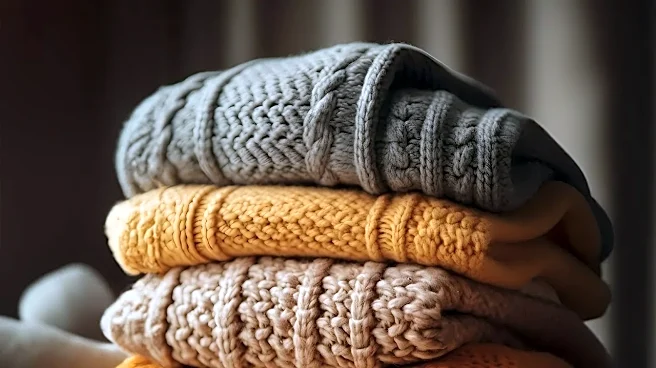
The most significant difference between a $100 sweater and a $400 one is the quality of the raw material. Mid-range sweaters often use standard wool or lambswool, which are warm and durable but can sometimes
have a coarser feel. They might also be blends, incorporating man-made fibers like acrylic to lower costs, which can impact breathability and longevity. Premium sweaters, on the other hand, typically feature higher grades of wool, such as merino or cashmere. These fibers are defined by their fineness, measured in microns. Ultrafine merino, for example, is exceptionally soft with no itch factor because its fibers are so thin. High-end cashmere comes from the long, fine undercoat of specific goat breeds, resulting in unparalleled softness and warmth without bulk. A premium sweater's wool will feel softer, lighter, and more luxurious against the skin.
The Construction: Cut-and-Sew vs. Fully Fashioned
How a sweater is assembled is a major indicator of quality. Many mid-range sweaters use a "cut-and-sew" method. In this process, large pieces of knitted fabric are created, and then the sweater's front, back, and sleeve panels are cut out and stitched together with a sewing machine. This technique is faster and more cost-effective, but it can result in bulky, less flexible seams and fabric waste. Premium sweaters are often "fully fashioned." This means each panel of the sweater is knitted into its precise shape, then linked together seamlessly. This meticulous process creates a superior fit that drapes more naturally on the body. You can often spot a fully fashioned garment by its clean, integrated seams at the shoulders and sides, which have more give and are less prone to unraveling over time.
The Details: Finishing and Durability
Beyond the primary construction, the finishing details signal where a sweater falls on the quality spectrum. In a premium sweater, look for a tight, consistent knit pattern when you hold it up to the light. The ribbing on the cuffs, hem, and collar should be firm and elastic. A simple test is to gently stretch a part of the sweater; a high-quality knit will spring back to its original shape, while a lower-quality one may sag or lose its form. Mid-range sweaters can be perfectly serviceable, but they may be more prone to pilling (the small balls of fiber that form on the surface) and may not hold their shape as well after multiple wears and washes. Premium knits use longer wool fibers, which are stronger and less likely to break and pill, ensuring the garment looks better for longer.
The Verdict: An Investment or a Smart Save?
So, is the premium sweater worth the splurge? It depends on your priorities. A mid-range sweater can be a fantastic, practical choice for everyday wear, especially in more rugged wools like Shetland or in styles you might not wear for many years. It delivers warmth and style at an accessible price point. A premium sweater is an investment piece. You are paying for superior softness, a more refined fit, and craftsmanship designed to last for a decade or more with proper care. The cost reflects not just the luxurious feel, but the durability and timelessness engineered into the garment. It’s built to be a long-term staple, not a seasonal trend.