
The Primal Fear of Being Alone
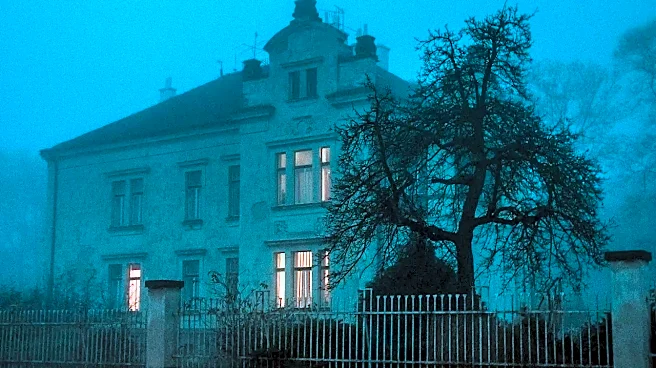
Before the first ghost appears or the first floorboard creaks ominously, the isolated house has already done most of the heavy lifting. Why? Because it taps into a primal, hardwired fear of being alone
and vulnerable. As social creatures, our brains equate solitude with an increased risk of danger. When a film strands its characters in a remote location, it methodically strips away their modern safety nets. There are no neighbors to hear a scream, no passing cars, and, inevitably, no cell service. The audience and the characters arrive at the same terrifying conclusion: help isn't coming. This physical separation is a powerful narrative tool that amplifies every subsequent scare. A strange noise isn't just a mystery; it's a potential threat you must face by yourself. This profound sense of helplessness is the bedrock of films like The Strangers, where the terror comes not from a supernatural entity but from the chilling realization that the home's seclusion makes its inhabitants easy prey.
When the House Becomes the Monster
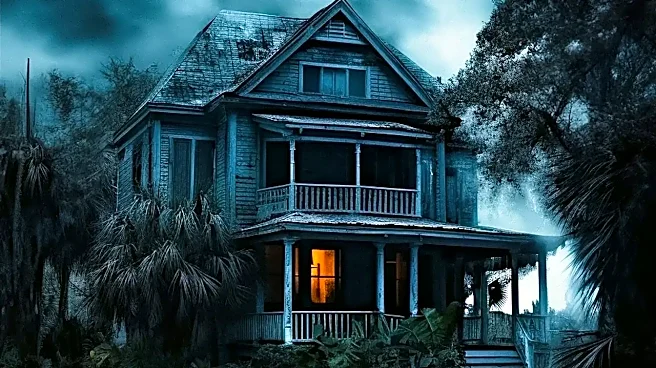
In the best examples of the genre, the house is more than just a container for the horror; it is the horror. Its architecture is designed to create unease, with long, dark corridors, cavernous rooms, and windows that seem to watch you. Think of the Overlook Hotel in The Shining. The building itself is an antagonist, its sprawling, empty halls and historical baggage driving Jack Torrance to madness. The house becomes a character with a malevolent past, its history seeping into the present. In films like The Amityville Horror or The Conjuring, the building is a vessel for evil, its very structure corrupted. The geography of the house—the locked attic, the dark basement, the room at the end of the hall—becomes a map of fear. Characters aren't just trying to survive an external threat; they are trapped inside the belly of the beast.
A Mirror to a Fractured Mind
Isolation doesn't just make characters physically vulnerable; it unravels them psychologically. When you're alone, you're forced to confront your own thoughts and inner demons without distraction. Horror directors use the isolated house as an incubator for madness. The oppressive silence and lack of external stimuli can cause the psyche to crack, blurring the line between what's real and what's imagined. Is that a ghost, or is grief and loneliness playing tricks on your mind? In films like The Lodge or Goodnight Mommy, the seclusion acts as a pressure cooker for pre-existing trauma and paranoia. The house becomes a reflection of the characters' deteriorating mental state. Every shadow and strange sound could be a supernatural occurrence or a symptom of a psychological breakdown, leaving the audience in a delicious state of uncertainty.
The Ultimate Loss of Sanctuary
Ultimately, the isolated house is so terrifying because it violates the one place we are supposed to feel unconditionally safe. Your home is your sanctuary, the one location shielded from the dangers of the outside world. Horror films that use this setting take that fundamental sense of security and shatter it. The home invasion subgenre, seen in films like You're Next or David Fincher's Panic Room, plays on this fear directly. These stories demonstrate that even high-tech security and reinforced walls are meaningless when the threat is already inside or is determined to wait you out. By turning the home from a refuge into a trap, the isolated house leaves characters—and the viewers watching them—with the most terrifying thought of all: if you aren't safe here, you aren't safe anywhere.