



Start with a Lighter, Slimmer Hoodie
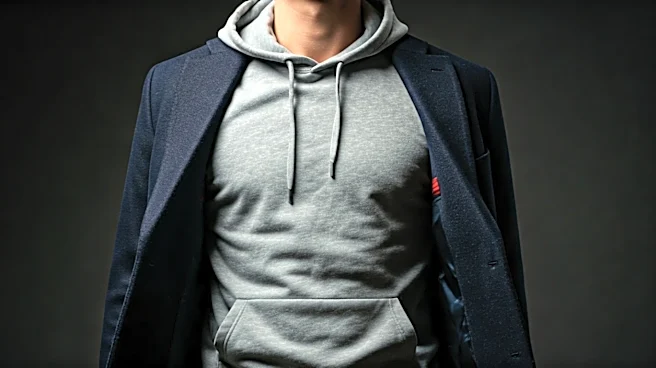
The most common mistake is starting with the wrong foundation. Your favorite heavyweight, ultra-cozy fleece hoodie is perfect on its own, but it's a primary cause of bulk under a coat. [4] The secret is to choose a hoodie made from a thinner, more streamlined
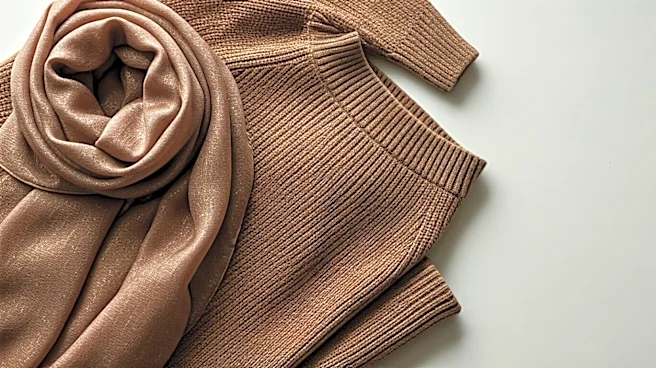
material. [7] Look for options in lightweight fleece, merino wool, cashmere, or quality cotton-poly blends without a thick, fleecy lining. [5, 10] These fabrics provide warmth without adding unnecessary volume. [9] A slimmer, more tailored fit is also crucial. [1] Avoid baggy or oversized hoodies, as the excess fabric will inevitably bunch up around your torso and arms, creating the puffy silhouette you want to avoid. [2]
Choose Your Coat Wisely
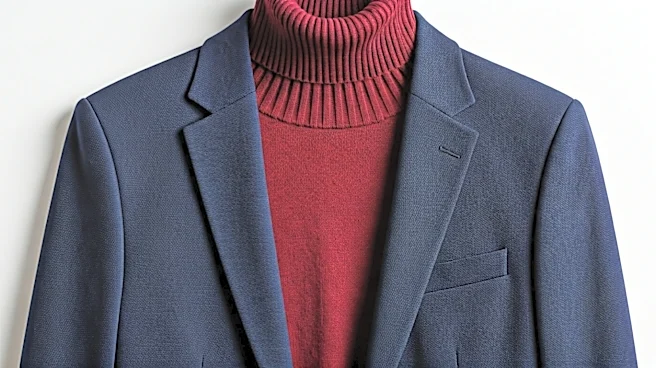
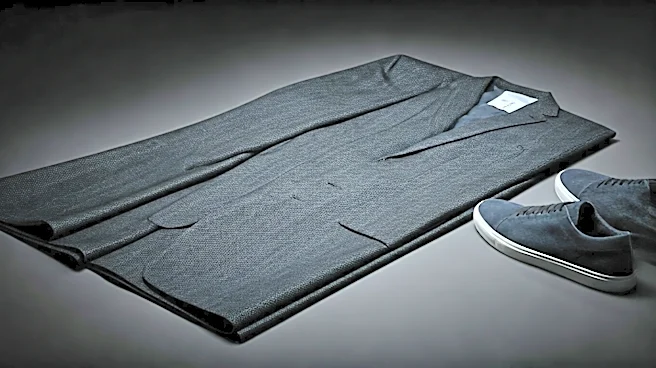
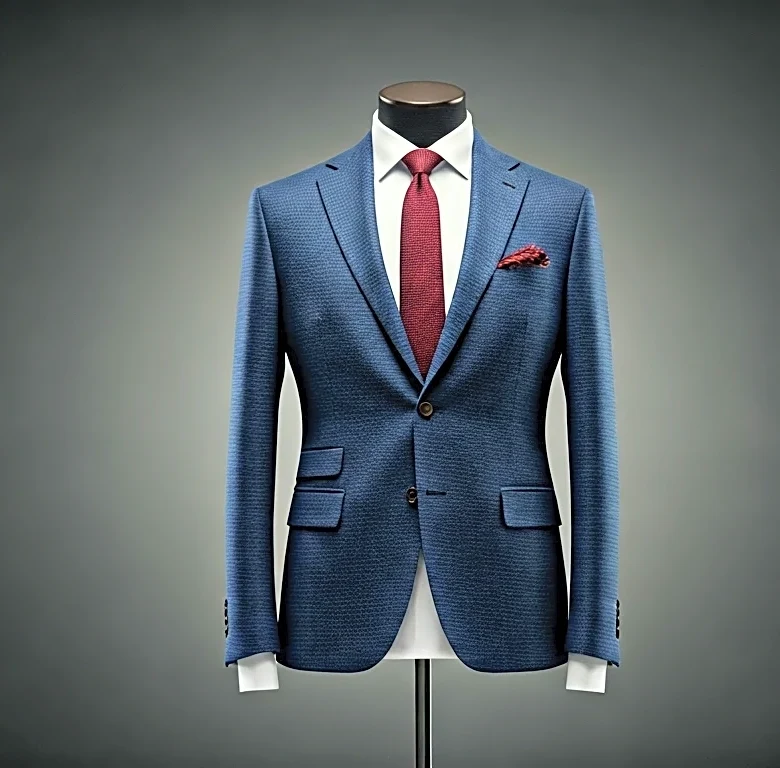
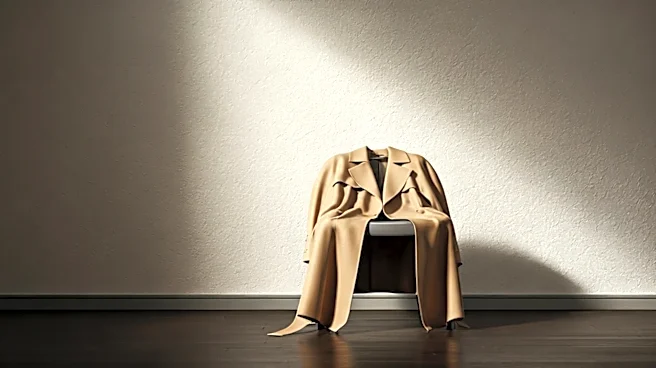
Not all coats are created equal when it comes to layering. To accommodate a hoodie comfortably, your coat needs a little extra room, particularly in the shoulders and chest. [4] This doesn't mean sizing up until it looks sloppy; often, just one size up from your typical fitted size is enough. [4] Styles with a naturally roomier cut, like an overcoat, trench coat, or an unstructured blazer, work exceptionally well. [2, 12] A tailored wool coat over a clean hoodie creates a sophisticated, modern look. [15] When trying on a potential coat, wear a mid-weight sweater or hoodie to test the fit. You should be able to raise your arms without the coat pulling tightly across your back. [4] Avoid jackets that are already puffy, like some puffer coats, unless the hoodie underneath is extremely thin.
Mind Your Proportions and Length
A successful layered look depends on balanced proportions. Generally, the hem of your hoodie should not hang too far below the hem of your coat, especially with shorter jacket styles like bombers or denim jackets. [15] This can visually break your body line and look unintentional. [15] With longer outerwear like a peacoat or overcoat, this is less of a concern. [12] However, be mindful of cropped hoodies, which can create an awkward gap unless your coat is long enough to fully cover your midsection. [10] The goal is for the layers to look like they belong together, creating a cohesive silhouette rather than a jumble of different lengths.
Master the Hood and Collar
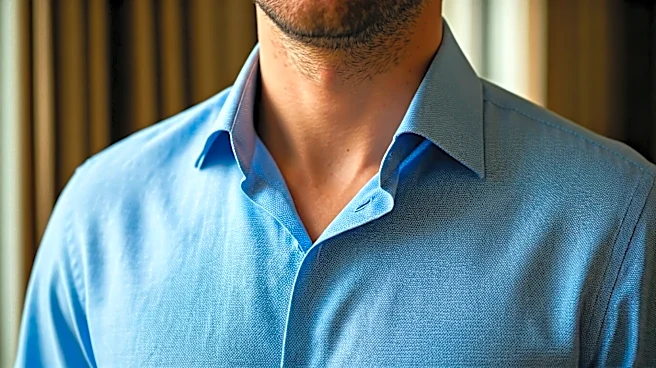
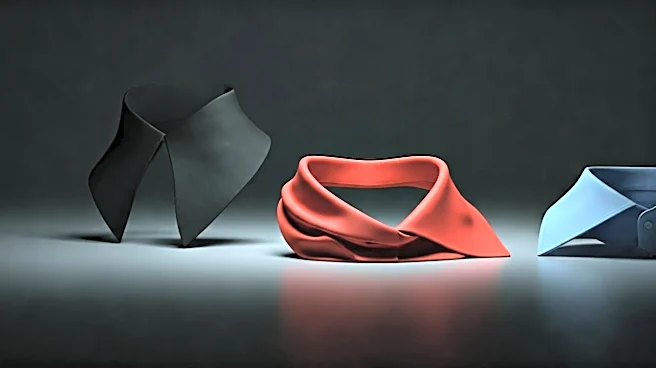
The interaction between the hoodie's hood and the coat's collar is a detail that can make or break the outfit. Don't let the hood bunch up awkwardly behind your neck. [8] The cleanest method is to pull the hood out and lay it flat over the back of the coat's collar. [2] This works best with coats that have a classic spread collar or are collarless, as they naturally accommodate the extra fabric. [10] If your coat also has a hood, it can create a 'turtle' effect with two hoods stacked on top of each other. [4] In this case, ensure the coat's hood is larger and sits neatly over the hoodie's hood, or opt to tuck the hoodie's hood inside the coat, making sure it lies flat against your neck and back. [4, 8]
Stick to a Clean Color Palette
While layering offers a chance to play with color, keeping it simple often yields the sharpest results. For a polished, smart-casual look, stick to solid-colored hoodies in neutral tones like grey, black, navy, or beige, especially when wearing them under a more formal coat like a blazer or overcoat. [2] This approach keeps the outfit from looking too busy or chaotic. [2] Monochromatic or tonal layering—pairing different shades of the same color family, like a charcoal hoodie under a black coat—is an easy way to look instantly put-together. [12, 15] Save the graphic hoodies for more casual pairings with denim or bomber jackets. [2]