





The Grind of Good Enough
Imagine running a marathon, but the finish line moves further away every time you hit your stride. That’s the reality for the creators of daily podcasts. Unlike a weekly show or a limited-run narrative series that allows for weeks of deep research, meticulous
scripting, and intricate sound design, a daily show operates on a relentless treadmill. The primary goal is often utility and consistency. Shows like NPR's "Up First" or The New York Times' "The Daily" are built to deliver timely, digestible information. Their success is measured in reliability and relevance, not necessarily in moments of breathtaking creative flourish. The creative test here isn't about crafting a single, perfect episode; it's about showing up every 24 hours with something valuable and well-produced. This creates a fundamental tension at awards shows, which tend to reward peak performance over consistent competence. While a weekly show can pour all its resources into one standout hour, a daily show has to spread its creative energy across five episodes in that same span.
Apples, Oranges, and Audio Trophies
How do you judge a 20-minute news brief against a 10-part true-crime epic? This is the central dilemma for awards committees. Industry awards like the iHeartPodcast Awards feature categories spanning news, crime, comedy, and more, but they often struggle to differentiate between formats within those genres. A daily news podcast's job is to provide breadth and efficiency, while a narrative documentary's job is to provide depth and emotional resonance. They serve entirely different listener needs. Award panels, even those composed of industry experts, face the challenge of comparing these disparate products. Judging often defaults to qualities that are easier to universally recognize: narrative structure, emotional impact, and innovative sound design—hallmarks of less frequent, more polished productions. As one producer noted about interview-based shows, which share a similar structural challenge, the lack of a repeatable, formulaic structure from episode to episode makes them inherently more subjective and difficult to standardize for judging.
The Host Is the Format
For many daily podcasts, the host isn't just a narrator; they are the show's entire architecture. The relationship listeners build with a daily host is one of routine and familiarity. It’s an intimate connection built on the consistency of their voice, perspective, and personality day in and day out. This skill—maintaining energy, curiosity, and authority on a punishing schedule—is a monumental creative feat in itself. However, it's a different kind of artistry than building a complex narrative arc or weaving together dozens of voices and archival clips. Awards for "Best Host" exist, but they often favor personalities from weekly chat shows or interview formats where the conversations can be more expansive and less constrained by a tight, news-driven clock. The creative labor of a daily host is in the sustained performance, a skill that's less about a single memorable interview and more about being a reliable guide through the noise of the news cycle.
Redefining “Award-Worthy”
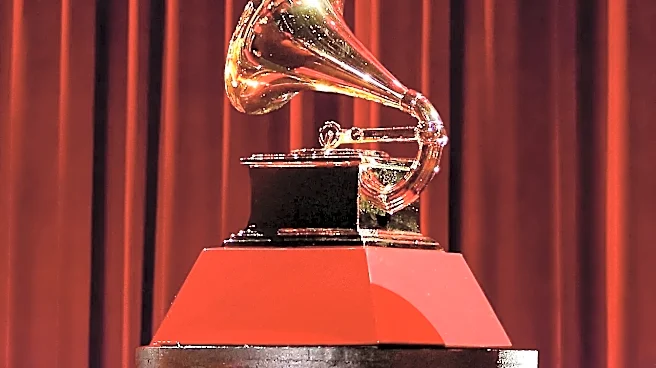
The challenge for daily shows in the awards circuit isn't a sign of creative failure but a signal of a mismatch in evaluation. Award bodies are slowly beginning to recognize different kinds of excellence, with some adding more specific categories or honoring creators for their overall impact on the medium. For instance, the iHeartPodcast Awards honor pioneers and innovators for their body of work, a recognition that steps outside the single-episode judging model. Ultimately, the conversation highlights a broader truth about the podcasting industry: there is no single definition of "great." The genius of a daily podcast lies in its discipline, its utility, and its ability to become an indispensable part of a listener's life. The creative test they face is one of endurance and consistency—a marathon of excellence that deserves its own form of recognition, even if it doesn't always fit neatly into a trophy-shaped box.