

The Original Rebel Playground
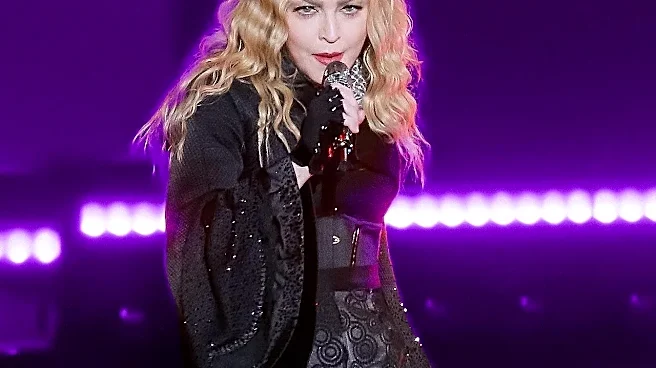
From its very first broadcast in 1984, the VMAs established a different set of rules. When Madonna writhed across the stage in a souped-up wedding dress singing "Like a Virgin," she wasn't just performing; she was creating a fashion earthquake. That moment
established the VMA red carpet not as a place for polite, elegant gowns, but as a stage for provocation. Unlike the prestigious Oscars or the formal Grammys, the VMAs were messy, unpredictable, and youth-driven. This anything-goes atmosphere gave artists permission to use clothing as an extension of their music videos—as character, as rebellion, and as a guaranteed way to get people talking.
Shock Value as Personal Brand
By the late '90s and early '00s, artists had mastered the art of VMA shock value as a branding tool. These weren't just outfits; they were declarations. Lil' Kim's iconic one-breasted purple jumpsuit in 1999 was a masterclass in audacious self-expression that is still talked about decades later. Similarly, Britney Spears performing with a live python in 2001 wasn't merely an accessory choice; it was a visual shorthand for her transition into a more mature, daring pop star. Then came Lady Gaga's 2010 meat dress—a statement so bizarre and unforgettable that it was named a top fashion moment of the year. These artists understood that a single, jaw-dropping VMA look could cement their image in the public consciousness more effectively than a dozen interviews.
The Modern Era of Viral Moments
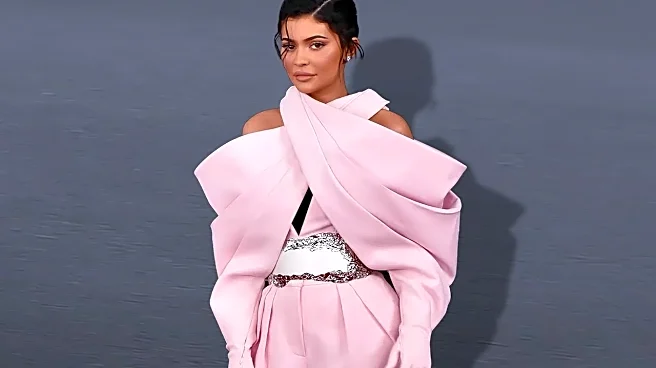
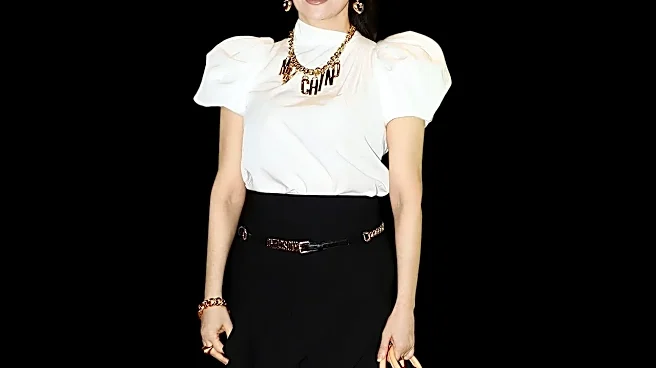
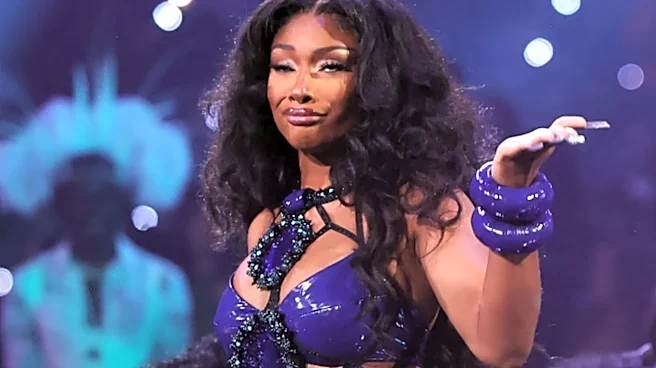
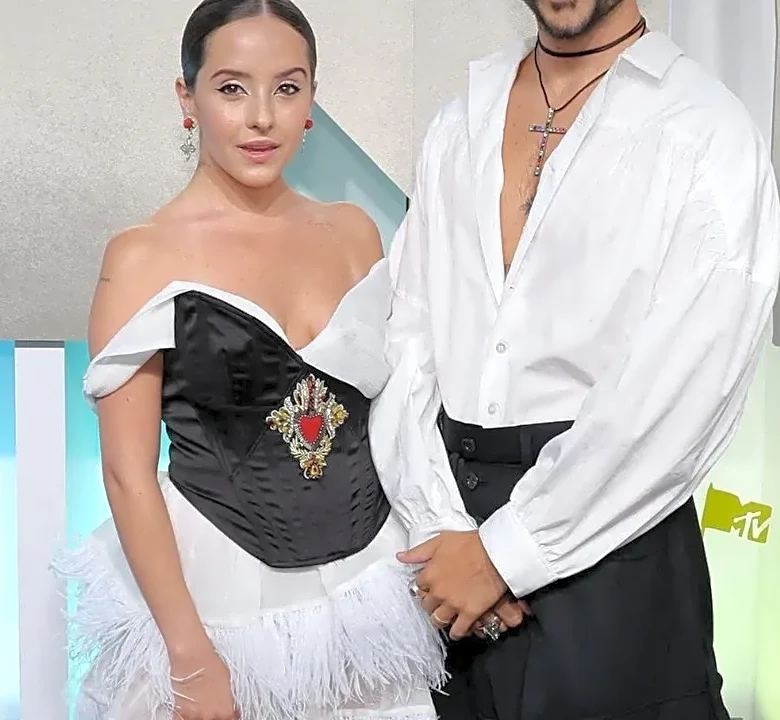
Today, that influence is amplified by social media. A standout look no longer just makes the next day's papers; it becomes a meme, a TikTok trend, and a global conversation within minutes. While some argue the show has lost some of its old chaos, its function as a trend incubator persists. The 2025 VMAs, for example, saw a wave of sheer fabrics, vintage revivals, and gender-fluid tailoring, with artists like Tate McRae and Ariana Grande showcasing looks that were immediately dissected online. These trends don't exist in a vacuum; they reflect and propel wider movements in fashion, proving the VMA red carpet is still a reliable barometer for what's next. Tributes to past VMA icons are also common, with newer artists referencing legends like Britney Spears and Madonna, creating a cross-generational fashion dialogue.
The Sweet Spot Between Art and Anarchy
So why do the VMAs maintain this unique power? It’s because the show occupies a special cultural space. The Met Gala is about high-concept couture, often feeling more like a costume party where the theme is the real star. The Grammys and Oscars are industry events that call for a certain level of formal respectability. The VMAs, however, are for the fans. The show prioritizes performance and personality over prestige, making fashion a tool for connection and spectacle rather than just an exercise in style. This casual, rebellious spirit encourages artists to take risks they wouldn't dare take elsewhere, creating a perfect storm for unforgettable crossovers between their music and their style.