


The Ghost of Oxfords Past
To understand the disagreement, you have to know what the purists are chasing. The original mid-20th-century Oxford Cloth Button-Down (OCBD) is the stuff of menswear legend. Popularized by Ivy League students and icons like Paul Newman and Miles Davis,
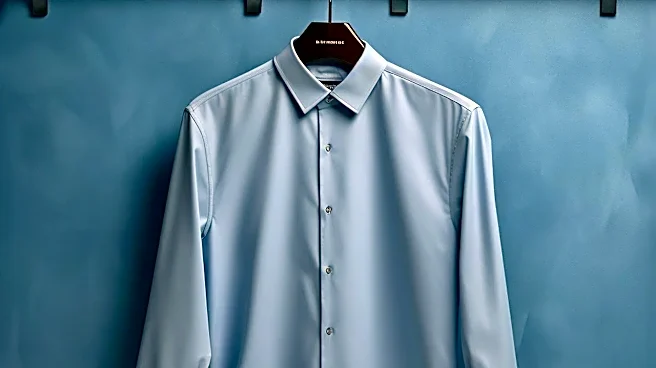
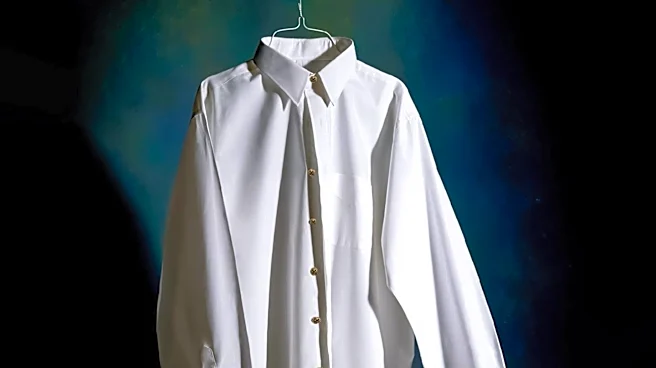
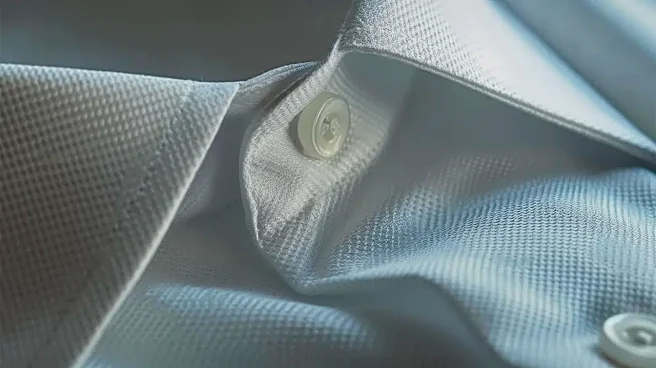
its appeal was rooted in its substance. The fabric itself, a type of basket weave, was hefty and durable, designed to be worn, washed, and worn again, softening beautifully over time. The most fetishized detail was, and still is, the collar. Unlined and unfused with adhesive, it had long points that created a distinct, elegant “S” curve known as the collar roll. This wasn't just a shirt; it was an American-made product built for the long haul, a stark contrast to many of the shirts hanging in closets today.
How the Standard Shifted
The core of the disagreement stems from the massive shifts in clothing manufacturing over the past few decades. As production moved overseas to cut costs, the classic Oxford began to change. The once-heavyweight cloth was often replaced with lighter, thinner fabrics, sometimes blended with polyester to keep prices down. The revered soft, unlined collar was swapped for a fused version, where an adhesive interlining creates a stiffer, flatter look that’s faster to produce but lacks the potential for that signature roll. For many designers and longtime enthusiasts, these changes represent a fundamental decline in quality. They argue that a shirt designed to last 30 or 40 washes is a pale imitation of its predecessor.
The Purist's Position: It's All About the Roll
For one camp of designers, “quality” is non-negotiable and refers directly to the original formula. They are the keepers of the flame, arguing that a true Oxford must have a substantial, 100% cotton fabric and, most importantly, a soft, unlined collar with a perfect roll. They see the modern, mass-market Oxford as a compromised garment. To them, the thin fabric that pills after a few washes and the stiff, flat collars that refuse to curve gracefully are evidence that the soul of the shirt has been lost. This group believes the tactile feel, the durability, and the specific, almost architectural detail of the collar are what define the shirt. Without them, it’s just another button-down.
The Pragmatist's Rebuttal: Quality Means Modern Wearability
The other side of the aisle is populated by pragmatists who argue the definition of “quality” has simply evolved. They contend that the heavier, billowy Oxfords of the 1950s don't fit the modern lifestyle or physique. Today’s consumer often wants a slimmer fit that layers cleanly under a jacket, not the full cut of the past. These designers champion lighter-weight fabrics as being more comfortable for year-round and indoor wear. Some even see non-iron treatments, a horror to purists, as a quality-of-life improvement for the busy professional. This group also expands the definition of quality to include factors like ethical production and sustainability, arguing a fully traceable shirt from a brand like Asket might be of higher “quality” in a modern sense than a traditionally made one with an opaque supply chain.
The New Rules of a Classic
Ultimately, the debate isn't about a right or wrong answer but a fundamental split in values. Is quality about historical authenticity and robust construction, or is it about contemporary comfort, fit, and responsible manufacturing? The disagreement reveals that the Oxford shirt is no longer a monolith. There are now distinct categories: heritage-inspired OCBDs from niche brands that obsess over collar roll and fabric weight, and modern interpretations from mainstream labels that prioritize a slim fit and easy care. For designers, this means choosing a philosophy and serving a specific customer—the traditionalist who wants a shirt that feels like a piece of history or the modernist who wants a shirt that fits seamlessly into their life today.