



The Crucible of a Shootout
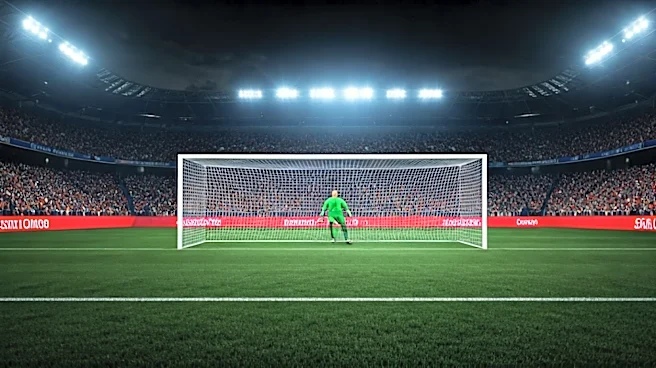
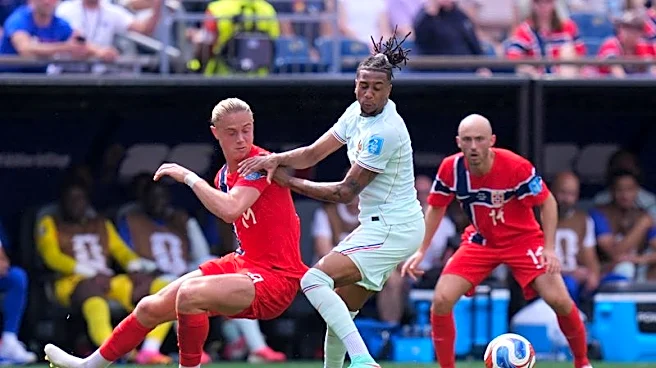
Before a single chant begins, the penalty shootout is already one of sport's most intense psychological scenarios. The sudden shift from a team-based game to a series of individual duels creates immense pressure. For the penalty taker, it's a lonely walk,
where the weight of a team's and a nation's hopes rests squarely on their shoulders. The body's natural fight-or-flight response kicks in, releasing adrenaline and cortisol. This can cause heart rates to spike, muscles to tense, and fine motor skills—essential for a precise kick—to deteriorate. This phenomenon, often called "choking," isn't a sign of weakness but a scientifically recognized moment where conscious overthinking interferes with an automatic skill. Instead of relying on muscle memory, the player starts to second-guess a movement they've practiced thousands of times.
The Kicker in the Crosshairs
Now, add the sound. Hostile chants, whistles, and boos from tens of thousands of fans are more than just background noise; they are a direct psychological assault. Research shows that negative crowd noise significantly reduces a kicker's accuracy. One study found that accuracy was notably higher in no-noise conditions compared to when players were subjected to negative sounds. This is explained by Attentional Control Theory, which suggests that anxiety caused by the noise hijacks a player's focus. Instead of concentrating on the ball and the target, their brain is forced to process the distracting, threatening stimulus of the crowd. This can lead to what sports psychologists call "avoidance behavior," where players under hostile crowd pressure make safer, more predictable choices, such as kicking toward the larger side of the goal if the keeper is slightly off-center, making their shot easier for a prepared goalie to save.
The Goalkeeper's Mental Edge
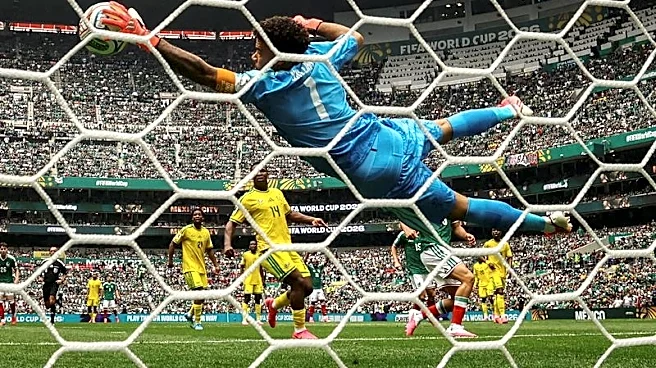
While the kicker faces a wall of sound designed to break their concentration, the goalkeeper is often buoyed by it. Supportive chants can foster a sense of social facilitation—the tendency for people to perform better on certain tasks when in the presence of others. The chants create an empowering atmosphere, reinforcing the idea that the goalie is the last line of defense for their tribe. Psychologically, the pressure is lower on the goalkeeper; they are not expected to save every penalty, so every save they make is a bonus. The hostile chants aimed at the opposing kicker can also serve the goalie, adding to the kicker's cognitive load and potentially giving the keeper a split-second advantage as they read the player's tense body language or hesitant run-up.
Weaponizing the 'Twelfth Man'
The rhythmic, repetitive nature of chants is key to their power. Studies on chanting in various contexts show that it can reduce mind-wandering and synchronize emotional states. In a stadium, this creates a powerful, unified wave of intent. For the home team, it's a source of strength and focus. For the visiting kicker, it's a suffocating blanket of pressure. This home advantage is a well-documented phenomenon in soccer. Studies have even compared games with and without crowds, such as during the COVID-19 pandemic, finding that home teams missed significantly more penalties when an audience was present, suggesting the pressure to perform for your own fans can also induce anxiety. Ultimately, teams that train to handle these specific psychological pressures, using tools like noise simulation and breathing routines, are better prepared.