
The Story and Brand Identity
Before a buyer even touches a garment, they absorb the story. A runway show isn't just a parade of clothes; it's a narrative. Buyers look for a clear, compelling vision that resonates with their store's
identity. Is the designer telling a consistent story season after season? Does the collection have a unique point of view that will connect with a specific customer? In a crowded market, a strong brand narrative helps a collection stand out. Buyers need to see that a designer isn't just making clothes, but building a world that shoppers will want to be a part of. This identity must be strong enough to justify its space on the retail floor among established global brands.
Wearability and The Real-World Test
The conceptual drama of the runway is one thing, but buyers are laser-focused on reality. After the show, they head to showroom appointments where they get to see the clothes up close. This is where the real evaluation begins. They touch the fabric, check the seams, and most importantly, see the items on a model to assess fit and movement. A key question is: how will this translate to a real person's life? An avant-garde silhouette might be edited into a more wearable version for the store. Buyers are constantly balancing a desire for newness with the practical needs of their clientele, who need clothes for work, weekends, and events.
The Numbers Game: Data and Sell-Through
Fashion buying is an art, but it's also a science driven by cold, hard data. Buyers come to Fashion Week armed with extensive sales reports from previous seasons. They know which styles, colors, and price points have performed well. This analysis is crucial for planning their budget and inventory. They ask questions like: Did a similar blazer sell out last fall? Is there a growing demand for a particular material? While they are looking for new trends, these decisions are heavily informed by past performance. This data-driven approach minimizes risk and helps ensure the products they invest in will actually sell.
Quality and Craftsmanship
In the showroom, quality is paramount. Buyers meticulously inspect the construction of each piece. They are looking at the quality of the fabric, the precision of the stitching, and the finish of the hardware. For luxury retailers, in particular, craftsmanship is a non-negotiable selling point that justifies a higher price tag. They are looking for garments that not only look good but are made to last. A buyer can spot the difference between a well-made piece and a shortcut from a mile away. This attention to detail is crucial for maintaining a store's reputation and ensuring customer satisfaction.
Trend Alignment and The 'It' Factor
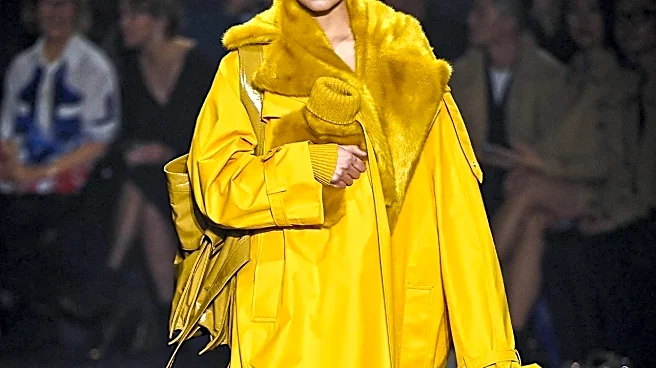
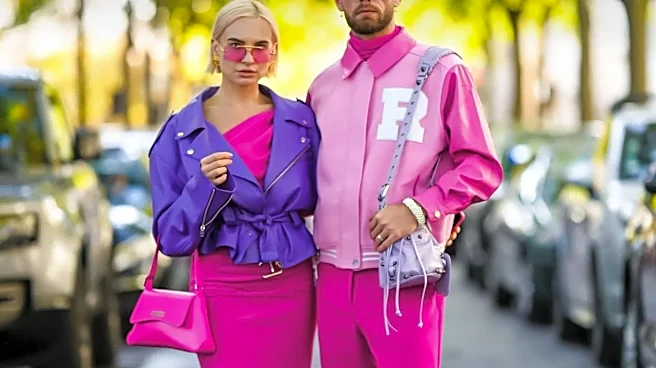
While data provides a safety net, buyers must also have a strong intuition for what's next. They are responsible for forecasting trends and identifying the key items that will define the upcoming season. This involves tracking everything from runway shows and street style to social media buzz. Is a certain color popping up everywhere? Is there a new silhouette gaining momentum? A buyer’s job is to pinpoint the commercial versions of these trends. They are looking for that one 'It' coat or must-have accessory that has the potential to go viral and drive sales, blending their creative instincts with market analysis.
Building a Cohesive Collection
A buyer isn't just purchasing individual items; they are curating a complete assortment for their store. Each piece must work together to form a cohesive and compelling story on the shop floor. They think like a stylist, considering how different pieces can be mixed and matched. Does this collection offer a variety of items, from statement pieces to essential basics? A buyer for a department store might need to ensure a new designer's collection complements the established brands it will sit alongside. The goal is to build a balanced and appealing wardrobe that makes sense to the customer from both a style and a financial perspective.