




Understanding the Unprecedented Scale
Forget everything you know about previous tournaments. The 2026 World Cup is the largest ever, with 104 matches played in 16 cities across three nations. The sheer geographic spread is the most important factor in your planning. The host cities are grouped
into three regions: West, Central, and East. The West includes Vancouver, Seattle, the San Francisco Bay Area, and Los Angeles. The Central region covers Guadalajara, Mexico City, Monterrey, Dallas, Houston, and Kansas City. The East is home to Atlanta, Miami, Toronto, Boston, Philadelphia, and the New York/New Jersey metro area. Trying to see it all is impossible; the smart strategy is to pick a region and dive in.
Strategy 1: The 'Home Base' Experience
For most casual fans, the best approach is to choose one city as a home base. This strategy minimizes travel headaches and maximizes your enjoyment. Pick a city with a vibe you love, book your lodging early, and soak in the atmosphere. You can try to score tickets for whatever match is in town, but even without a ticket, the experience will be electric. Every host city will have official FIFA Fan Festival sites with giant screens, food, and entertainment, allowing you to celebrate with thousands of fans from around the globe. Cities like New York, Los Angeles, Miami, and Vancouver are not just match sites but world-class tourist destinations, ensuring you'll have plenty to do between games.
Strategy 2: Follow Team USA
If your goal is to cheer on the U.S. Men's National Team (USMNT), a different strategy is required. The USMNT will play its three group stage matches exclusively on the West Coast, starting in Los Angeles before heading to Seattle and then back to L.A. This makes planning a trip to follow the team relatively straightforward for the opening round. After the group stage, however, the knockout rounds could send them anywhere across the continent. This path offers a more focused soccer experience but requires greater flexibility and a bigger travel budget as the tournament progresses. Be prepared for last-minute flights and hotel bookings if the U.S. makes a deep run.
A Quick Word on Tickets
Getting tickets is a marathon, not a sprint. The process is handled exclusively through FIFA's official website and occurs in multiple phases, often starting more than a year before the tournament. Many of the initial lottery and sales phases have already passed. Your best bet now is to keep an eye on FIFA's official last-minute sales phase, which operates on a first-come, first-served basis. There will also be an official resale platform for fans to sell tickets they can no longer use at a regulated price. Avoid unofficial third-party sellers, where prices are inflated and authenticity isn't guaranteed. Be prepared for high demand and even higher prices for marquee matchups.
Navigating a Tri-Nation Tournament
For U.S. citizens, travel within the three host countries is relatively simple, but don't leave it to chance. You will need a valid passport. While U.S. citizens do not need a visa for short tourist trips to Canada or Mexico, it's crucial to check the latest entry requirements before you travel. If you plan to drive across borders, expect long wait times and be prepared with all necessary vehicle and personal documentation. For long distances, booking flights well in advance is essential, as airlines serving the 16 host cities will see unprecedented demand. Planning your travel logistics is just as important as securing a match ticket.
Embrace the Fan Fest Culture
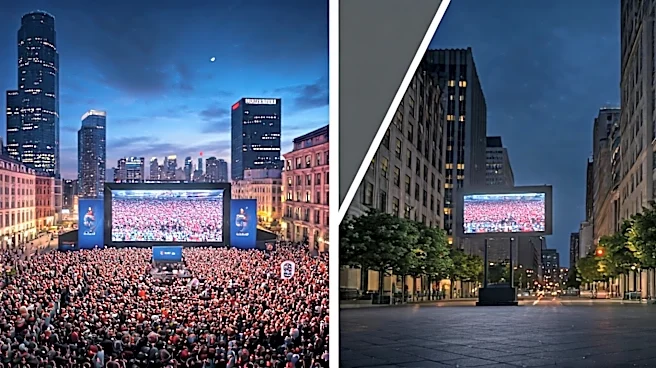
Even if you don't set foot inside a stadium, you can be part of the action. FIFA Fan Festivals are the heart of the World Cup experience for the millions without tickets. These large, free-to-enter zones will be set up in iconic locations in the host cities, featuring live match broadcasts on massive screens, musical performances, and cultural events. It's where you'll find the most diverse and energetic crowds, with fans from every participating nation celebrating together. From the USTA Billie Jean King National Tennis Center in Queens to the Rockefeller Center in Manhattan, these events turn the entire city into a stadium. For the casual fan, a day at the Fan Fest is often more memorable than the match itself.