





1. The 1950s: The Campus Original
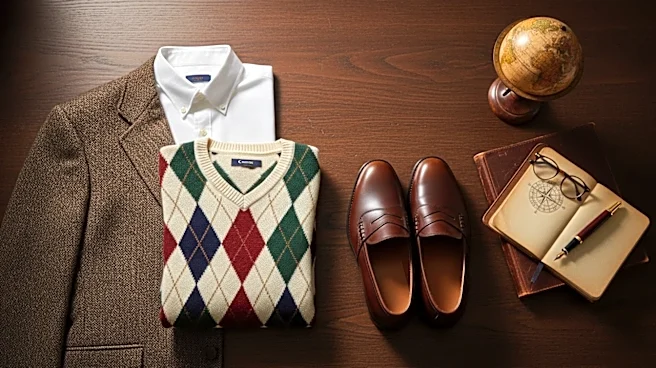
This is the ground zero of Ivy style, born on the campuses of the Northeast after World War II. The uniform was practical, comfortable, and a deliberate step away from the stiff formality of the previous generation. The outfit: a crisp Oxford cloth button-down
shirt, often a bit rumpled, paired with flat-front chino pants. On top, a Shetland wool sweater or a soft-shouldered tweed sport coat. On foot, the only choice was a pair of penny loafers, perhaps with argyle socks, completing a look that was relaxed but respectable, perfect for moving from the library to a lecture.
2. The Early 1960s: The Kennedy Era Polish
When John F. Kennedy entered the White House, he brought a version of Ivy style with him, lending it a new level of national sophistication. While his off-duty look was pure Hyannis Port preppy—khakis, polo shirts, and crewneck sweaters—his public attire streamlined the look for a global stage. The key outfit became the two-button suit in navy or gray, a modification of the traditional three-button sack suit. Paired with a clean white shirt and a slim, solid-colored tie, this was Ivy style adapted for power, projecting an image of youthful, modern American confidence.
3. The Late 1960s: The Rebellious Fade
As the counter-culture movement gained steam, the neat and tidy look of the Ivy League started to feel establishment and out of touch. The button-down uniform was challenged by the bright colors of the peacock revolution and the denim-and-fringe ethos of the hippies. For those who kept the faith, the Ivy outfit became a statement of tradition. The look remained—chino pants, loafers, polo shirts—but it was no longer the dominant youth style. It was during this period that the style began to recede from the mainstream, going underground before its eventual comeback.
4. The 1980s: The Preppy Handbook Boom
Ivy style came roaring back in the 1980s, but with a new name: preppy. Lisa Birnbach's 1980 bestseller, The Official Preppy Handbook, served as both a satirical guide and a genuine style bible that democratized the look. Suddenly, everyone could be a prep. This era's quintessential outfit was louder and more colorful. It involved a Lacoste or Ralph Lauren polo shirt (collar often popped), brightly colored corduroy or chino pants, and Sperry Top-Sider boat shoes worn without socks. Layering a sweater over the shoulders was the final touch on an outfit that was less about quiet taste and more about broadcasting social aspiration.
5. The 1990s: Grunge and Hip-Hop Interruption
The rise of grunge and hip-hop fashion in the 1990s pushed the polished preppy look to the cultural sidelines once again. Brands like Tommy Hilfiger, however, brilliantly merged preppy aesthetics with the oversized silhouettes of street style, creating a new hybrid. The classic Ivy outfit became an influence rather than a uniform. Think a student in a university sweatshirt paired with baggy jeans and work boots, or a polo shirt worn under a leather jacket. It was a decade of deconstruction, where the individual elements of Ivy—a blazer here, a pair of loafers there—were pulled apart and remixed into something entirely new.
6. The 2000s: The Indie Revival
At the turn of the millennium, Ivy style experienced a significant revival, thanks in part to a renewed interest from brands like J.Crew and Ralph Lauren. The look was cleaner and slimmer than its '80s incarnation, influenced by the rise of menswear blogs and a nostalgia for classic American style. The definitive outfit featured a slim-fit button-down shirt, a narrow repp tie, a well-tailored navy blazer, dark-wash denim or slim chinos, and classic loafers or desert boots. It was a return to the mid-century source material, but reinterpreted for a new, internet-savvy generation.
7. The 2020s: The 'Old Money' Remix
Today, Ivy style lives on under the social media-friendly banner of "Old Money Aesthetic" or "Quiet Luxury." It's less a strict uniform and more of a mood board, blending classic pieces with modern sensibilities. The 2020s outfit might feature an oversized rugby shirt paired with tailored trousers, or a vintage-style varsity jacket over a simple t-shirt and wide-leg chinos. Proportions are more relaxed, gender lines are blurred, and the focus is on quality, timeless pieces rather than head-to-toe branding. It’s Ivy style remixed for an era that values both authenticity and sustainability.