





The Graphic Is Just a Base Camp
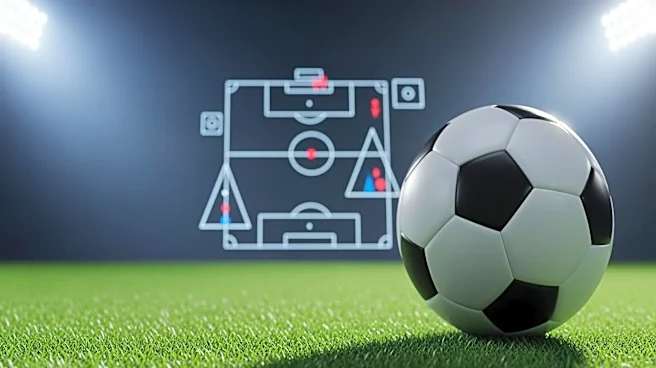
Think of the formation you see on TV as a team’s defensive home base. It’s the shape players are expected to return to when they lose the ball and need to get organized. A 4-4-2, for example, with its two solid banks of four players, is a simple, effective way to cover the width of the field and make it difficult for the opponent to play through you. It provides a clear reference point: “When we don't have the ball, this is where we need to be.” But soccer is a fluid, dynamic game defined by a constant struggle for space. Sticking rigidly to that shape for 90 minutes would be predictable and easy to defeat. So, while the 4-4-2 is the team's default defensive posture, it’s not the shape they use when they’re trying to create chances and score.
It’s a starting position, not a permanent state of being.
Every Team Plays at Least Two Formations
Here's the secret that unlocks the whole game: every team is really using (at least) two different formations. They have one shape for when they are out of possession (defending) and another for when they are in possession (attacking). The magic of modern soccer is in the seamless transition between the two. Take that defensive 4-4-2. Once that team wins the ball, the players’ roles instantly change. The two wide midfielders might surge forward to become wingers. One of the central strikers might drop deeper into the midfield to help link play. The fullbacks—the defenders on the outside—might bomb down the flanks to join the attack. Suddenly, that compact 4-4-2 has morphed into an expansive, aggressive 2-4-4 or 3-3-4. The players aren’t out of position; they are executing the team’s attacking plan. The moment they lose the ball, they are all coached to scramble back into that familiar defensive 4-4-2 shell.
It’s About Space, Not Just Numbers
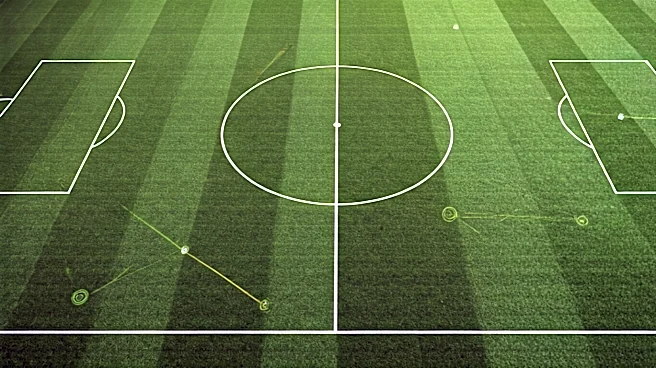
Ultimately, formations aren't about lining players up in pretty patterns. They are a tool for controlling space. When a team is defending, its formation is designed to be compact, denying the opponent space in dangerous areas, particularly in the center of the field in front of the goal. They want to shrink the pitch. Conversely, when a team is attacking, its shape is designed to do the opposite: make the field as big as possible. By pushing players wide and high, they stretch the opponent's defensive formation, pulling players out of position and creating gaps to run or pass into. The goal is to create one-on-one situations for their best attackers or to find an unmarked player in a scoring position. So when you see a winger hugging the sideline, they’re not lost; they are deliberately staying wide to pull a defender with them and open up a lane in the middle.
Players Who Break the Rules
To make things even more interesting, modern soccer is filled with player roles that intentionally defy traditional formations. You might hear commentators mention an “inverted fullback.” This is a defender who, when his team has the ball, drifts into the central midfield instead of running down the sideline. This overloads the middle of the pitch, giving his team a numerical advantage and better control of the game’s tempo. From a defensive 4-3-3, this single player’s movement can transform the attacking shape into a 3-2-5. Similarly, a “false nine” is a striker who, instead of staying up high near the opponent’s goal, drops deep into the midfield. This creates a dilemma for the defenders marking him: do they follow him and leave a massive gap behind them for another attacker to run into, or do they let him go and allow him to dictate play from deep? These fluid roles are why what you see on the pitch so often looks nothing like the simple graphic you saw at the start.