
The Old Supporting Role
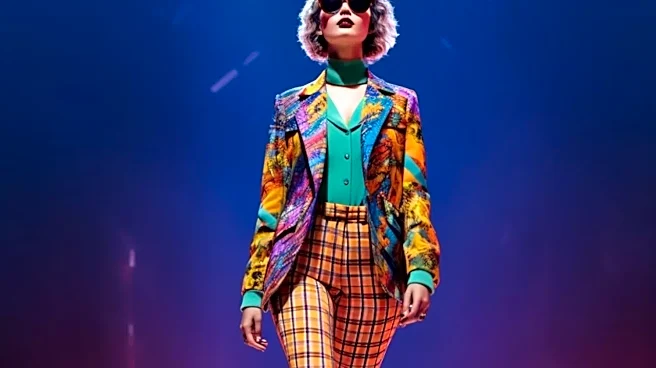
Traditionally, a collection began with a silhouette, a color story, or a particular textile. A handbag, a shoe, or a necklace was created to complement the clothes. They were essential but secondary, designed to complete a look rather than define it.
Think of Coco Chanel’s advice to take one thing off before leaving the house; accessories were often seen as beautiful, yet potentially superfluous, details. This hierarchy was clear: clothing was the statement, and accessories were the punctuation. They were commercially vital—often the entry point for luxury consumers—but creatively, they were rarely the starting point of the entire show.
The Rise of the Main Character Accessory
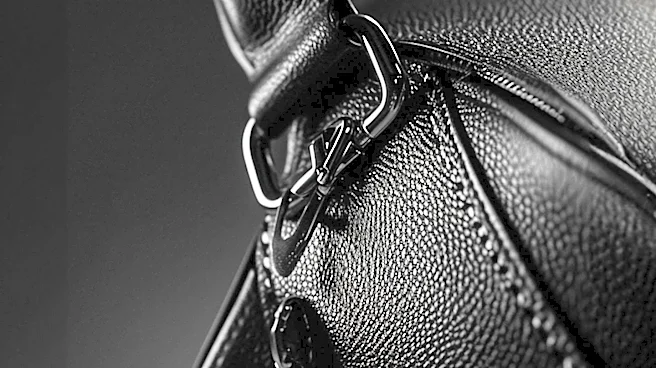
Recent seasons have flipped that script entirely. Designers are now building entire collections around a single, powerful accessory concept. Look at the Fall/Winter 2026 shows, where accessories were consistently treated as the focal point rather than finishing touches. At Loewe, Jonathan Anderson has turned bags and shoes into surrealist art pieces, from oyster shell bucket bags to inflatable scarves that dictate the wearer's entire silhouette. Similarly, at Schiaparelli, Daniel Roseberry’s anatomical jewelry—golden lungs, eyeball-adorned bags, and nose-shaped earrings—are not just additions to the clothes; they are the story, referencing the house's surrealist DNA in a way that feels utterly modern. These pieces are so conceptually dominant that the garments they're paired with often serve as a canvas for the accessory's narrative.
The Viral Moment and Commercial Logic
So, why the change? Two major forces are at play: social media and commercial strategy. In the age of Instagram and TikTok, a single, bizarre, or breathtakingly beautiful accessory can generate more online buzz than an entire ready-to-wear collection. A shoe that looks like a lily pad or a bag that appears to be a crumpled piece of metallic paper creates a viral moment that is instantly shareable and meme-able. This was evident in the Fall 2026 collections, where designers used bold accessories to grab attention. Furthermore, accessories are the commercial engine of the luxury fashion industry. While few can afford a runway coat, many can aspire to a statement belt, a pair of oversized sunglasses, or a unique piece of jewelry. By making the accessory the hero, brands create a powerful object of desire that is more accessible and has a broader market, driving sales while cementing the brand’s creative vision in the public consciousness.
From Bold Concepts to Wearable Ideas
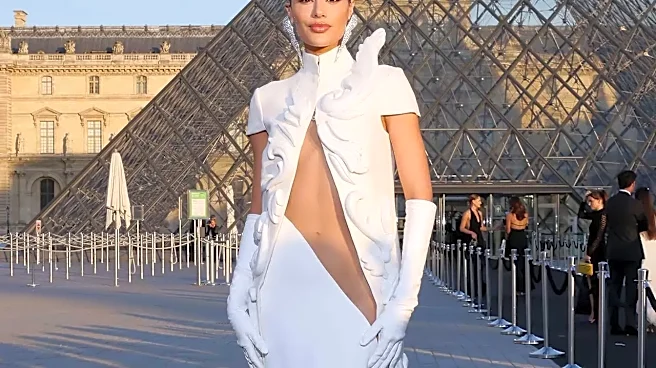
This trend isn't just about surrealist, unwearable objects. It's also about elevating everyday accessories to a conceptual level. The Fall/Winter 2026 season saw a rise in statement brooches, opera gloves in bold colors, and dramatic, oversized hats that commanded attention. At Bottega Veneta and Celine, classic pocketbooks were reimagined with a slightly “off” or twisted sensibility, making a familiar object feel new. Designers are encouraging a more-is-more approach, layering necklaces and stacking bracelets in a way that feels intentional and personality-driven. This shift empowers consumers to see their own accessories not just as decorations, but as tools for storytelling. A simple outfit can be completely transformed by a sculptural earring or a vividly colored silk scarf, turning the wearer into their own creative director.