



The Art of Studied Nonchalance
The magic behind the effortless elegance seen on the streets of Florence has a name: *sprezzatura*. Coined in the 16th century by Baldassare Castiglione in *The Book of the Courtier*, it’s the art of making difficult things look easy, of concealing the effort behind a masterful
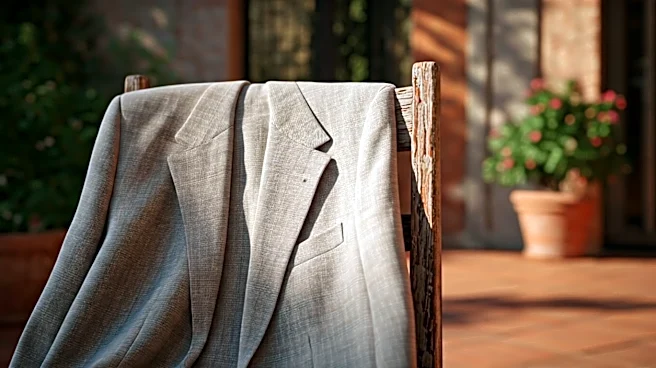
performance. For the attendees of Pitti Uomo, this isn’t just an affectation; it’s the guiding principle of getting dressed. An outfit that looks “studied” is one where every piece has been considered—the color palette, the textures, the proportions. But an outfit that looks “stiff” is one where that consideration is too obvious. Sprezzatura is the antidote to stiffness. It’s the deliberately unfastened button on a jacket cuff, the artfully rumpled linen, the tie askew just so. It signals that while you know the rules of style, you’re confident enough to break them with a wink.
Soft Tailoring Over Stiff Armor
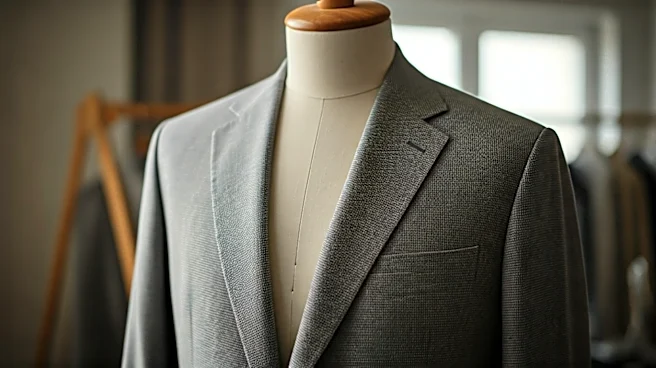
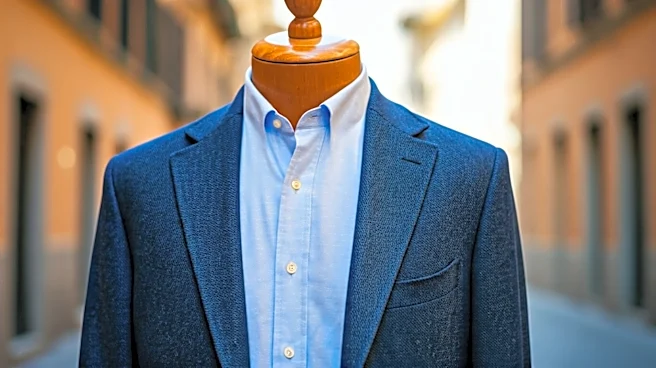
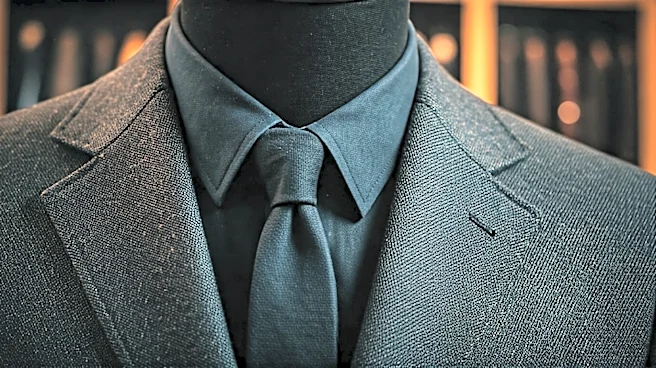
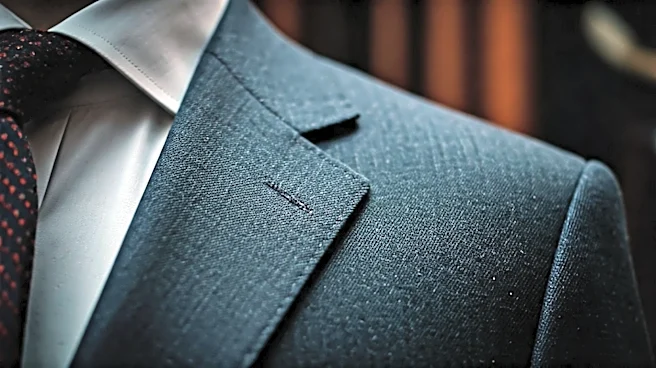
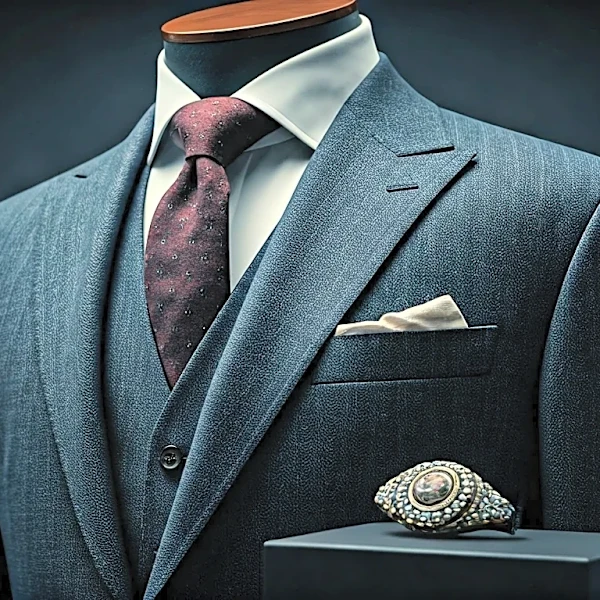
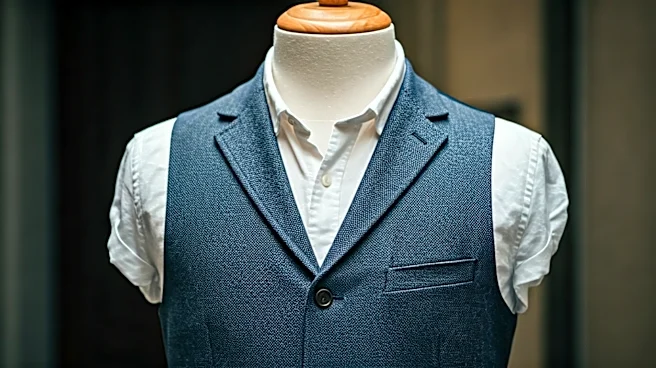
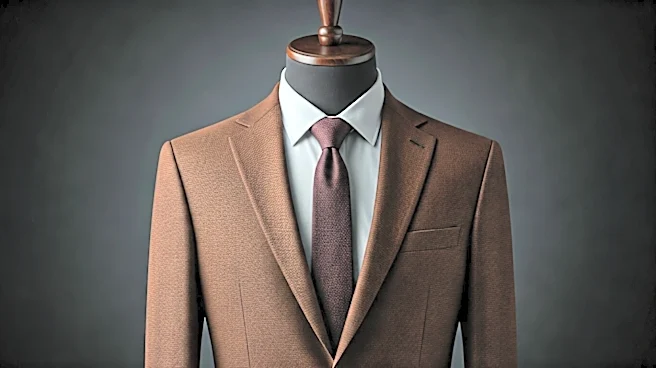
One of the biggest visual cues separating the Pitti look from standard corporate attire is the tailoring. American and British suiting often favors a structured silhouette—padded shoulders, a canvassed chest, and a defined waist that creates a sense of formal armor. The Italian tradition, particularly the Neapolitan school that heavily influences the Pitti aesthetic, is the polar opposite. These are jackets with soft, unpadded, “natural” shoulders that follow the line of the body. They are often unlined or half-lined, making them lighter and more breathable, allowing them to drape and move with the wearer. The result is a garment that feels less like a uniform and more like a second skin. It’s still tailoring, and it’s still sharp, but its inherent comfort and softness prevent it from ever looking rigid or restrictive.
The Harmony of High and Low
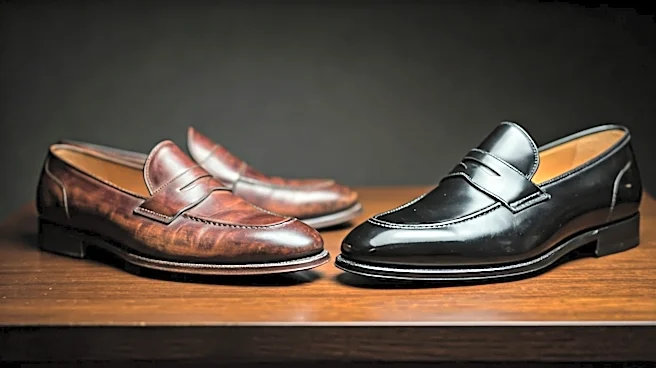
A man in a head-to-toe, perfectly matched designer suit can easily look stiff. A man in a flawlessly tailored blazer worn over a simple, well-loved t-shirt and a pair of faded jeans looks interesting. This mastery of mixing formal and informal elements—the “high-low” approach—is a cornerstone of the Pitti style. It’s about context and contrast. Think of crisp Gurkha trousers paired not with dress shoes, but with minimalist leather sneakers. Or a rugged field jacket thrown over a shirt and tie. This approach breaks the prescriptive rules of what “goes together,” replacing them with a more personal logic. It shows that the wearer isn’t just following a dress code; they’re building an outfit from a versatile wardrobe, using pieces from different worlds to create a look that is uniquely their own. This thoughtful clash is the very definition of “studied but not stiff.”
Personality in the Imperfections
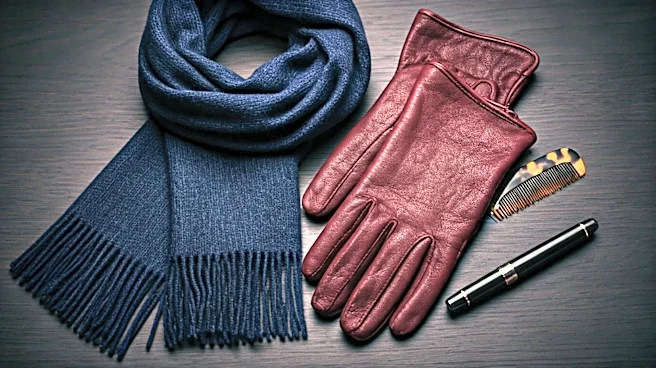
Ultimately, the difference between a studied outfit and a stiff one comes down to personality. A stiff outfit often looks like a costume borrowed from a catalog, devoid of life. The best Pitti outfits are full of it. This is achieved through the small, personal details that can’t be bought off a rack. It might be the way a scarf is tied, the choice of a vintage watch with a worn leather strap, or even a deliberate and confident color clash that technically shouldn’t work but somehow does. These are the elements that show a human touch. These intentional “imperfections” are what save a look from feeling robotic. They are the final layer of sprezzatura, a confident declaration that style is a form of self-expression, not a rigid set of instructions to be followed.