


First, What's the Difference?
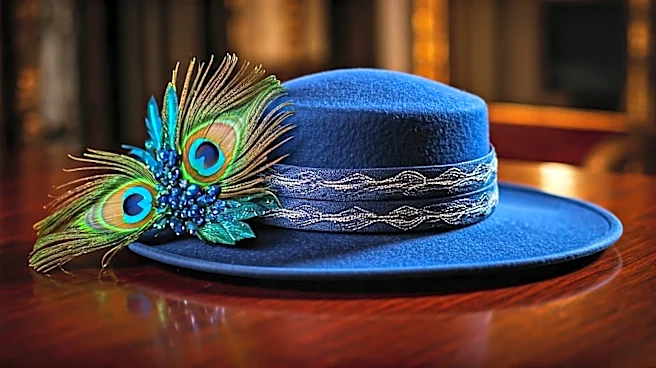
To the uninitiated, it’s all just "a thing on your head." But in the hallowed grounds of Royal Ascot, the distinction is critical. The official style guide for the prestigious Royal Enclosure—the most exclusive area—is famously specific. A fascinator,
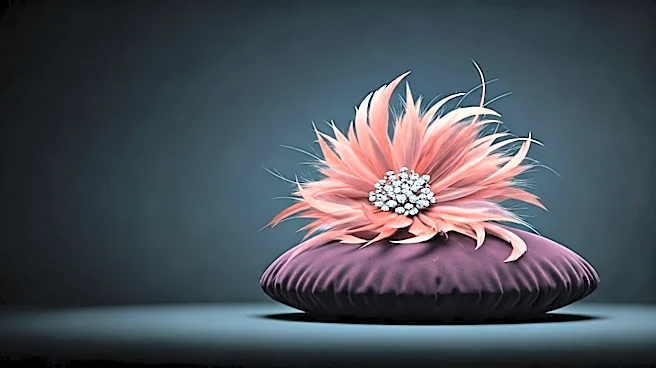
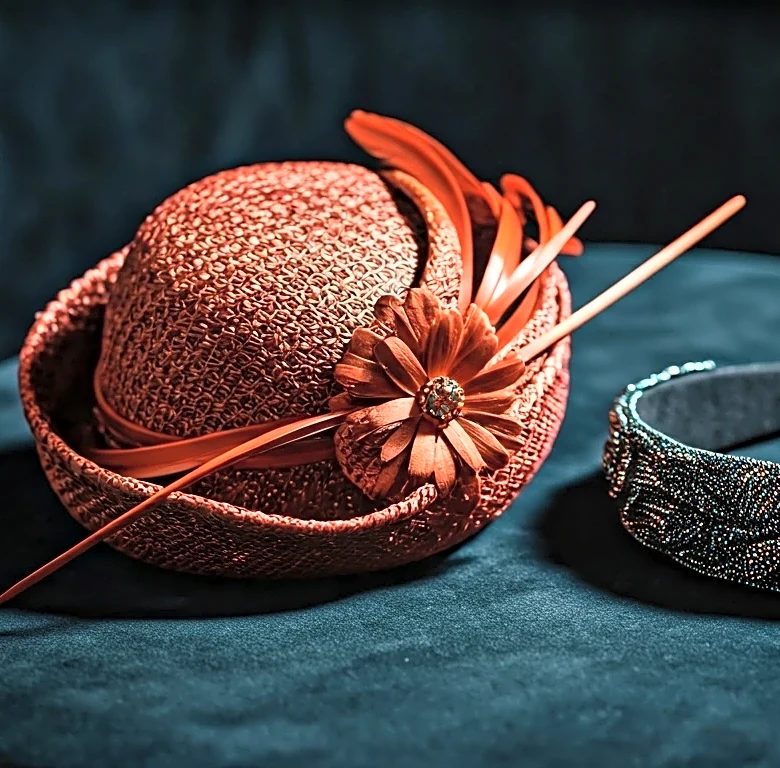
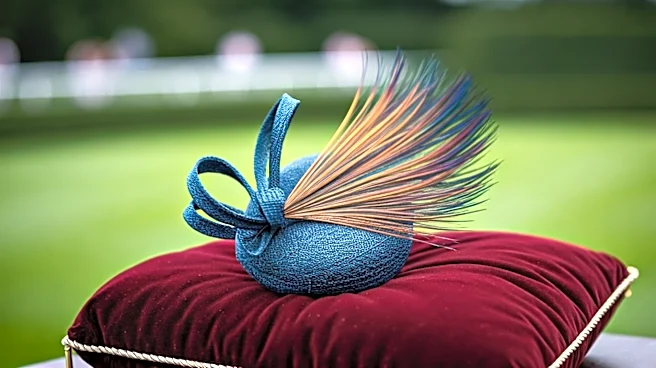
typically a small decorative piece clipped or perched on a headband, was officially banned from the Royal Enclosure in 2012. The rule mandates a headpiece with a solid base of 4 inches (10cm) or more in diameter. This single rule effectively draws the line between a whimsical, often feather-and-bead confection and what is considered a proper hat, or "millinery." For years, attendees in other enclosures gleefully embraced the fascinator as a playful, less cumbersome alternative. Now, even outside the strictest zones, a change is in the air.
The Long Reign of the Fascinator
The fascinator's peak in the 2000s and early 2010s was hard to miss. It became the go-to accessory for weddings and formal events, democratizing a tradition once reserved for the elite. They were fun, expressive, and often delightfully eccentric. Who could forget Princess Beatrice’s now-infamous Philip Treacy "pretzel" fascinator at the 2011 royal wedding? That piece, though widely lampooned, captured the spirit of the age: headwear as a conversation-starting, gravity-defying sculpture. Fascinators were less intimidating and often more affordable than a full-brimmed hat, making them an accessible entry point for women wanting to participate in the tradition without committing to the formality (or potential hat-hair) of a structured piece.
The Swing Toward Structure
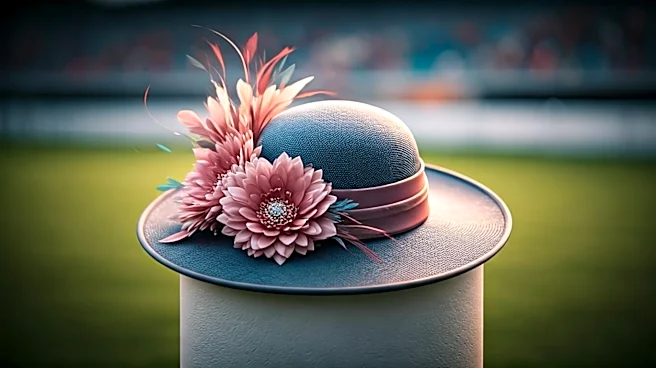
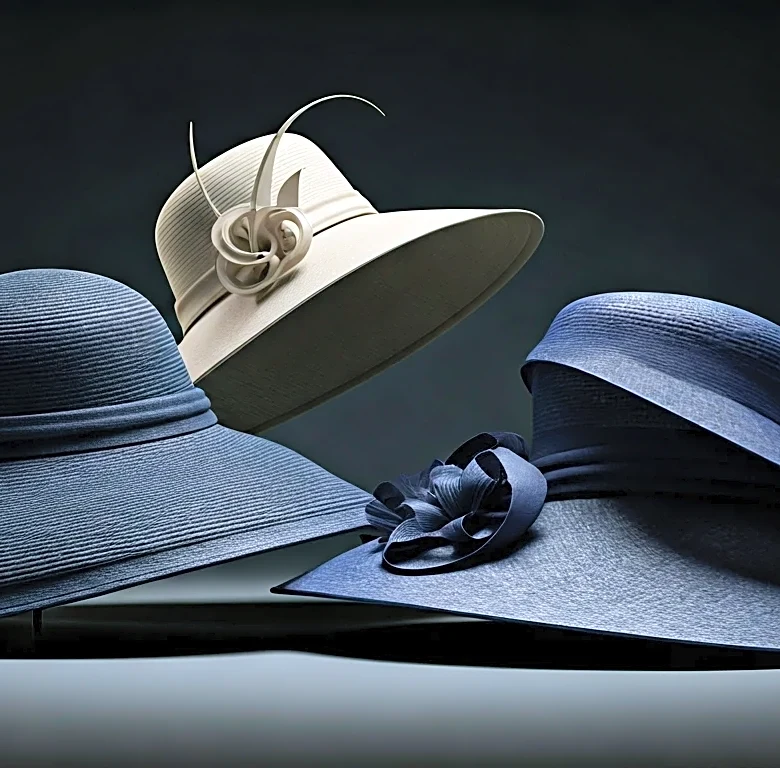
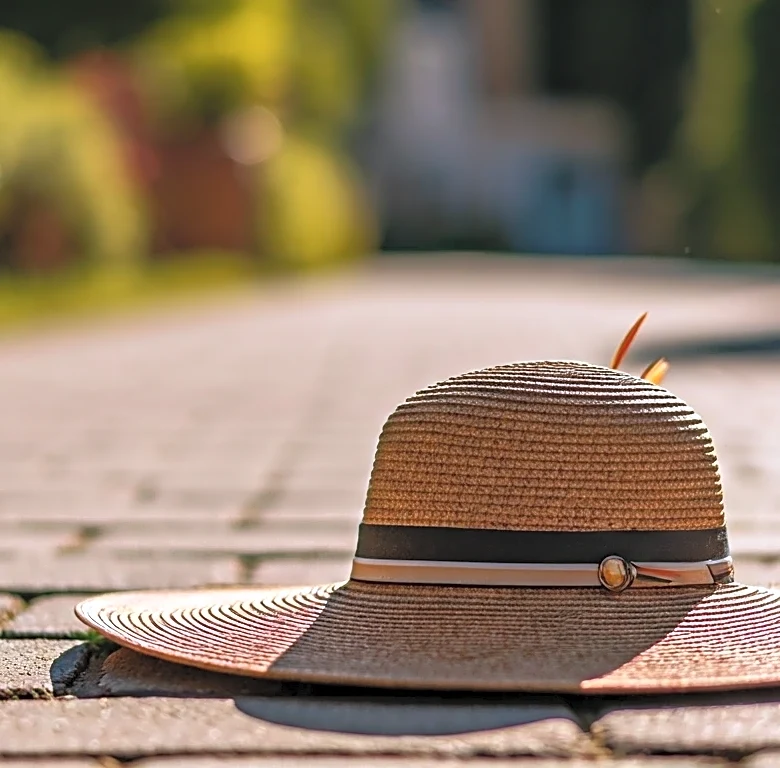
In recent years, however, a stroll through the crowds at Ascot reveals a different silhouette. The dominant look is now one of classic, confident structure. Wide-brimmed saucer hats, elegant boater styles, and sculptural, architectural pieces are reclaiming their prominence. The emphasis has shifted from quirky embellishment to the beauty of form, line, and material. These are not just head coverings; they are powerful statements of personal style, designed to balance an outfit and create a dramatic, polished look. Milliners report a surge in demand for bespoke, traditional hats over ready-to-wear fascinators. The new aesthetic is less about a playful flourish and more about embracing a timeless, almost cinematic elegance.
Why the Change? The 'Carolean' and COVID Effects
So, what's driving this quiet return to millinery? Two major cultural forces appear to be at play. First, the transition to the "Carolean era" under King Charles III has ushered in a subtler, more traditionalist tone. Queen Camilla and the Princess of Wales, Kate Middleton, consistently opt for elegant, structured hats, setting a powerful example. Their choices signal a preference for classicism over novelty. Second, there's the post-pandemic effect. After years of sweatpants and Zoom calls, there is a palpable public desire to dress up again—to make an effort and embrace the joy of formality. A grand, beautifully crafted hat is the ultimate expression of this sentiment. It telegraphs intention, polish, and a celebration of being present at a special occasion. The fascinator feels like a remnant of a more casual, ironic time, while a true hat feels like an investment in enduring style.