



The Monk of Haute Couture
To understand the final collection, you have to understand the man. Cristóbal Balenciaga was an enigma. While contemporaries like Christian Dior and Coco Chanel built public personas, Balenciaga remained in the shadows, giving only one or two interviews
his entire life, and both after he retired. His presentations were held in complete silence, without music or commentary, forcing the clothes to speak for themselves. He was a perfectionist, a master of cut, shape, and fabric who controlled every aspect of his creations. Peers called him "The Master of us all," a title he earned by treating fashion not as a spectacle, but as a severe and demanding art form. This intense privacy and uncompromising standard are crucial; for Balenciaga, the work was everything. A "personal" statement from him would never be verbal—it would be stitched into the very fabric of his designs.
A World He No Longer Recognized
By the late 1960s, the world of fashion was convulsing. The meticulous, expensive, and time-consuming traditions of haute couture were being challenged by the explosion of ready-to-wear. A new generation, the baby boomers, wanted clothes that were fun, accessible, and reflected the energy of the streets of London and Paris, not the cloistered salons of Avenue George V. Designers like Yves Saint Laurent, a Balenciaga protégé, were embracing this new model, launching their own prêt-à-porter lines. Balenciaga, however, refused. For him, fashion was an art of perfection, impossible to achieve through mass manufacturing. He saw a world trading artistry for disposability, and he lamented that creating true couture was becoming impossible.
The Silent, Sculptural Goodbye
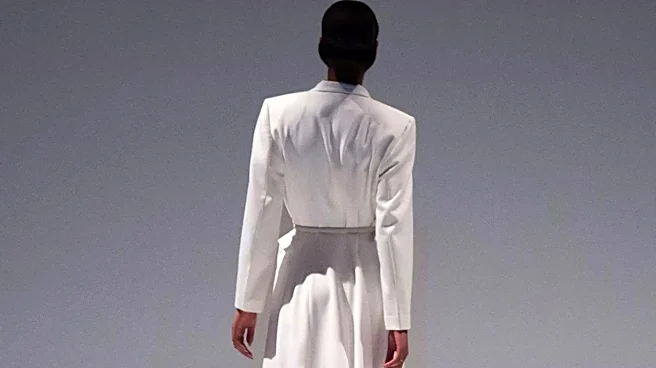
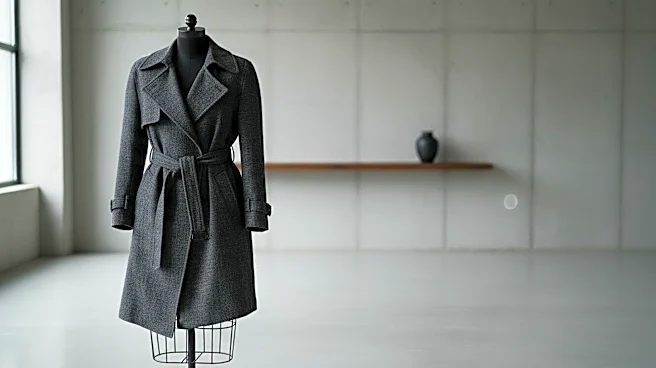
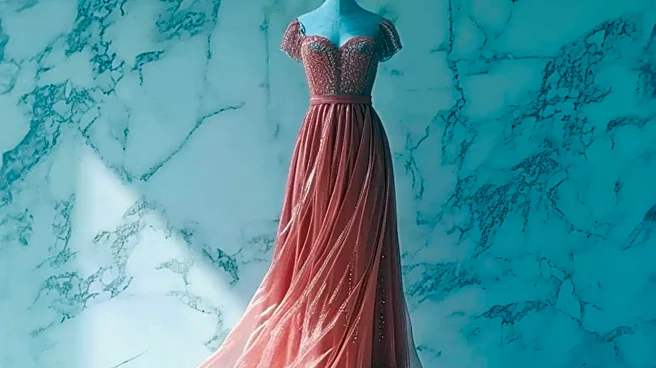
His spring 1968 collection, his very last, was not a fiery protest but a quiet, stubborn sermon. The designs were the purest distillation of his life's work. The silhouettes were simple, almost monastic, yet executed with breathtaking technical skill. He used fabrics like silk gazar, a material he developed with the Swiss firm Abraham, which was stiff enough to hold architectural shapes that stood away from the body, liberating it rather than restricting it. The collection featured minimalist wedding dresses, severe coats, and gowns with clean, unbroken lines—a stark contrast to the psychedelic prints and fleeting trends of the era. It was Balenciaga at his most essential: a statement of form over fuss, of timeless structure over temporary style. Each piece was a testament to his belief in the power of the cut, a final lesson from "The Master."
The Most Personal Act: Closing the Doors
More personal than the clothes, however, was the act that followed. In May 1968, without warning, Balenciaga closed his house. Employees and clients were stunned. The most powerful name in fashion simply ceased to exist overnight. There was no farewell tour, no licensing deal for a diluted version of his name. He just... stopped. This sudden, silent departure was the ultimate Balenciaga move. In a world that was getting louder and more commercial, he chose silence and integrity. He refused to compromise his vision or participate in a system he no longer believed in. By closing his doors, he preserved his legacy, ensuring his name would forever be associated with the uncompromising standards he upheld. It was the final, most personal design of his career: crafting his own perfect ending.