



The Centre Court Proving Ground
The 1980s were a fascinating era for tennis fashion, a time of iconic headbands, pristine white outfits, and the occasional rebellious catsuit, like Anne White's infamous 1985 getup. On-court glamour was part of the package for stars like Chris Evert
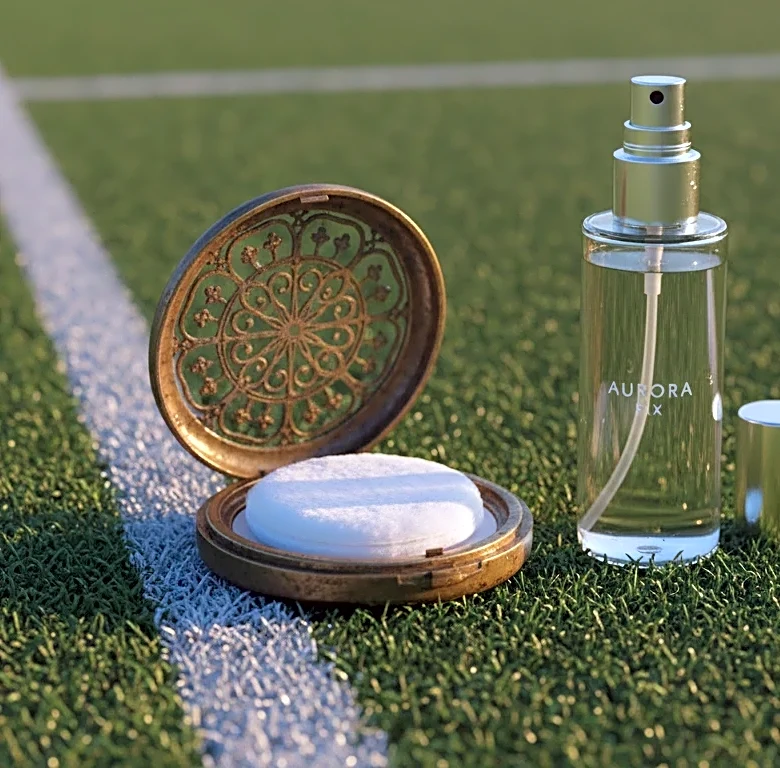
and Martina Navratilova. But for their makeup, Centre Court was less a runway and more a crucible. Between the high-stakes pressure, the physical exertion causing sweat, and the unpredictable English weather, any mascara was put through its paces. The archival footage tells a story of formulas that often couldn't keep up, leading to the dreaded smudge or streak long before the final set. These moments served as an accidental, high-profile demonstration of what happens when mascara meets its limits.
Water-Resistant vs. Waterproof: It's Not the Same
To understand the evolution, it’s crucial to know the lingo. "Water-resistant" and "waterproof" are often used interchangeably, but they represent different levels of resilience. A water-resistant mascara is designed to handle a degree of moisture—think humidity, sweat, or a few tears. It will hold up during a workout or a humid day but won't survive a swim. Waterproof mascara, on the other hand, is formulated for full submersion. Its formulation creates a much stronger barrier against water. The trade-off has historically been in the removal; waterproof formulas are notoriously stubborn and can require oil-based removers and a lot of rubbing, which can be harsh on delicate lashes.
From Waxy Pastes to Smart Polymers
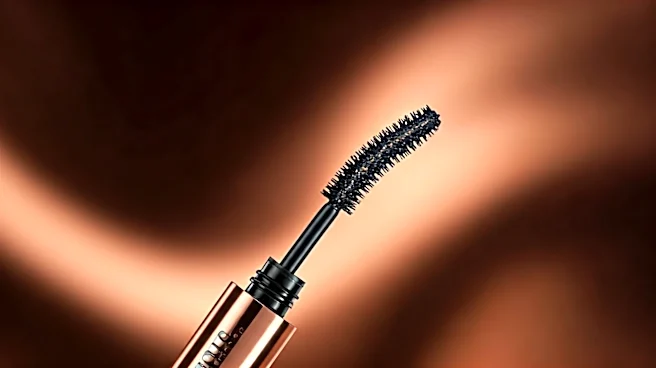
Mascara formulations have come a long way since the 1980s. Back then, many waterproof formulas relied heavily on waxes and oil-based ingredients that, while resilient, could be clumpy, heavy, and difficult to remove. The modern era has introduced "smarter" technologies, most notably tubing mascaras. Instead of painting lashes with pigment, these mascaras use flexible polymers to wrap each individual lash in a tiny, water-resistant "tube." This approach provides remarkable staying power against smudging and flaking. The real genius, however, is in the removal. While they stand up to sweat and humidity, these tubes slide off cleanly with just warm water and gentle pressure, eliminating the need for harsh scrubbing.
The Dermatologist's Playbook for Safety
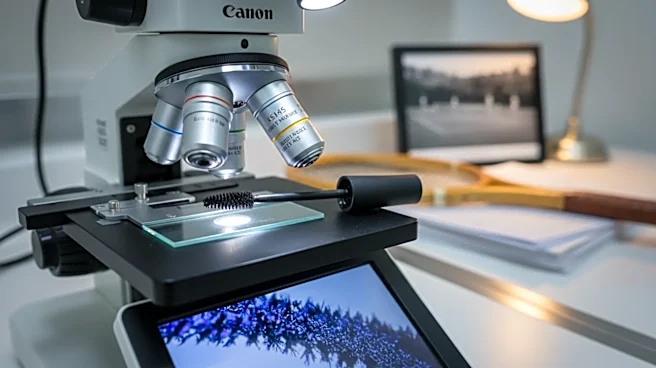
Today, the ultimate mascara test isn't on a tennis court but in a controlled, clinical setting. When a product claims it is "dermatologist-tested" or "ophthalmologist-tested," it means it has undergone rigorous evaluation for safety, especially for the sensitive eye area. This process involves human volunteers using the product under supervision over a set period. Specialists monitor for any adverse reactions like redness, stinging, itching, or swelling. For a "water-resistant" claim, testing might involve controlled exposure to water via immersion or misting, followed by an assessment of how well the product stays put. These standardized tests provide the scientific proof that a mascara is not only effective but also safe for daily use, even for those with sensitive eyes or who wear contact lenses.
What 'Smarter' Mascara Really Means
So, what makes a modern mascara truly "smarter"? It’s the combination of high performance and user-friendliness. The 1980s athlete had to choose between going bare-lashed or risking a makeup meltdown. Today’s consumer doesn't have to compromise. Smarter mascaras, particularly tubing formulas, leverage advanced polymer science to deliver on the promise of being smudge-proof and sweat-resistant while also being gentle. They are often formulated without common irritants and may even include conditioning ingredients that nourish the lashes. This evolution means you can get the same resilient wear required for Centre Court, but with the assurance of scientific safety testing and the convenience of effortless removal at the end of the day.