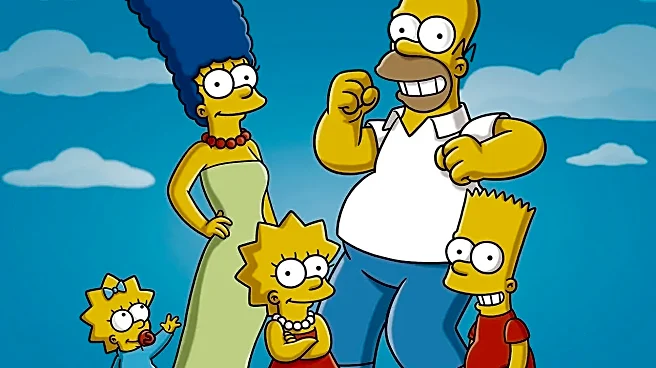






Every fall, 'The Simpsons' does something remarkable: it breaks all of its own rules. The annual 'Treehouse of Horror' special is a TV institution, a sacred space where the show gleefully abandons its sitcom formula for something much wilder.
Continuity Is Joyfully Obliterated
In a normal
'Simpsons' episode, the status quo is king. No matter the adventure, everything mostly resets. The 'Treehouse of Horror' episodes, however, treat continuity like a disposable prop. These stories are explicitly non-canon, giving writers a creative free-for-all. Characters can be killed off in gruesome fashion, the world can end, and Springfield can be overrun by zombies, only for everyone to be perfectly fine in the next week's regularly scheduled programming. This freedom is the bedrock of the entire concept. It originated as a trade-off for the writers, who found crafting three distinct seven-minute stories taxing; the ability to do anything without consequence was the ultimate creative appeasement.
Gore and Violence Get a Hall Pass
While regular episodes have their share of cartoonish slapstick, the 'Treehouse' specials operate on a different level of violence, inspired by the gory EC Comics of the 1950s. Groundskeeper Willie being dispatched with an axe in the back became a recurring gag. Characters are routinely dismembered, eaten, or transformed into monsters. This embrace of exaggerated morbidity is a core part of the appeal, allowing the show to satirize the horror genre authentically. The writers have noted that ideas often deemed too violent or bizarre for a standard episode find a perfect home in a 'Treehouse' segment. It's a controlled chaos that lets the show explore darker comedy that network standards would otherwise forbid.
Parody Becomes the Main Event
Many 'Simpsons' episodes contain pop culture references, but the Halloween specials turn parody into an art form. Entire segments are dedicated to lovingly recreating and lampooning iconic horror and sci-fi films and TV shows. Classics like 'The Shining' become 'The Shinning', 'A Nightmare on Elm Street' is reimagined with Groundskeeper Willie as the antagonist, and 'The Twilight Zone' is a constant source of inspiration. These aren't just quick jokes; they are often detailed, shot-for-shot homages that demonstrate a deep appreciation for the source material, from 'King Kong' to 'The Amityville Horror'. This focus allows the show to function as a satirical history of the horror genre itself.
The Fourth Wall Is Barely There
From the very first installment, the 'Treehouse of Horror' episodes have played with the boundary between the show and its audience. Early episodes featured Marge Simpson giving a directto camera warning about the scary content to come. The tradition of giving the cast and crew 'scary names' in the credits (like 'Bat Groening') further highlights the special's unique identity. This metaawareness is embodied by the alien duo Kang and Kodos. Initially introduced in the first special, they became an unofficial requirement for every Halloween episode, often appearing in brief cameos to laugh at the suffering of Earthlings. Their presence serves as a wink to the audience, a recurring signal that we are outside the normal reality of Springfield.
A Creative Sandbox for Writers
Ultimately, the 'Treehouse of Horror' breaks the rules because it was designed to. What started as a simple framing device of Bart and Lisa telling stories in a treehouse evolved into the series most creatively liberating tradition. The noncanonical, anythinggoes format gives writers a sandbox to test their wildest, most farfetched ideas without worrying about longterm consequences. It is a chance to be weirder, break out of the sitcom form, and push the boundaries of animation and storytelling. This annual creative reset has not only produced some of most memorable moments in the shows history but has also allowed 'The Simpsons' to stay fresh and relevant as a Halloween institution for over three decades.