
The Tyranny of the Schedule
New York Comic Con is an exercise in logistics. Fans descend on the Javits Center with a multi-page battle plan: get the exclusive Funko Pop at 10:00 AM, dash to the "Crystal Lake" premiere screening at 6:30 PM, and squeeze in a photo op with the cast
of "Smallville" in between. The official app becomes a sacred text, dictating a frantic path through overwhelming crowds. This structure is essential to navigating an event with hundreds of thousands of people and dozens of simultaneous panels, from Marvel's animation slate to a reunion of the "Brooklyn Nine-Nine" cast. Yet, this hyper-scheduling can turn an experience meant to be joyous into a checklist. The focus shifts from being present to simply getting to the next thing on time. When every moment is pre-planned, the experience, while exciting, becomes predictable. You know what's supposed to happen, and it usually does. But magic is rarely found on a spreadsheet.
The Potent Science of Surprise
Our brains are fundamentally wired to prioritize the unexpected. A scheduled event is something we anticipate; we've already spent the emotional and mental energy imagining it. A surprise, however, hijacks our attention completely. Neurologically, an unexpected positive event can trigger a dopamine release, the same neurotransmitter associated with reward and motivation. This chemical surge essentially tells your brain, "Pay attention! This is important." It acts like a highlighter, making the memory more vivid and emotionally resonant. Think of it this way: you might enjoy the scheduled "Blade Runner 2099" panel with Michelle Yeoh, but your brain has already processed the concept. If, during that panel, a legendary, unannounced actor from the original film walks out, that's a pattern break. Your brain's prediction fails, and in that jolt of surprise, a core memory is forged. The scheduled event becomes the backdrop for the truly unforgettable moment.
The Power of a Shared Secret
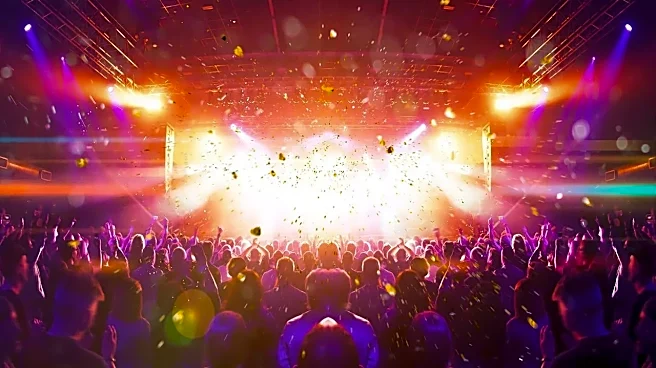
Surprise moments at a convention do more than just create individual memories; they build an instant, temporary community. Everyone in that room for the "Star Trek: Starfleet Academy" panel who gets to see a surprise guest becomes part of an exclusive club. It’s the ultimate "you had to be there" moment. In an age where every panel is live-streamed or uploaded to YouTube minutes later, being physically present for an unscripted event feels rare and special. It's the difference between watching a trailer drop online and being in a roaring hall of thousands as the lights go down for a world-first reveal. This sense of shared discovery creates a powerful bond. The gasps, the cheers, the stunned silence—it's a collective experience that can't be replicated. This social currency is a huge part of fan culture, transforming a personal memory into a piece of the convention's oral history.
When the Script Gets Flipped
Every veteran con-goer has a story. It might not be a blockbuster celebrity reveal. It could be seeing Matthew Lillard from "Scream" just walking the show floor, bumping into a legendary comic artist like Frank Miller in a coffee line, or witnessing a fan's heartfelt question in a Q&A that elicits a genuinely emotional, unscripted answer from a creator. Maybe it was the year a star, notorious for being private, decided to do an impromptu signing, or when a technical glitch forced the cast of a show to simply chat with the audience for ten minutes. These moments puncture the highly produced, commercialized facade of the event. They remind us that the people on stage and the characters they play are loved by real people, and sometimes, those real people do unexpected things. These are the human moments that stand out against the carefully managed spectacle.