




Beyond the Captain's Armband
The television broadcast will always zoom in on the player with the strip of fabric around their bicep, but true leadership is far more than an official title. A team captain can be a symbolic figurehead, but the players who actually steer the team through
90 minutes of chaos often go unnoticed by the casual eye. Leadership on the pitch is about influence, not just authority. It’s about who players look to when a goal is conceded, who they trust to organize them on a dangerous set piece, and who sets the emotional temperature of the team when the pressure is immense. It's a game within the game, played with gestures, shouts, and sheer force of will.
The Vocal Organizer
Listen closely during a lull in the crowd noise, or watch the defenders before a corner kick. You’ll find this leader. Often a center-back or a defensive midfielder, the Vocal Organizer is the on-field coach. [6] They are constantly pointing, shouting instructions, and arranging their teammates into the correct defensive shape. Their value isn't measured in goals or assists, but in the attacks they prevent before they can even start. They see the whole field and act as the central nervous system for the team, demanding accountability and ensuring everyone is connected. When you see a player barking orders, don't mistake it for anger; see it for what it is: the architecture of a solid defense being built in real time.
The Lead-By-Example Superstar
Some of the world’s greatest players aren’t the loudest. For superstars like Lionel Messi, leadership isn't about speeches; it's about action. [11] When your most talented player is the one tracking back on defense in the 85th minute or relentlessly pressing defenders, it sends an undeniable message to the rest of the squad: no one is too important to do the hard work. This leader inspires through their performance. They take the ball in tight spaces when others are afraid, they demand possession when the game is slipping away, and they produce a moment of magic that can turn a loss into a win. Their leadership is a quiet, gravitational pull, bending the team's collective will towards their own standard of excellence.
The Calming Veteran
The World Cup is an emotional pressure cooker. Teams can get frantic, making rash decisions and losing their tactical discipline. This is where the Calming Veteran becomes invaluable. This player is the master of managing the game's tempo. When the opponent is building momentum, they will find a way to get a “soft” foul, slow the play down, or simply hold onto the ball for an extra few seconds to let their team breathe and reset. They don’t panic. They’ve seen it all before, and their composure is contagious. On a young team, this presence is especially critical, acting as a steady hand that guides the squad through the inevitable turbulence of a do-or-die match.
America’s Test on Home Soil
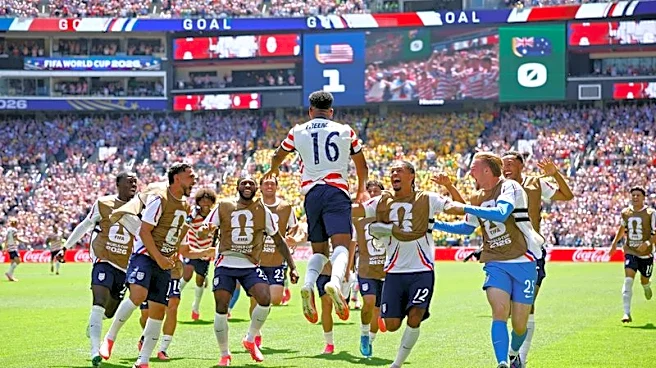
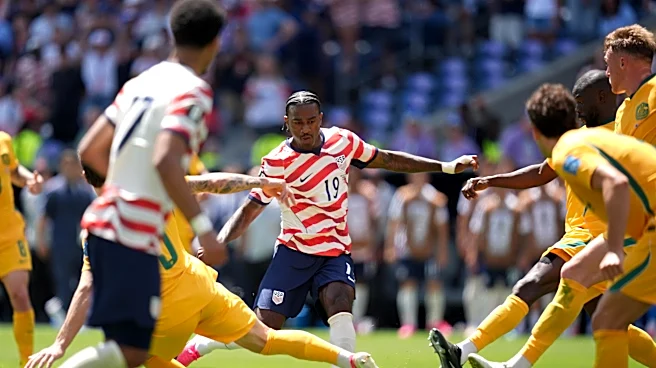
For the U.S. Men's National Team, the 2026 World Cup presents a unique leadership challenge on home turf. With the weight of national expectation, every player will be under scrutiny. Veteran defender Tim Ream, named captain for the tournament, embodies the calming presence so vital in these moments. [1, 5] At 38, he will be the oldest player to ever captain the USA at a men's World Cup, bringing decades of experience to a squad that needs his steady hand. [1, 2] But the burden won't be his alone. Players like Tyler Adams, known for his engine and tenacity, and Christian Pulisic, the team’s creative spark, will need to exhibit their own forms of leadership. [1] For the USMNT, success won't just depend on tactics; it will depend on how this core group manages the immense pressure of hosting the world.