




The Powder Play: An Oil-Absorbing Powerhouse
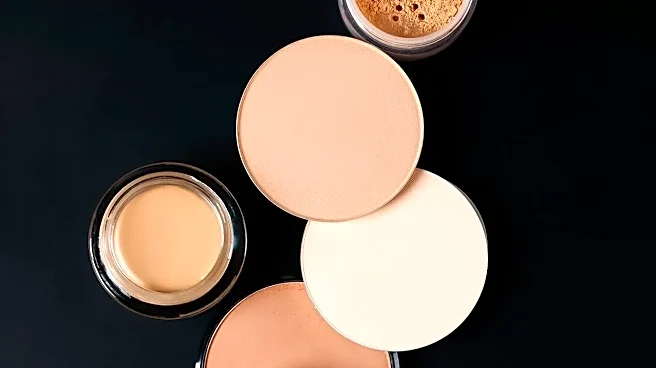
Think of setting powder as a microscopic sponge for your face. Its primary job is to absorb excess oil and moisture from liquid or cream makeup (like foundation and concealer), locking it in place. Available in loose or pressed forms, these finely milled
powders create a smooth, velvety texture on the skin, which is why they are a holy grail for anyone with oily or combination skin. By mattifying the skin and reducing shine, setting powder helps prevent your makeup from creasing or sliding off throughout the day. You can apply it broadly for an all-over matte look or strategically target your T-zone, under-eyes, or any other area prone to shine.
The Spray Solution: A Finishing Sealant
Setting spray, on the other hand, is a liquid mist that acts like a topcoat for your entire makeup look. Its function isn’t to absorb oil but to meld all the layers of your makeup—from foundation to blush to eyeshadow—into one seamless, cohesive finish. These sprays contain polymers that, when misted onto the skin, form a flexible, invisible film that locks your look in place, making it resistant to smudging, fading, and even sweat or humidity. Unlike powders, sprays can offer different finishes, from matte to dewy, giving the skin a more natural, less “made-up” appearance. This makes them particularly great for those with dry or mature skin, as they can add a dose of hydration and prevent makeup from settling into fine lines.
The Core Difference: Absorbing vs. Melting
Here’s the simplest way to frame it: powder absorbs, and spray seals. Setting powder is for control—it manages oil and shine, creating a stable, matte base. If your main complaint is that your face becomes an oil slick by noon, powder is your first line of defense. Setting spray is for finish and longevity—it bonds all the products together, gets rid of any powdery or cakey texture, and creates a durable shield over your makeup. If you want your makeup to look more like actual skin and last through a long event, a spray is what you need. One locks down the wet layers, while the other unifies the entire look.
Making the Choice: A Guide for Your Skin
The right product for you largely depends on your skin type and desired finish. If you have oily or combination skin, a setting powder is almost non-negotiable for controlling shine. Those with dry or mature skin will likely prefer the hydrating and skin-like finish of a setting spray, as powders can sometimes emphasize texture or dry patches. For a natural or glowy look, a dewy-finish spray is your best friend. For a completely shine-free, airbrushed appearance, a matte powder is the answer. Normal skin types have the flexibility to choose based on the finish they want that day.
The Pro Move: Using Them Together
For the ultimate bulletproof makeup, the best answer isn't choosing one over the other—it's using both. This is the technique most makeup artists use for looks that need to last for hours under any conditions. The standard order is to apply setting powder first, typically after your foundation and concealer, to set those cream products and absorb any initial oil. After you’ve applied all your other products like bronzer, blush, and highlighter, you finish with a light mist of setting spray over your entire face. The powder provides the shine control and structure, while the spray melts it all together, eliminating any powdery finish and locking everything in for the long haul. This combination gives you the benefits of both: the smoothness and oil control of a powder with the seamless, long-wearing finish of a spray.