






The Concrete Colossus of Santa Úrsula
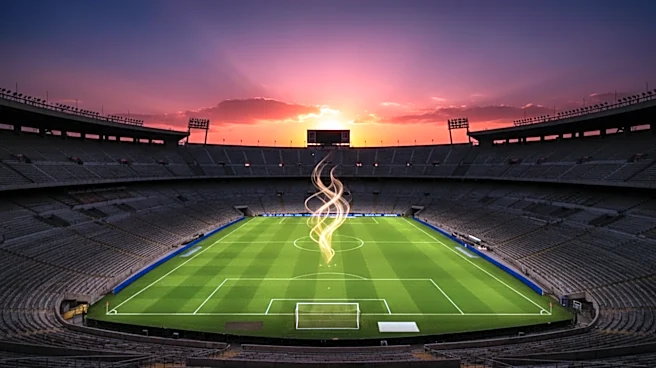
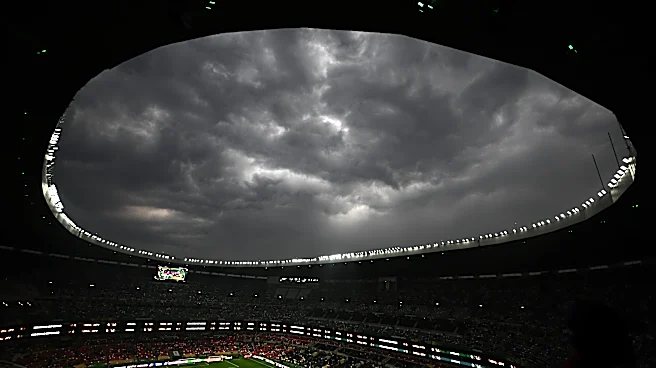
Before a single ball was kicked, the Azteca was an ambitious statement. Carved out of volcanic rock in the southern neighborhood of Santa Úrsula, the stadium was designed to be a modern marvel for the 1968 Olympics. With steep stands creating a cauldron
of noise and a cantilevered roof ensuring no seat had an obstructed view, it was built for intimacy on a colossal scale. Officially holding over 87,000 fans, its past iterations saw crowds swell to an almost unbelievable 114,000. The sheer scale, the dizzying altitude of 7,200 feet, and the roar of the crowd create an atmosphere that has intimidated opponents and inspired legends for over half a century. It's more than a venue; it's a fortress and a stage.
1970: The King is Crowned in Color
The 1970 World Cup was the first to be broadcast in color, and the Azteca was its star location. The tournament introduced the world to a brilliant Brazilian side, and it was on this pitch that they perfected their art. The final saw Brazil face Italy, and the game became a masterclass. Pelé opened the scoring with a powerful header, the first strike in a 4-1 victory. The final goal, a thunderous shot by captain Carlos Alberto after a sweeping team move, is considered one of the greatest in history. As Pelé was carried off the pitch on his teammates' shoulders, a three-time world champion, the Azteca was cemented as a place where footballing royalty is crowned.
1986: Divine Intervention and Human Genius
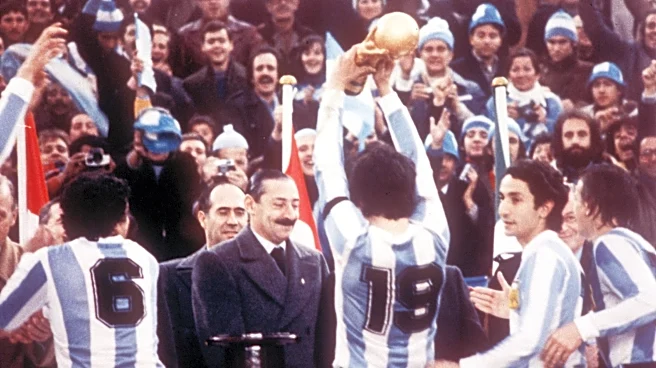
If 1970 was about a team's perfection, 1986 was about one man's transcendent, chaotic brilliance: Diego Maradona. The Azteca hosted two of the most famous games in soccer history, both starring the Argentine maestro. First, the quarter-final against England, a match thick with political tension. Here, Maradona scored two of the most iconic goals ever. The first was the infamous "Hand of God," a blatant act of gamesmanship; the second, minutes later, was the "Goal of the Century," a dizzying, miraculous solo run past half the English team. He would later lead Argentina to victory in the final against West Germany on the very same pitch, sealing his legend and the Azteca's reputation as a theater for the sublime and the controversial.
A Stage for More Than Soccer
While the World Cup defines its legacy, the Azteca's memory bank contains more than just soccer. It was the principal venue for the 1968 Olympic football tournament and hosted a groundbreaking women's World Cup in 1971, where the final drew a crowd of 110,000. It has hosted NFL games, a papal address by Pope John Paul II, and a legendary boxing match for Julio César Chávez that drew over 130,000 spectators. Each event added another layer to the stadium's cultural significance, making it a true centerpiece of Mexican public life.
The Third Act: A New Deposit of Memories
Now, the Colossus of Santa Úrsula is preparing for an unprecedented third act. In 2026, it will make history as the only stadium to host matches in three separate men's World Cups, including the tournament's opening game. For the tournament, it will be officially known as Mexico City Stadium due to FIFA sponsorship rules, but for fans, it remains the Azteca. After undergoing extensive renovations to its facade, seating, and internal facilities, the stadium is ready to welcome the world again. The question on every fan's mind is simple: What new moments of triumph, heartbreak, and genius will be deposited into football's greatest memory bank?