






Act I: Glory Under a Shadow
The drama begins in 1978. Argentina, hosting the World Cup for the first time, was under the grip of a brutal military junta. For the regime, the tournament was a massive propaganda opportunity. For the people, it was a desperately needed distraction.
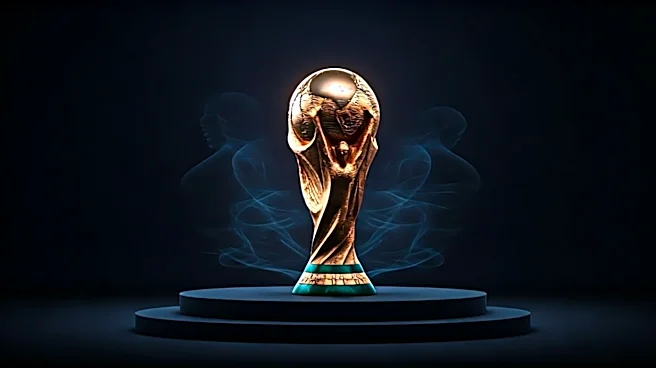
Led by the formidable striker Mario Kempes, the Albiceleste battled their way to the final against the Netherlands. They won in extra time, securing their first-ever World Cup. The nation erupted in genuine joy, but the victory will forever be complicated by its political backdrop. This moment established a core theme of Argentine soccer: triumph is never simple. It’s always intertwined with pain, politics, and immense pressure.
Act II: The Rise of a God
If 1978 was a complex victory, 1986 was a myth made real. The entire tournament belonged to one man: Diego Maradona. He wasn't just the team's best player; he was a force of nature, a flawed genius who could bend reality to his will. The quarter-final against England, just four years after the Falklands War, became his defining canvas. First, the infamous “Hand of God” goal, a moment of divine cheating. Minutes later, the “Goal of the Century,” a slaloming, hypnotic run that left half the English team in his wake. He dragged Argentina to the final and delivered their second World Cup. He wasn't just a hero; he was a messiah. And in doing so, he set an impossible standard for anyone who dared to wear the No. 10 jersey after him.
Act III: The Agonizing Near-Misses
What follows triumph? In this drama, it’s a cycle of heartbreak. In 1990, a battered and bruised Argentina, again led by Maradona, miraculously made it back to the final, only to lose a bitter, foul-plagued match to West Germany. It was the start of a long drought. The most painful echo of that loss came in 2014. Now, the messianic figure was Lionel Messi, the quiet genius who had conquered club soccer but remained unfulfilled on the international stage. In Brazil, he led his team to the final, again against Germany. A tense, scoreless match went to extra time, where a single German goal shattered a nation’s dreams. It was the same script, different generation: so close, yet so devastatingly far.
Act IV: The Burden of the Heir
For nearly two decades, the central tension of the story was Lionel Messi’s quest. He was undeniably one of the greatest players of all time, yet for many Argentinians, he wasn’t Maradona because he couldn't deliver that ultimate prize. The pressure was immense and suffocating. Argentina lost three consecutive major finals between 2014 and 2016 (the World Cup, followed by two Copa América finals). After one loss, a dejected Messi briefly retired from the national team. His pain mirrored the country's. The drama wasn't just about winning; it was about whether this generation’s hero could finally complete the script and lift the curse that his predecessor had inadvertently created.
The Final Act: Catharsis
Every great drama needs a satisfying conclusion. Argentina’s came in two parts. First, the 2021 Copa América, where Messi finally won his first major trophy with the senior team, defeating arch-rivals Brazil in their own stadium. The relief was palpable; the curse was broken. This set the stage for the 2022 World Cup in Qatar. It was Messi's last dance, and it was perfect theater. Argentina stormed to the final against France, played arguably the greatest final in history—a spectacular 3-3 draw—and won on penalty kicks. The image of Messi finally hoisting the World Cup trophy wasn't just a victory; it was the emotional climax of a 36-year national saga. It was the perfect, cathartic ending to a drama that had been on repeat for generations.