




Curate the Vibe, Don't Assign Readings
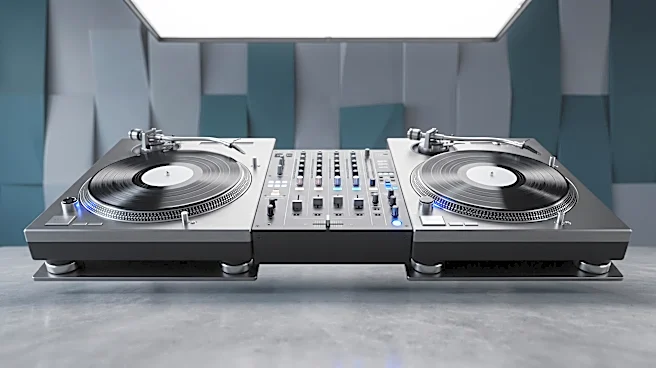
The foundation of any great party is the music. The goal is to create an atmosphere of appreciation, not a chronological lecture. Build a playlist that serves as a conversation starter, mixing eras and subgenres. Start with the pioneers honored on the show,
like Run-DMC or Queen Latifah, then blend in artists they influenced. Weave in some 90s G-funk, a little Dirty South, and even some contemporary hits that carry the torch. For decor, think subtle nods over a full museum exhibit. A few vinyl records used as placemats, some DIY graffiti-style place cards, or even just projecting classic album art onto a wall can create an immersive feel. The environment should say “celebration,” not “seminar.”
The Menu: A Tribute, Not a Thesis
Your food and drinks should be fun references, not footnotes. Name your dishes with a playful wink to classic tracks or artists. Think “Big Poppa’s Pulled Pork Sliders” or a cheese plate simply labeled “The Breaks.” Cocktails are an easy win; a classic “Gin and Juice” is a must, and you can create a signature drink for the night. For example, a cognac-based cocktail like “The Big Apple” pays homage to hip-hop's New York roots. The key is to serve food that’s easy to eat while mingling and watching the screen. Think finger foods, shareable platters, and desserts like cookies shaped like vinyl records or boomboxes. It’s about creating moments of delight, not a culinary dissertation on an artist's discography.
Spark Conversation, Don't Start a Pop Quiz
This is where the “no homework” rule is most critical. You want to engage your guests, from the deep-cut expert to the casual fan. Instead of asking intimidating trivia, create activities that invite participation. A “Name That Sample” game is a fun, low-stakes way to connect the dots between generations of music. You could also run a friendly lip-sync battle to iconic tracks from honorees. Another great option is creating simple bingo cards with squares for things like “shout-out to their borough,” “presenter wears a Kangol,” or “someone performs ‘U.N.I.T.Y.’” This keeps people watching actively but turns it into a communal game rather than an individual test of knowledge.
Dress Code: Style Over Stuffiness
Encourage guests to have fun with their attire without making it a mandatory, high-pressure costume party. Frame the dress code as an invitation to celebrate a favorite era. Suggest something like “90s Game Changers chic” in honor of the 2017 show, or simply “come dressed in the spirit of your favorite hip-hop legend.” This gives people creative freedom, whether that means rocking a classic tracksuit, a fly leather jacket, or simply their most comfortable and confident outfit. The point is self-expression, a core tenet of hip-hop itself, not a strict uniform that feels like another assignment.
During the Show: Host, Don't Teach
Once the main event—whether a classic Hip Hop Honors episode or a curated playlist of tribute performances—is rolling, your job is to facilitate enjoyment, not narrate it. Let the performances breathe. Save the deep dives and historical context for natural lulls in the action. If you have a friend who knows every detail about the Juice Crew, let them share organically rather than putting them on the spot. Your primary role is to ensure everyone has a drink, knows where the snacks are, and feels included in the energy of the room. A great host creates the space for appreciation to happen naturally, ensuring every guest leaves feeling like they just left the best party of the year, not a night class.