



The Playbook Has Changed
Not long ago, a celebrity at a sporting event was a fun, random cutaway. Today, it’s a core part of the marketing strategy. The prime example is the “Taylor Swift Effect” on the NFL. Her appearances at Kansas City Chiefs games weren't just a gossip column
footnote; they were a seismic cultural and economic event. The league saw a significant viewership spike among young women and teenage girls. Her presence reportedly generated hundreds of millions of dollars in brand value for the Chiefs and the NFL, as fans tuned in not just for the football, but for the real-life storyline unfolding in the luxury suite. Travis Kelce’s jersey sales skyrocketed nearly 400%, and a new demographic was suddenly fluent in football terminology. This proved that the right celebrity, in the right seat, could expand an audience and generate revenue in ways traditional advertising never could.
The World’s Biggest Stage Arrives
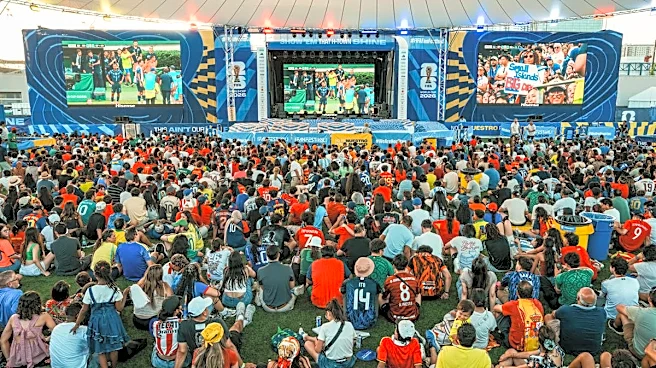
Now, imagine that phenomenon amplified on a global scale. The 2026 FIFA World Cup, hosted across the U.S., Mexico, and Canada, is the perfect stage. With key matches in celebrity-saturated markets like Los Angeles, Miami, and the New York/New Jersey area, the tournament is practically designed for A-list attendance. These aren't just any cities; they are the epicenters of American entertainment, finance, and culture. The World Cup offers a unique, month-long opportunity for stars to align themselves with an event that captures global attention, projecting an image of international relevance. Event organizers in host cities like Miami are already promoting luxury parties and celebrity-attended gatherings, setting the stage for a fusion of sports and spectacle.
The Politics of Placement
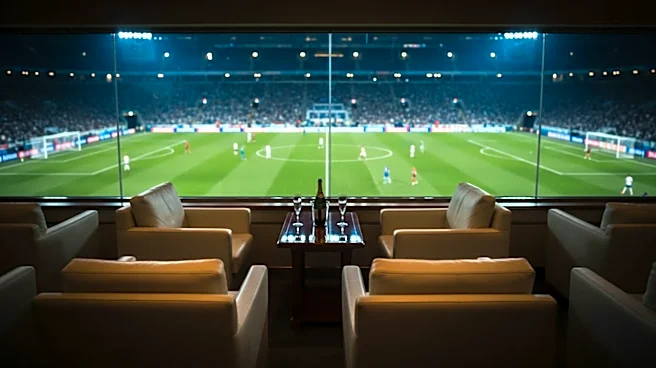
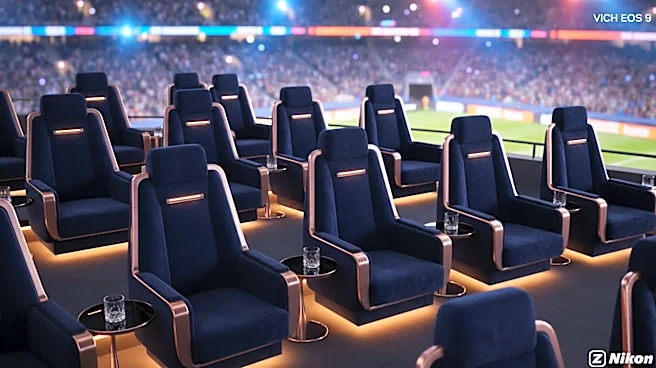
The headline isn't just about attendance; it’s about seating. Where a celebrity sits is rarely a coincidence. It is a meticulously calculated decision. Front-row courtside seats at NBA games, known as 'Celebrity Row,' and the luxury suites at NFL stadiums are not just premium spots; they are curated television sets. Teams and leagues often provide these seats for free, understanding that a well-timed reaction shot from a famous face is invaluable promotion. These placements are orchestrated by agents, publicists, and dedicated team departments to maximize exposure. The location dictates their visibility to broadcast cameras, their proximity to other power players, and the brand message they send. Is the celebrity ‘one of the people’ in the stands, or are they insulated in a corporate suite? Every choice is part of the performance.
More Than Just a Famous Face
The trend goes deeper than just spectating. Celebrities are increasingly embedding themselves into the fabric of sports teams. The most visible example is Ryan Reynolds and Rob McElhenney’s ownership of Welsh soccer club Wrexham AFC. Their involvement, documented in a popular TV series, transformed a struggling team into a global brand, boosting tourism and local pride. This model demonstrates a new level of celebrity integration, moving from passive fan to active participant and owner. This shift signals a deeper convergence of sports and entertainment, where a celebrity's storytelling ability and social media reach are as valuable as a team's performance on the field.
The Inevitable Backlash
Of course, not everyone is thrilled. For every new fan brought in by a celebrity, there are long-time supporters who feel the game itself is being overshadowed. Some football fans openly complained about the amount of camera time dedicated to Taylor Swift, arguing it detracted from the on-field action. They see it as a shift from authentic sporting culture to a manufactured entertainment product, where the game becomes a backdrop for a reality show. The central tension is whether this celebrity synergy enhances the experience by bringing new energy and eyeballs, or dilutes it by prioritizing famous faces over the fans and players who form the heart of the sport.