




A Franchise of Forking Paths
Trying to watch the 'Halloween' movies in chronological order is a horror story in itself. The series is a labyrinth of narrative dead-ends and fresh starts. The original 1978 film spawned a direct sequel, 'Halloween II' (1981), which established Laurie
Strode as Michael Myers' sister. That timeline continued through three more films of diminishing returns, diving into cult mythology to explain Michael's evil. Then came 'Halloween H20' in 1998, which erased sequels 4, 5, and 6 to create a new reality where Laurie faked her death. If that wasn't enough, director Rob Zombie rebooted the entire universe with two films in 2007 and 2009. And most recently, David Gordon Green's trilogy, starting with 'Halloween' (2018), wiped the slate clean yet again, creating a direct sequel to the 1978 original and ignoring every other film made in the last 40 years. It's a continuity nightmare that would sink lesser franchises.
The Shape of Success
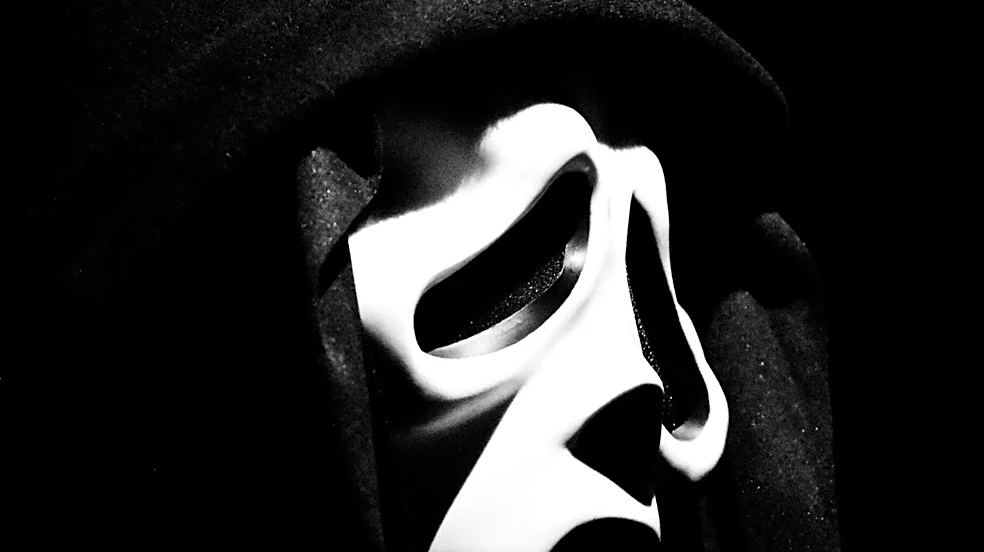
The secret to 'Halloween's' survival is that its appeal was never about the plot. It’s about the monster. Michael Myers, known simply as 'The Shape' in the original script, is pure, elemental evil. He isn't a character with complex motivations; he is a force of nature. John Carpenter’s original vision was terrifying because Michael's violence was random and inexplicable. He didn't need a backstory or a familial connection to be scary. Subsequent films tried to explain him—first with the sibling connection, then a druidic curse—but these additions were narrative clutter. The 2018 film's massive success, earning over $259 million on a $10 million budget, proved that audiences craved a return to that simplicity. They don’t come to see a story unfold; they come to watch the unstoppable boogeyman, a blank, white mask that reflects our own deepest fears.
The Enduring Final Girl
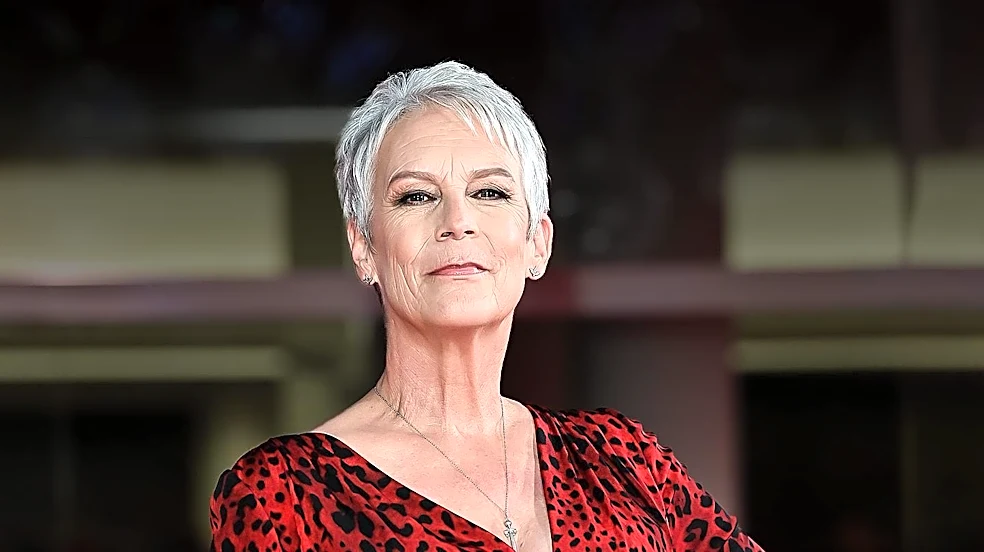
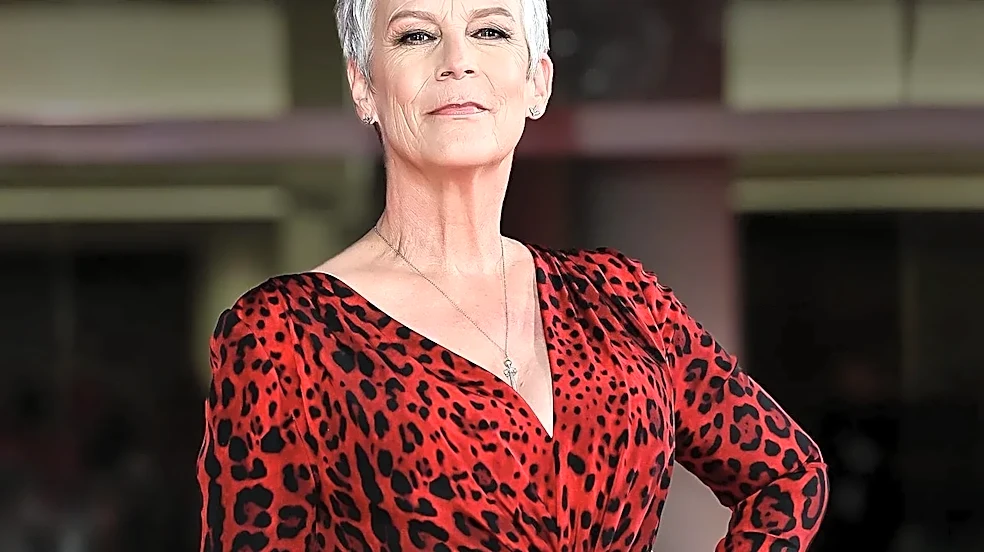
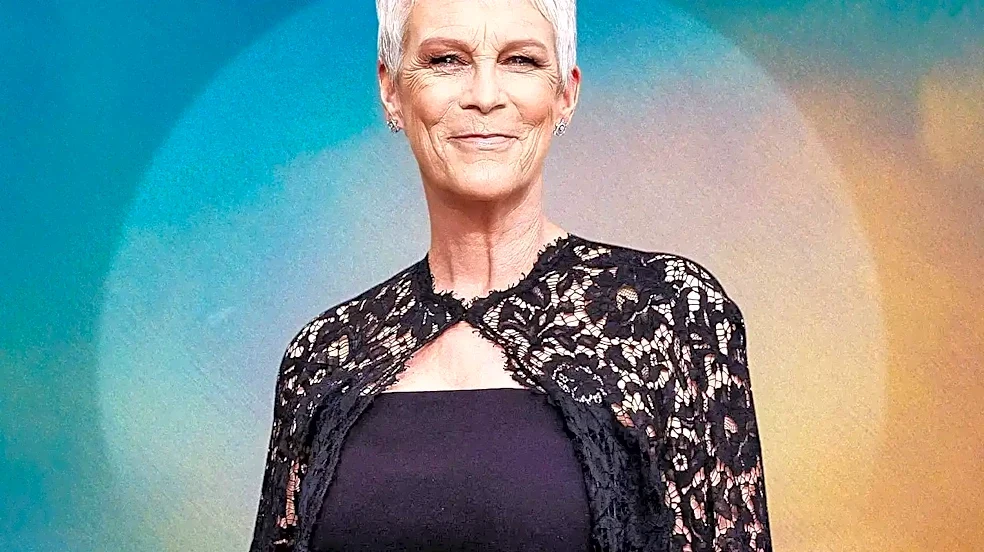
If Michael is the franchise's unmovable object, Laurie Strode is its irresistible force. Jamie Lee Curtis' return was the other key ingredient to the 2018 reboot's triumph. While other slashers cycled through protagonists, 'Halloween' always felt anchored by the epic rivalry between Michael and Laurie. Her transformation from resourceful teen to a paranoid, trauma-hardened survivalist in the new trilogy gave the story a powerful emotional core that had been missing for decades. It reframed the narrative from a simple slasher into a generational story about trauma and resilience. Fans didn't just want to see Michael kill; they wanted to see Laurie fight back. Her presence provides a human anchor in a sea of narrative resets, giving audiences a hero to root for against the faceless evil.
Nostalgia Is the Sharpest Knife
Ultimately, the franchise thrives because it delivers a specific, primal form of horror better than almost any other. The eerie synthesizer score, the quiet suburban streets, the slow-burn tension—it’s a formula that taps directly into a sense of nostalgic dread for millions. The latest trilogy, produced by the hit-making Blumhouse, understood this perfectly. They didn't reinvent the wheel; they just put a fresh, modern spin on the classic model. The confusing timelines don't alienate fans because each new iteration is a chance to relive the core experience: the boogeyman is back, and he's coming home. As long as that basic premise remains intact, with Michael Myers stalking the shadows of Haddonfield, the franchise's ticket-selling identity is as unkillable as The Shape himself.