



A Legacy of Rebellion
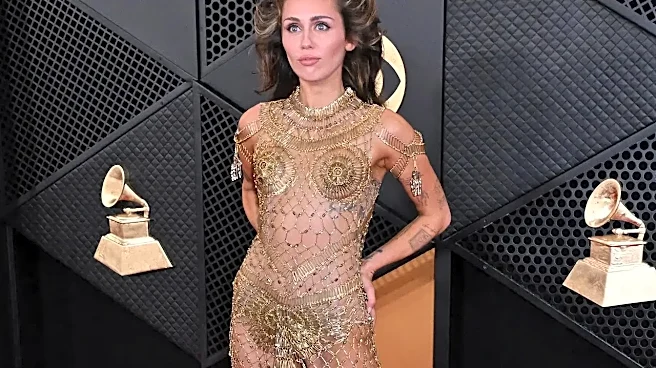
From its inception, the VMAs red carpet has been a stage for the provocative and the unpredictable. It’s where Madonna writhed in a wedding dress in 1984, where Rose McGowan wore a barely-there chainmail creation in 1998, and where Lady Gaga arrived in a dress made
of meat. This history of anarchy sets the tone. Unlike more formal events, where the goal is often timeless elegance, the VMA's unspoken dress code encourages risk. For a makeup artist or hairstylist, this is both a license and a challenge. Playing it safe is the fastest way to become irrelevant. The expectation is not just to be beautiful, but to be memorable, controversial, and to create a moment that gets people talking the next day. This rebellious spirit means beauty choices—like Gwen Stefani's face jewels or Lil' Kim's matching purple wig and pasty—aren't just accessories; they are central to the statement.
The Artist as the Art
Actors on a red carpet are often promoting a film, a character separate from themselves. Musicians at the VMAs are promoting their own brand, their current musical era, and their artistic identity. The beauty look becomes a critical piece of that storytelling. Think of Taylor Swift’s glittering Oscar de la Renta dress and bold red lip in 2022, signaling a return to unapologetic glamour, or Miley Cyrus debuting her short hair and shedding her Disney past in 2012. The hair and makeup are extensions of the album aesthetic, a visual summary of the music. A glam squad for the VMAs isn't just applying lipstick; they are helping craft a chapter in an artist's public narrative. This makes the collaboration intensely personal and creatively demanding, as the look must authentically reflect the artist's message at that exact moment.
The Triple-Threat Gauntlet
A VMA beauty look has to survive a triathlon of public appearances in a single night. First, it must stun on the red carpet under the harsh glare of flashbulbs. Then, it often has to endure a high-energy, sweat-inducing performance on stage, like Britney Spears with her boa constrictor in 2001. Finally, it needs to look flawless for the rest of the evening, whether the artist is accepting an award, posing for photos in the audience, or heading to an after-party. This requires immense technical skill and strategic product choice. The look can't just be artistic; it has to be bulletproof. Stylists must consider longevity, movement, and how the makeup and hair will read under shifting stage lights versus daylight. It's a performance of durability as much as creativity.
Built for the Social Media Breakdown
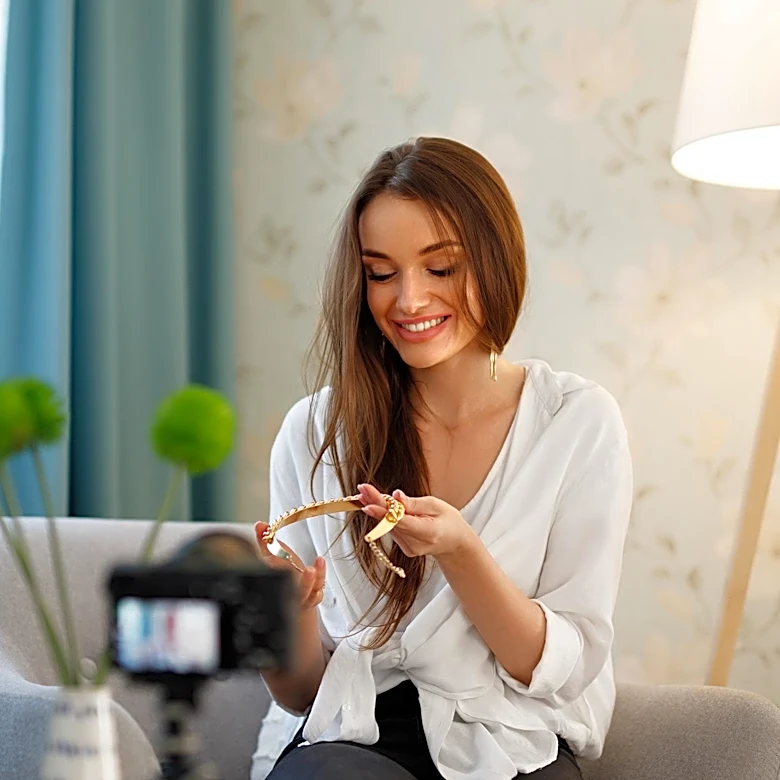
In the age of Instagram and TikTok, the VMA red carpet has a massive, secondary audience that dissects every detail. The event has even become a platform for influencers, who are invited to generate social buzz for a younger demographic. A look is no longer just a wide shot on television; it’s a high-resolution gallery on Vogue, a viral TikTok tutorial, and a tagged product list on a makeup artist's Instagram story. This digital afterlife has fundamentally changed the game. Beauty teams now strategize for the close-up, knowing that every detail—from a perfectly placed rhinestone to an innovative graphic liner—will be screenshotted and analyzed. The 'beauty breakdown,' revealing the exact products used, is now a standard part of the post-show PR cycle, turning a single red carpet look into days of content and consumer interest.