
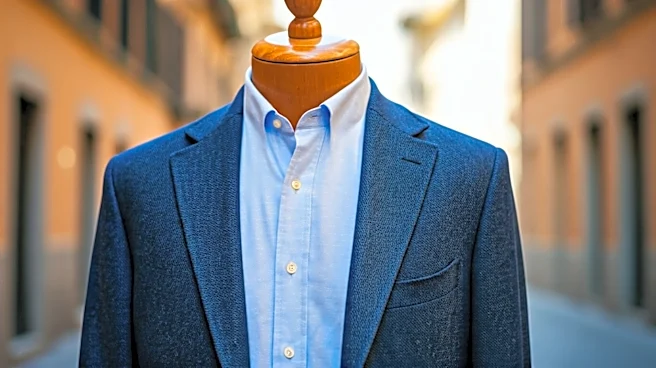


The Stage: Pitti Uomo
First, let’s set the scene. Pitti Uomo is, at its core, a menswear trade show. It’s where brands and designers showcase their upcoming collections to buyers and the press. But over the last two decades, the scene outside the exhibition halls has become
an event in itself. The world’s best-dressed men—editors, buyers, models, and influencers—gather, creating an unparalleled spectacle of street style. This gathering in the Fortezza da Basso is a living, breathing laboratory for men’s fashion, where trends are born, celebrated, and sometimes, mercilessly parodied.
The Concept: A Studied Carelessness
This brings us to *sprezzatura*. The term was coined in the 16th century by Baldassare Castiglione in *The Book of the Courtier*. He defined it as “a certain nonchalance, so as to conceal all art and make whatever one does or says appear to be without effort and almost without any thought about it.” In fashion, it’s the art of looking perfect by embracing imperfection. Think of a flawlessly tailored suit worn with a tie knot that’s just a little askew. Or the cuff buttons of a jacket left nonchalantly undone. It’s not about being sloppy; it’s about a deep understanding of the rules of style, executed with enough confidence to bend them. It’s styling that looks and feels like second nature, not a formula.
The Problem: The Rise of the 'Pitti Peacock'
Here's where the line gets blurry. As Pitti Uomo’s street style fame grew, so did the phenomenon of the “Pitti Peacock”—men who dress in increasingly loud, extravagant, and meticulously constructed outfits purely to get noticed by photographers. Their looks are often technically impressive but emotionally vacant. They are wearing a costume. Every detail is screamed, not suggested. The pocket square matches the socks which match the hat lining in a way that feels pre-packaged and desperate for validation. This isn’t an expression of personal style; it's a performance for an audience, a uniform for the social media age. It’s the opposite of sprezzatura, which whispers its confidence rather than shouting for attention.
Decoding the Unspoken Rules
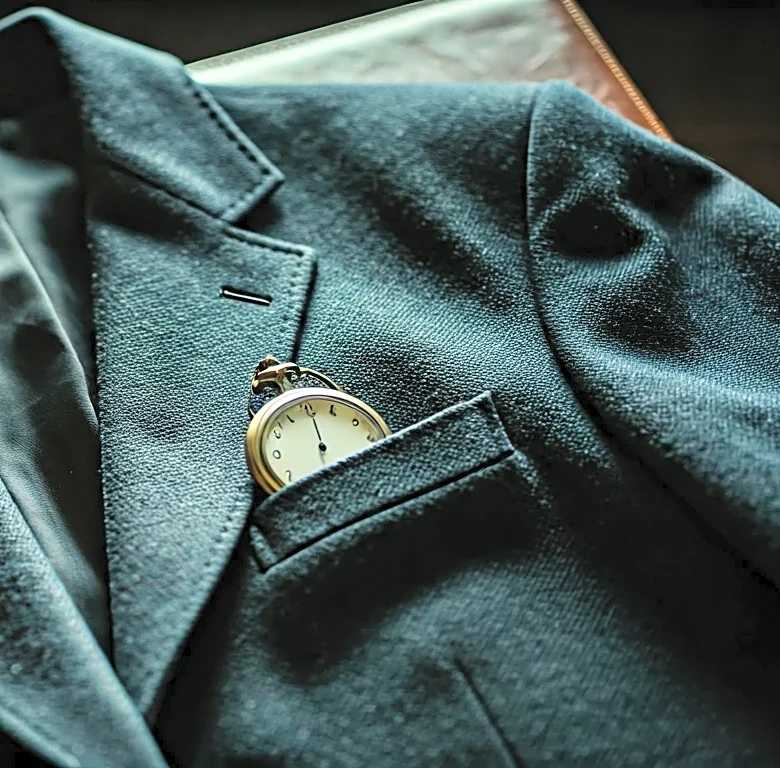
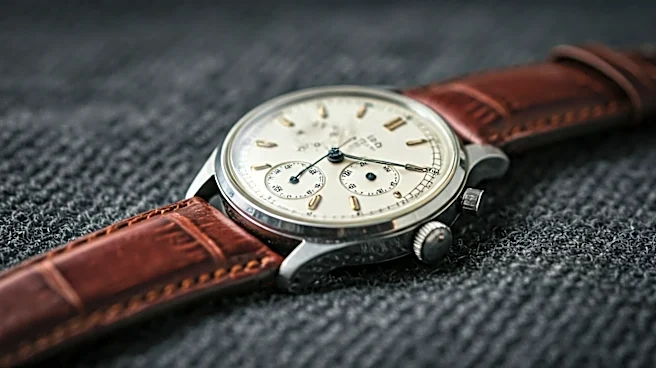
The “sprezzatura codes” aren’t a checklist but a philosophy. The first code is comfort—not just physical, but psychological. The man who embodies sprezzatura looks at ease in his clothes because they are an extension of him, not a character he’s playing. The second is an appreciation for quality and history, wearing well-made garments that have a story, perhaps even showing a bit of elegant wear. The third, and most crucial, is intentional imperfection. It’s the single detail that subverts the perfection of the rest of the outfit. This could be a watch worn over a shirt cuff, a collar popped with casual disregard, or mismatched socks that only you know about. It signals that the wearer is in command of his clothes, not the other way around. It’s the human touch that turns an outfit into style.
Why This Distinction Matters
In a world saturated with fleeting trends and algorithm-driven aesthetics, the idea of sprezzatura is more important than ever. It champions individuality over mimicry. It reminds us that true style is a dialogue between you and your clothes, not a monologue delivered for likes and shares. The Pitti Peacock dresses for the camera, conforming to a loud, peacocking ideal. The man practicing sprezzatura dresses for himself. The former is about seeking external approval, while the latter is an act of internal confidence. This distinction separates enduring style—something that is timeless, personal, and authentic—from fashion, which is by its nature ephemeral and often theatrical.