




The Comfort-Watch Coven
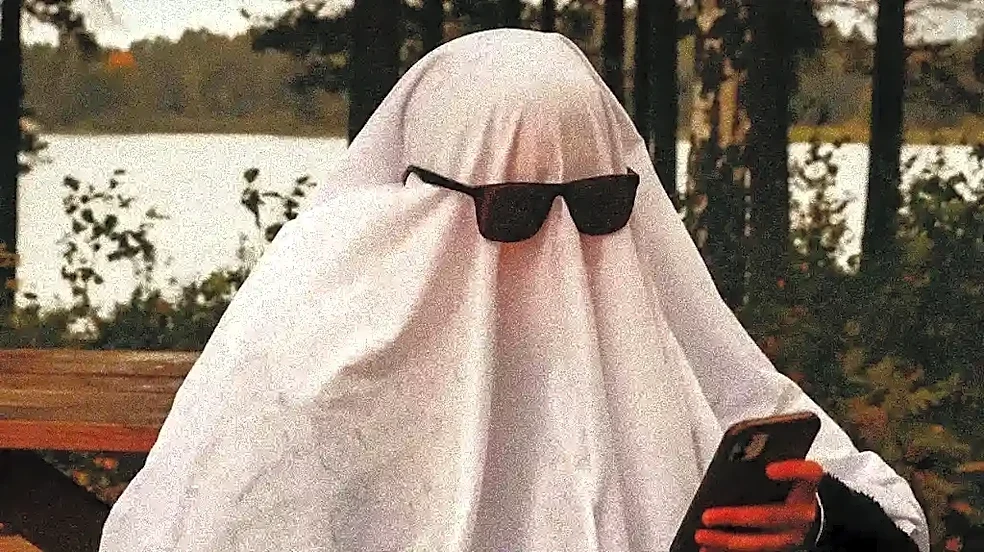
For many of us, the journey began with worn-out VHS tapes and the Disney Channel Original Movie logo. Films like 'Halloweentown', 'Hocus Pocus', and 'Casper' weren't really about being scared; they were about the feeling of Halloween. These movies were our introduction
to the season's aesthetic—witches, ghosts, and bubbling potions—but presented as whimsical adventures. The stakes were low, the scares were gentle, and the worlds were places you wanted to visit. Marnie Piper discovering her magical heritage in 'Halloweentown' or Max Dennison lighting the Black Flame Candle were formative moments. They established a baseline for seasonal viewing that equated Halloween with nostalgia, community, and the cozy thrill of a story where good always triumphs before the credits roll. This was horror with training wheels, designed to be watched in pajamas while sorting through a plastic pumpkin full of candy.
The Gateway to True Terror
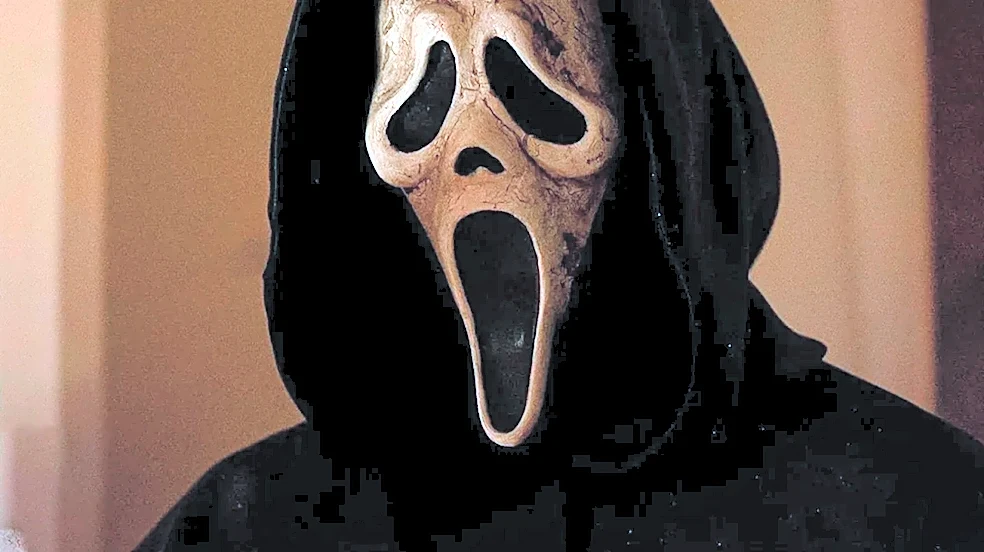
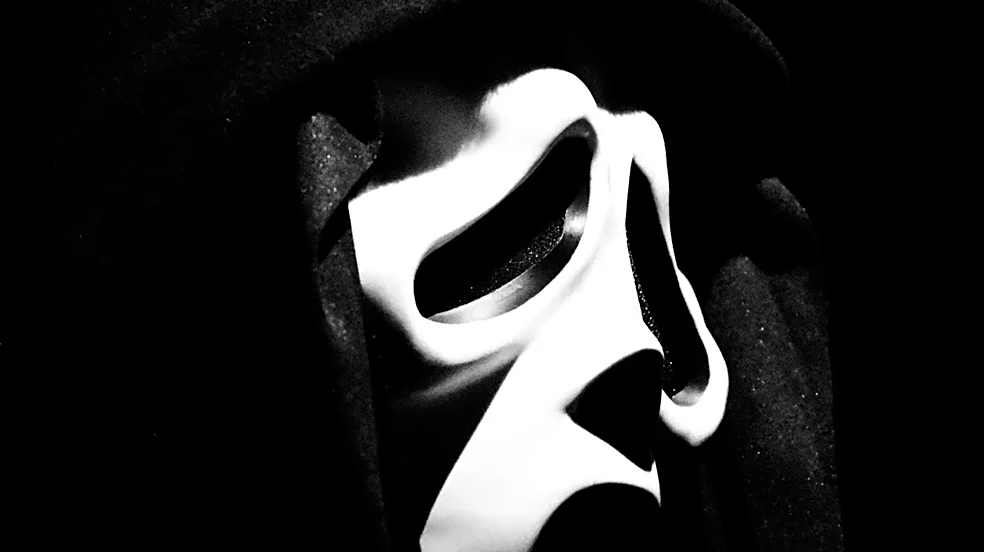
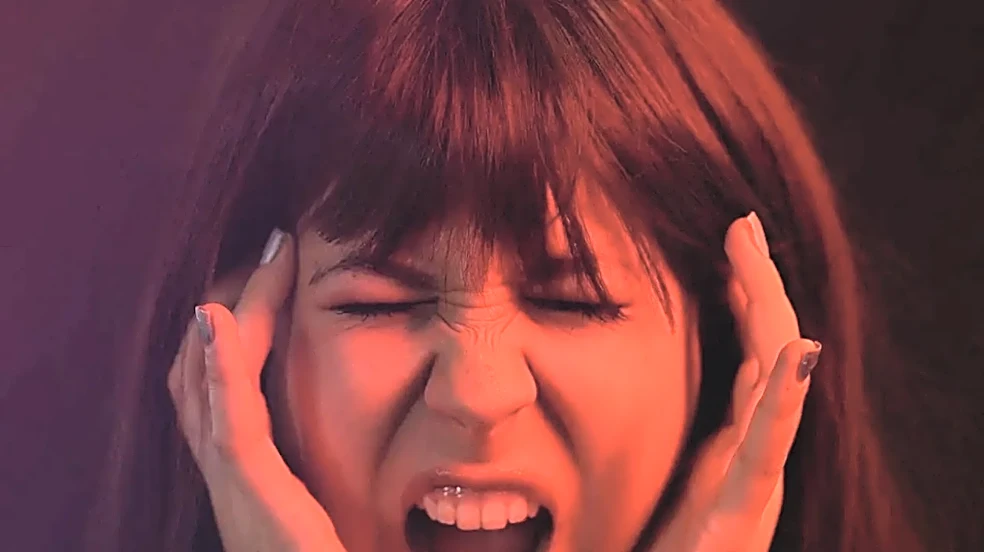
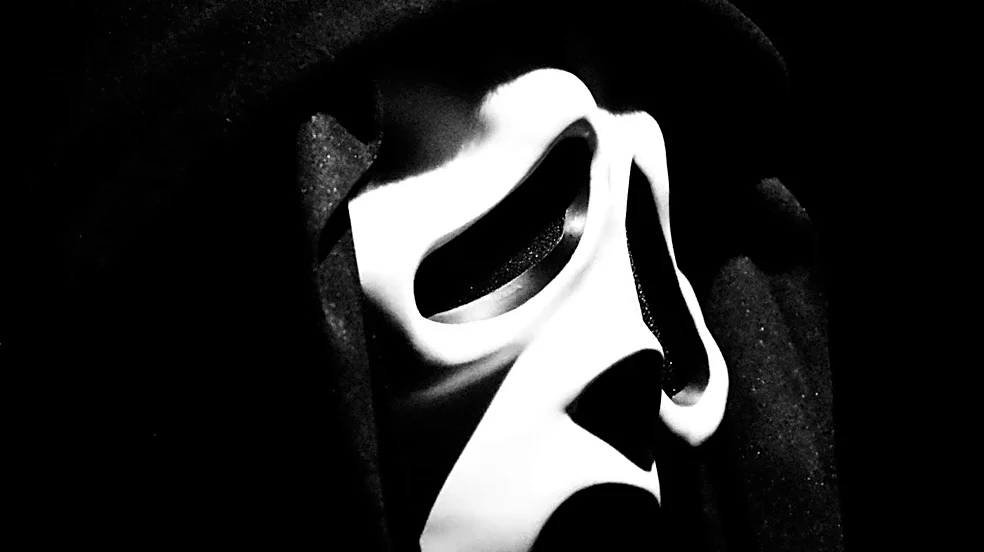
Then came adolescence, and with it, a new cinematic rite of passage: the 'gateway' horror movie. Suddenly, watching 'Hocus Pocus' felt juvenile. The goal was no longer comfort, but testing your limits, often in a social setting like a sleepover or a first date. This era was defined by the jump scare and the slasher. Wes Craven's 'Scream' was a masterclass in this, deconstructing the genre while still delivering genuine frights. Watching Ghostface torment Sidney Prescott was a communal experience, a mix of genuine fear and the performative bravery of shouting at the screen. Other films like 'The Ring' or 'The Blair Witch Project' introduced a more psychological element, leaving lingering unease that followed you home. This was horror as a social currency and a badge of honor. You weren't just watching a movie; you were proving you could handle it, graduating from the kid-friendly spooky stories to the ones that adults talked about in hushed tones.
Graduating to 'Elevated' Dread
At some point, the jump scares began to feel cheap. The slasher formulas became predictable. As our own lives grew more complex, so did our appetite for horror that reflected it. Enter the era of what critics have dubbed 'elevated horror', a wave of films more interested in getting under your skin than making you jump out of your seat. A24 became a key player, releasing films like 'Hereditary', 'The Witch', and 'Midsommar'. These movies aren't just scary; they're deeply unsettling explorations of grief, trauma, and faith. 'Hereditary', for example, uses its supernatural elements to amplify a raw, terrifying portrait of a family disintegrating from inherited trauma. The horror here isn't a monster in the closet; it's the dawning realization of an inescapable, grim reality. Watching these films is a more solitary, contemplative act. The thrill comes not from a sudden shock, but from the slow-burn dread and the profound, often disturbing, ideas they leave behind.
The Full-Circle Film Festival
But growing up doesn't mean leaving the past behind entirely. The mature Halloween watchlist isn't a replacement of the old; it's an expansion. True mastery of the seasonal queue is recognizing that different moods call for different movies. You might spend a Friday night grappling with the existential bleakness of an Ari Aster film, only to spend Sunday afternoon rewatching 'The Addams Family' for its gothic charm and witty one-liners. Maturity brings an appreciation for the full spectrum of the genre. The 'Halloweentown' marathon becomes a comforting ritual shared with a new generation, while 'Hereditary' remains a private, potent experience. We learn that a movie's value isn't just in its ability to terrify, but also in its power to evoke nostalgia, laughter, or a simple, seasonal coziness. The watchlist grows with us, accommodating our changing relationship with fear while making room for the comforting ghosts of Halloweens past.