
It’s About the Song, Not the Spectacle
At its core, Americana is a storytelling genre. It pulls from the deep wells of folk, country, and blues to tell honest stories about real life. Whether it’s a sprawling narrative from Jason Isbell or a quiet confession from Brandi Carlile, the song itself
is the main event. A rapid-fire editing style, with its constant cuts between different angles, disrupts this narrative flow. It prioritizes visual rhythm over lyrical and emotional substance. A longer, more patient camera take, however, allows the story to breathe. It invites the viewer to settle in and listen, to catch the subtle shifts in a singer’s expression as they deliver a pivotal line. By holding a shot, a director shows confidence in the performance itself, signaling to the audience that the song, in its unadorned honesty, is more than enough.
Letting the Musicians Breathe
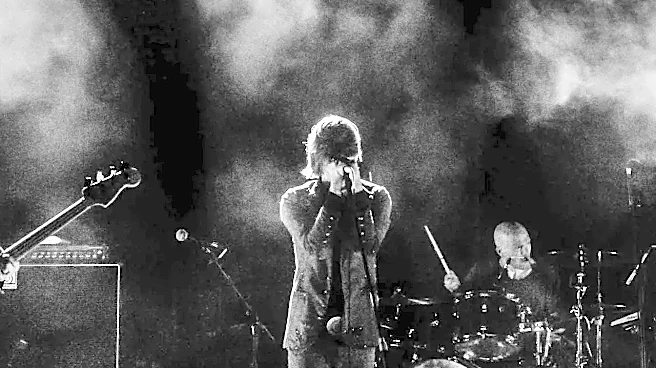
Beyond the lead vocalist, Americana is often defined by the remarkable interplay between musicians. It’s the telepathic nod between a guitarist and a fiddle player, the way a rhythm section locks into a groove, or the spontaneous harmonies that bloom on stage. This is the live “conversation” that fans cherish. Quick cuts chop this conversation into incoherent fragments. You might see a close-up of fingers on a fretboard, then a flash of the drummer, then a wide shot of the stage, but you miss the holistic magic of the band functioning as a single entity. The legendary PBS show Austin City Limits built its reputation on a more observational style, often letting its cameras linger on performers for longer than other shows. This approach allows the viewer to appreciate not just the individual skill, but the collective chemistry that makes a performance special.
Building an Honest Connection
Authenticity is the currency of Americana music. The genre thrives on a sense of rawness and reality, a feeling that you’re getting something genuine and unpolished. The way a performance is filmed can either support or undermine this feeling. Hyperactive editing, a hallmark of slickly produced pop shows, can feel artificial and manipulative. It screams “production” and creates a barrier between the artist and the viewer. In contrast, a long, uninterrupted shot feels more honest. It mirrors the experience of being in the room, where you can let your own eyes wander across the stage. There’s an intimacy in this style, a sense that you are a witness to a real moment as it unfolds, rather than being force-fed a pre-packaged version of it.
You're in the Room, Not Watching a Music Video
The goal of filming a live performance shouldn't be to replicate a music video. A music video is a constructed piece of art; a live show is an event. When a director uses fewer cuts, they empower the viewer. Instead of having your attention dictated every two seconds, you are given the freedom to look where you want within the frame. You can focus on the singer, watch the bass player, or just soak in the atmosphere of the stage. This style respects the viewer's intelligence and their desire to have an experience that feels personal and unmediated. It transforms the viewing from a passive act to an active one, making you feel less like a remote consumer and more like a member of the audience, present for a unique and unrepeatable performance.