



The Allure of the 'Good Deal'
We've all been there. You're browsing online or walking through a department store and see a stylish coat for $150. It looks good enough on the rack, it fits the current trend, and the price feels like a guilt-free win. You buy it, wear it for a season
or two, and then it starts to pill, the lining tears, or the silhouette just feels… dated. So you replace it with another 'good deal.' This cycle of disposable fashion feels thrifty, but it’s often a financial illusion. The real cost isn’t just the initial price; it’s the constant replacement, the cluttered closet, and the nagging feeling that you never have the *right* thing to wear. This is where a different kind of math comes into play, one that the most stylish people have understood for generations.
Defining 'Cost-Per-Wear'
Cost-per-wear (CPW) is a simple but powerful formula: take the total price of a garment and divide it by the number of times you realistically expect to wear it. The result is the true cost of that item each time you pull it out of the closet. Suddenly, the math starts to look very different. That $150 fast-fashion coat worn 30 times over two years before it’s retired has a CPW of $5.00. It’s not terrible, but it's not free, either. Now, consider a classic, Milan-inspired wool topcoat. Let's say it costs $900. The price is intimidating, but its timeless design, durable wool fabric, and quality construction mean you won't just wear it for two seasons; you'll wear it for the next ten or fifteen years. If you wear that coat 30 times each winter for a decade (a conservative estimate), that's 300 wears. The CPW of your 'expensive' coat is now just $3.00. Suddenly, the splurge looks like the smarter investment.
Anatomy of an Investment Coat
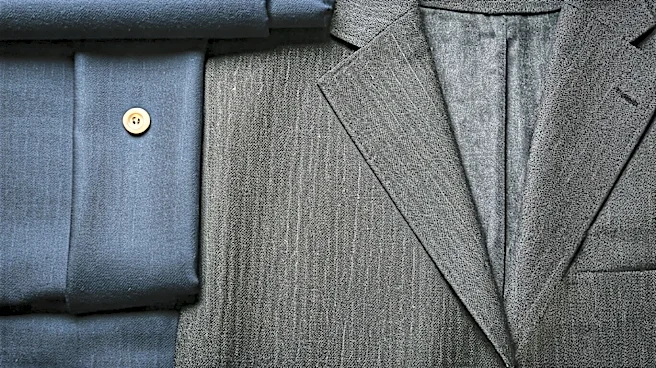
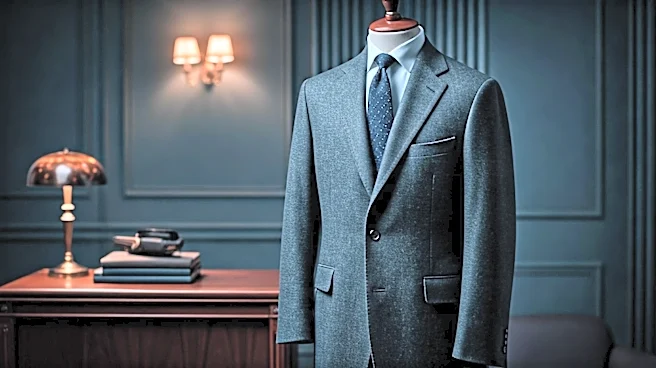
This logic doesn't apply to every expensive item. It works best for classic, versatile, and high-quality pieces—and a wool topcoat is the poster child. What makes it a prime candidate? First, the design is timeless. A well-cut, single-breasted overcoat in navy, charcoal, or camel will look as good in 2034 as it does today. The 'Milan-inspired' part of the equation points to a certain streamlined elegance—a cut that’s sharp but not restrictive, modern but rooted in classic tailoring. Second, the material. Quality wool or a wool-cashmere blend is exceptionally durable, naturally weather-resistant, and regulates temperature beautifully. Unlike cheaper synthetics, it resists pilling and holds its shape for years. Finally, construction matters. An investment coat features strong stitching, a quality lining, and often a canvassed structure that helps it mold to your body over time, only getting better with age.
Beyond the Purely Financial
The case for an investment coat isn't just about spreadsheets and long-term savings. It’s also about how it makes you feel. There's a quiet confidence that comes from putting on a garment that fits perfectly and is made from beautiful materials. It elevates everything else you're wearing, whether it's a suit, or just jeans and a sweater. It simplifies your life; instead of having three 'okay' coats, you have one exceptional one that works for almost any occasion. It's also a more sustainable approach to style. By buying one piece intended to last a decade instead of five pieces designed to last two years each, you’re reducing consumption and waste. You’re opting out of the trend cycle and choosing to build a permanent, personal style.