


World-Building Is the Main Character
When you tune into a show like HBO’s A Knight of the Seven Kingdoms or Prime Video's latest season of Fallout, you’re not just watching actors on a set; you’re being transported to another reality. That reality is meticulously constructed, piece by piece,
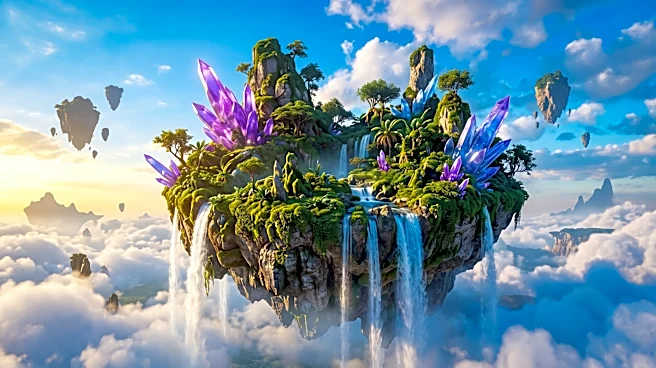
by production designers. These artists don't just build sets; they build worlds. The grimy, retro-futuristic decay of a Vegas vault in Fallout or the precise architectural lineage of a Targaryen throne room tells a story before a single line of dialogue is spoken. In modern fantasy and sci-fi, the environment is a character in its own right, shaping the narrative, influencing the characters, and immersing the audience in a way that a contemporary drama rarely has to. Yet, these monumental achievements are honored at the Creative Arts Emmys, a ceremony often held a week before the main telecast and edited down to a brief highlights package, if it's shown at all.
Costumes That Tell the Whole Story
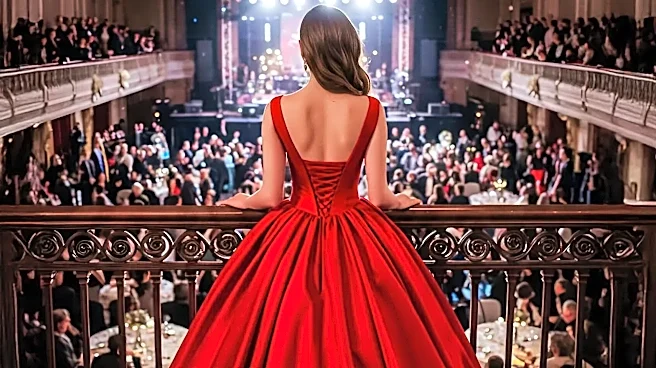
Nowhere is character development more visible than in a show’s costuming. While the crisp suits of a corporate drama are sharp, they can't compare to the narrative weight woven into the fabrics of fantasy. A character’s journey from a naive villager to a powerful queen is charted in the evolution of her gowns—the changing colors, the weight of the material, the intricate embroidery telling tales of her heritage and her triumphs. Costume designers on fantasy epics are not just dressmakers; they are historians, sociologists, and storytellers. They create a visual language that communicates power, vulnerability, and cultural identity. The award for Outstanding Fantasy/Sci-Fi Costumes recognizes this incredible art form, but its relegation to the non-televised portion of the Emmys implies it’s a secondary, less-important achievement. This overlooks how crucial these designs are to making audiences believe in the unbelievable.
The Seamless Magic of Modern VFX
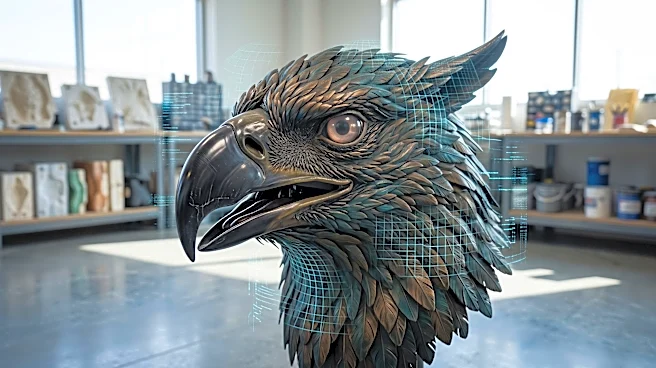
The term “special effects” often brings to mind explosive, showy spectacle. But in the best of today’s genre television, the most impressive visual effects are the ones you don’t even notice. It's the subtle aging of a dragon from one season to the next, the seamless integration of a CGI character into a gritty, real-world environment, or the photorealistic rendering of a distant planet’s landscape. The final season of Stranger Things, for instance, likely leaned heavily on its visual effects to bring its climactic moments to life. These are not just flashy additions; they are essential narrative tools. When the craft is this good, it doesn’t take you out of the story—it pulls you in deeper. Separating these awards from the main broadcast feels like a relic of a time when VFX were a novelty rather than a core component of prestige television.
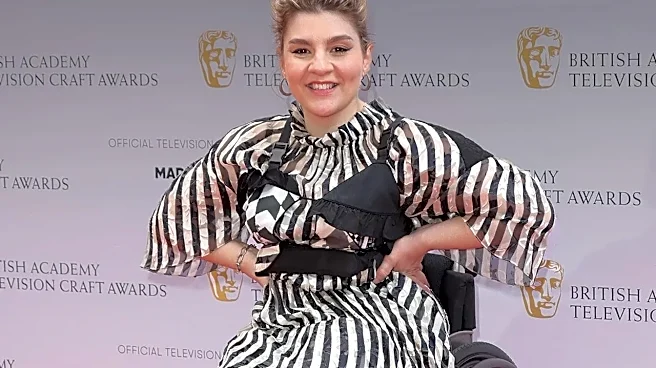
It's Time for a Primetime Promotion
The distinction between the Creative Arts Emmys and the Primetime Emmys was born of practicality, but it has created a cultural hierarchy. The main show is for the stars—the actors, the writers, the directors—while the craft awards are for the “technicians.” This is an outdated model. In an era where fantasy and sci-fi dominate not just the box office but the cultural conversation, the artists who design the costumes, build the worlds, and create the effects are as integral to a show's success as its lead actor. Their work is not just technical; it is fundamentally artistic and essential to the storytelling. By continuing to sideline these categories, the Television Academy sends a message that the most popular and boundary-pushing shows on television are somehow less prestigious than their more traditional counterparts.